SOLDES
Jusqu'à -70% sur une sélection d'articles*

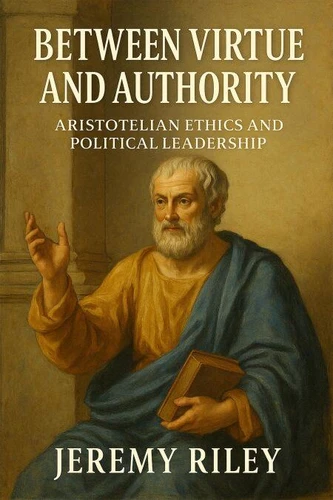
Between Virtue and Authority: Aristotelian Ethics and Political Leadership
Par :Formats :
Disponible dans votre compte client Decitre ou Furet du Nord dès validation de votre commande. Le format ePub est :
- Compatible avec une lecture sur My Vivlio (smartphone, tablette, ordinateur)
- Compatible avec une lecture sur liseuses Vivlio
- Pour les liseuses autres que Vivlio, vous devez utiliser le logiciel Adobe Digital Edition. Non compatible avec la lecture sur les liseuses Kindle, Remarkable et Sony
 , qui est-ce ?
Notre partenaire de plateforme de lecture numérique où vous retrouverez l'ensemble de vos ebooks gratuitement
Pour en savoir plus sur nos ebooks, consultez notre aide en ligne ici
C'est si simple ! Lisez votre ebook avec l'app Vivlio sur votre tablette, mobile ou ordinateur :

- FormatePub
- ISBN8227580337
- EAN9798227580337
- Date de parution20/04/2025
- Protection num.pas de protection
- Infos supplémentairesepub
- ÉditeurBig Dog Books, LLC
Résumé
"Between Virtue and Authority: Aristotelian Ethics and Political Leadership" by Jeremy Riley explores the intricate relationship between Aristotle's philosophy of virtue ethics and his views on political leadership. The book delves into how Aristotle's ethical concepts of virtue, practical wisdom, and justice inform the nature of effective and just leadership in both personal and political realms.
Drawing from the Nicomachean Ethics and Politics, Riley examines Aristotle's assertion that the ultimate goal of both individual life and the state is to achieve eudaimonia (human flourishing) through the cultivation of virtue. This work analyzes the role of the ruler, the importance of balanced leadership, and the relationship between ethical governance and political authority. Riley offers a critical look at how Aristotelian principles can help modern leaders navigate the challenges of power, governance, and justice, while emphasizing that true leadership is based on moral integrity rather than personal ambition.
By placing Aristotle's ideas in dialogue with contemporary political theory, the book provides a thought-provoking examination of leadership that remains relevant to today's political climate, arguing that the best political leaders must embody virtue, possess practical wisdom, and always strive to serve the common good.
Drawing from the Nicomachean Ethics and Politics, Riley examines Aristotle's assertion that the ultimate goal of both individual life and the state is to achieve eudaimonia (human flourishing) through the cultivation of virtue. This work analyzes the role of the ruler, the importance of balanced leadership, and the relationship between ethical governance and political authority. Riley offers a critical look at how Aristotelian principles can help modern leaders navigate the challenges of power, governance, and justice, while emphasizing that true leadership is based on moral integrity rather than personal ambition.
By placing Aristotle's ideas in dialogue with contemporary political theory, the book provides a thought-provoking examination of leadership that remains relevant to today's political climate, arguing that the best political leaders must embody virtue, possess practical wisdom, and always strive to serve the common good.
A propos de Jeremy Riley

2,99 €