SOLDES
Jusqu'à -70% sur une sélection d'articles*

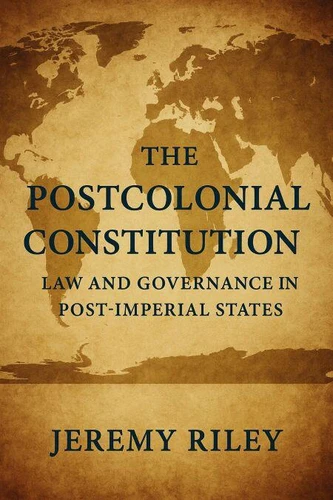
The Postcolonial Constitution: Law and Governance in Post-Imperial States
Par :Formats :
Disponible dans votre compte client Decitre ou Furet du Nord dès validation de votre commande. Le format ePub est :
- Compatible avec une lecture sur My Vivlio (smartphone, tablette, ordinateur)
- Compatible avec une lecture sur liseuses Vivlio
- Pour les liseuses autres que Vivlio, vous devez utiliser le logiciel Adobe Digital Edition. Non compatible avec la lecture sur les liseuses Kindle, Remarkable et Sony
 , qui est-ce ?
Notre partenaire de plateforme de lecture numérique où vous retrouverez l'ensemble de vos ebooks gratuitement
Pour en savoir plus sur nos ebooks, consultez notre aide en ligne ici
C'est si simple ! Lisez votre ebook avec l'app Vivlio sur votre tablette, mobile ou ordinateur :

- FormatePub
- ISBN8230754596
- EAN9798230754596
- Date de parution20/04/2025
- Protection num.pas de protection
- Infos supplémentairesepub
- ÉditeurIndependently Published
Résumé
"The Postcolonial Constitution: Law and Governance in Post-Imperial States" by Jeremy Riley offers a comprehensive exploration of how newly independent nations navigated the complexities of constitution-building after the end of colonial rule. This book examines the delicate balance between embracing newly forged national identities and addressing the legacies of colonial legal systems that shaped governance in post-imperial states.
Through detailed case studies of former British, French, and other colonial powers' territories, it delves into the constitutional challenges faced by countries in Africa, Asia, Latin America, and the Middle East. Riley critically examines how various postcolonial states attempted to craft constitutions that reflected their diverse political, social, and cultural aspirations, while struggling with the remnants of colonialism-ranging from ethnic divisions and authoritarian legacies to economic dependency and legal traditions inherited from their former colonizers.
The book addresses pivotal moments of constitutional change, military interventions, and attempts at modernization, showing how constitutions became both instruments of liberation and tools for consolidating power. As globalization reshapes the world order, the book also discusses how postcolonial constitutions adapted to the pressures of international law, economic globalization, and the demands of democratic governance.
Through the lens of constitutional law, The Postcolonial Constitution offers a nuanced perspective on the ongoing evolution of law and governance in the post-imperial era, tracing the trajectory of the postcolonial state's quest for true sovereignty and equality.
Through detailed case studies of former British, French, and other colonial powers' territories, it delves into the constitutional challenges faced by countries in Africa, Asia, Latin America, and the Middle East. Riley critically examines how various postcolonial states attempted to craft constitutions that reflected their diverse political, social, and cultural aspirations, while struggling with the remnants of colonialism-ranging from ethnic divisions and authoritarian legacies to economic dependency and legal traditions inherited from their former colonizers.
The book addresses pivotal moments of constitutional change, military interventions, and attempts at modernization, showing how constitutions became both instruments of liberation and tools for consolidating power. As globalization reshapes the world order, the book also discusses how postcolonial constitutions adapted to the pressures of international law, economic globalization, and the demands of democratic governance.
Through the lens of constitutional law, The Postcolonial Constitution offers a nuanced perspective on the ongoing evolution of law and governance in the post-imperial era, tracing the trajectory of the postcolonial state's quest for true sovereignty and equality.
A propos de Jeremy Riley


2,99 €