
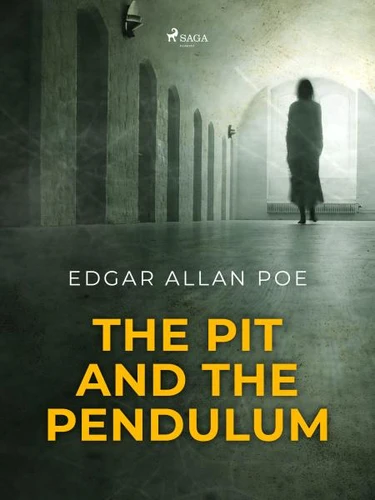
Edgar Poe (1809-1849) commence à écrire en 1829. Considéré comme un poète maudit, ses écrits cauchemardesques et fantastiques sont aujourd'hui considérés comme précurseurs du surréalisme. C'est grâce aux traductions de Charles Baudelaire qu'il est connu en France.
The Pit and the Pendulum
Par :Formats :
Disponible dans votre compte client Decitre ou Furet du Nord dès validation de votre commande. Le format ePub est :
- Compatible avec une lecture sur My Vivlio (smartphone, tablette, ordinateur)
- Compatible avec une lecture sur liseuses Vivlio
- Pour les liseuses autres que Vivlio, vous devez utiliser le logiciel Adobe Digital Edition. Non compatible avec la lecture sur les liseuses Kindle, Remarkable et Sony
 , qui est-ce ?
Notre partenaire de plateforme de lecture numérique où vous retrouverez l'ensemble de vos ebooks gratuitement
Pour en savoir plus sur nos ebooks, consultez notre aide en ligne ici
C'est si simple ! Lisez votre ebook avec l'app Vivlio sur votre tablette, mobile ou ordinateur :

- Nombre de pages7
- FormatePub
- ISBN978-87-26-58692-3
- EAN9788726586923
- Date de parution26/08/2020
- Protection num.Digital Watermarking
- Taille215 Ko
- Infos supplémentairesepub
- ÉditeurSAGA Egmont
Résumé
It is almost impossible to escape the Spanish Inquisition alive. However, Edgar Allan Poe's unnamed narrator, after suffering innumerable tortures upon his body and soul in the hands of his tormenters, sees the light of the day at the very end of his sanity's tether. Even despite the lack of supernatural elements, "The Pit and the Pendulum" (1842) has enjoyed and influenced several notable movie adaptations.
Animations such as The "Flinstones", TV series like "Crime Scene Investigation", to films like Roger Corman's "The Pit and the Pendulum" (1961), starring Vincent Price and some torture methods found in the "Saw" franchise, the story's famous pendulum scene is a rather fruitful source of inspirations. Yet, despite the terrific torments, the story focuses primarily on how terror is implicitly depicted through the workings of the mind.
Animations such as The "Flinstones", TV series like "Crime Scene Investigation", to films like Roger Corman's "The Pit and the Pendulum" (1961), starring Vincent Price and some torture methods found in the "Saw" franchise, the story's famous pendulum scene is a rather fruitful source of inspirations. Yet, despite the terrific torments, the story focuses primarily on how terror is implicitly depicted through the workings of the mind.
A propos de Edgar Allan Poe
4.2/5
4.2/5
18,00 €
2/5
7,99 €
2/5
2,70 €
5/5
3.5/5
3,60 €
3,95 €
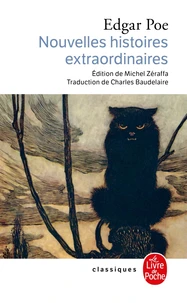
4.2/5
4.2/5
4,20 €
6,99 €
9,95 €
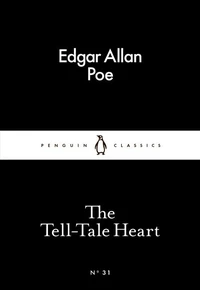
The tell-tale heart
E-book
1,49 €
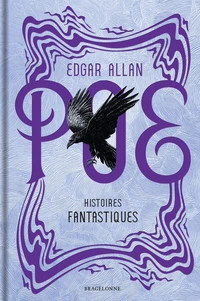
Histoires fantastiques
Grand Format
16,90 €
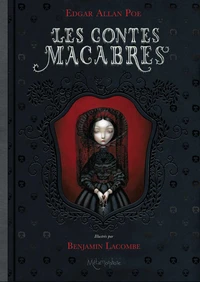
3.5/5
4.6/5
29,95 €