
Pete Cossaboon is a spiritual teacher, bestselling author, and guide devoted to helping others awaken their innate power through sacred wisdom, energy work, and soulful alignment. Drawing from a rich background in religious studies, metaphysics, and mystical traditions, he bridges the worlds of science and spirit with compassion and clarity. His work empowers seekers to remember who they truly are and live in resonance with their divine design.
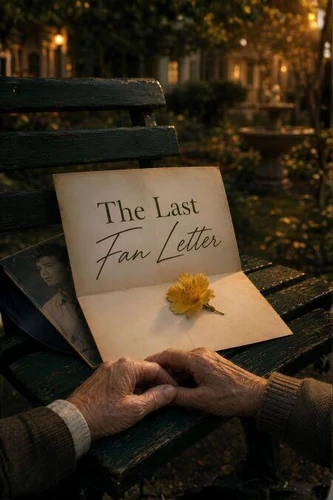
The Last Fan Letter
Par :Formats :
Disponible dans votre compte client Decitre ou Furet du Nord dès validation de votre commande. Le format ePub est :
- Compatible avec une lecture sur My Vivlio (smartphone, tablette, ordinateur)
- Compatible avec une lecture sur liseuses Vivlio
- Pour les liseuses autres que Vivlio, vous devez utiliser le logiciel Adobe Digital Edition. Non compatible avec la lecture sur les liseuses Kindle, Remarkable et Sony
 , qui est-ce ?
Notre partenaire de plateforme de lecture numérique où vous retrouverez l'ensemble de vos ebooks gratuitement
Pour en savoir plus sur nos ebooks, consultez notre aide en ligne ici
C'est si simple ! Lisez votre ebook avec l'app Vivlio sur votre tablette, mobile ou ordinateur :

- FormatePub
- ISBN8235682146
- EAN9798235682146
- Date de parution20/05/2026
- Protection num.pas de protection
- Infos supplémentairesepub
- ÉditeurIoakim Ioakim
Résumé
Thomas Avery thought desire had passed him by. At nearly eighty years old, he is a widower, a father, a grandfather, and a man who has only recently spoken aloud the truth he carried for most of his life. After the death of his beloved wife, Eleanor, Thomas finally told his children he was gay, expecting pain, confusion, perhaps even rejection. Instead, they told him what Eleanor had quietly known all along: that love is rarely simple, and silence is not always the same as absence.
Then Henry Vail arrives at Harbor House. Henry was once America's golden boy, a teen idol whose smile filled record sleeves, television screens, and the secret imagination of a frightened seventeen-year-old Thomas, who hid Henry's photograph inside a dictionary because he had no other safe place to put his longing. But the man who enters Harbor House is no longer the flawless image Thomas remembers.
He is older, difficult, proud, funny, wounded, and beginning to lose pieces of himself to vascular dementia. At first, Thomas can barely speak to him. Then one walk becomes another. A conversation becomes a ritual. A touch becomes a threshold. As Thomas comes to know the real Henry, the poster gives way to the man: the former star who spent his life performing heterosexual romance for Hollywood, the closeted actor who loved a man named Julian Ross and abandoned him to protect his career, the aging celebrity who must decide whether truth is still worth telling when the world has already spent decades loving the lie.
Their late-life romance is tender, awkward, funny, embodied, and deeply human. It unfolds not in glamour, but in the ordinary rooms of assisted living: dining tables, courtyard benches, half-open doors, medication schedules, weak coffee, staff interruptions, family visits, and the fragile privacy of two men learning how to love without translation. But love does not arrive outside of time. Thomas's heart is failing.
Henry's memory is slipping. Some mornings Henry knows Thomas immediately. Other days he asks for Julian, believes he is late for a studio call, or drifts into a past that was never allowed to heal. Thomas stays. He learns that love is not measured only by perfect recognition, and that devotion is not the same as martyrdom. It is presence. It is patience. It is the courage to sit beside someone in whichever life they find themselves.
Moving between Hollywood's closeted past and the intimate present of Harbor House, The Last Fan Letter is a sweeping, emotionally rich novel about fame, secrecy, queer survival, aging, grief, family, and the astonishing possibility of becoming fully known near the end of life. It asks what happens when the image that once helped a hidden boy survive becomes a real man, and what it means to love that man beyond fantasy, beyond shame, beyond the years both of them believed were lost.
For readers who love character-driven literary fiction, late-life romance, LGBTQ+ historical memory, and stories that hold tenderness and heartbreak in the same hand, The Last Fan Letter is a deeply moving testament to the truth that love arriving late does not count less. It counts with all the years inside it.
Then Henry Vail arrives at Harbor House. Henry was once America's golden boy, a teen idol whose smile filled record sleeves, television screens, and the secret imagination of a frightened seventeen-year-old Thomas, who hid Henry's photograph inside a dictionary because he had no other safe place to put his longing. But the man who enters Harbor House is no longer the flawless image Thomas remembers.
He is older, difficult, proud, funny, wounded, and beginning to lose pieces of himself to vascular dementia. At first, Thomas can barely speak to him. Then one walk becomes another. A conversation becomes a ritual. A touch becomes a threshold. As Thomas comes to know the real Henry, the poster gives way to the man: the former star who spent his life performing heterosexual romance for Hollywood, the closeted actor who loved a man named Julian Ross and abandoned him to protect his career, the aging celebrity who must decide whether truth is still worth telling when the world has already spent decades loving the lie.
Their late-life romance is tender, awkward, funny, embodied, and deeply human. It unfolds not in glamour, but in the ordinary rooms of assisted living: dining tables, courtyard benches, half-open doors, medication schedules, weak coffee, staff interruptions, family visits, and the fragile privacy of two men learning how to love without translation. But love does not arrive outside of time. Thomas's heart is failing.
Henry's memory is slipping. Some mornings Henry knows Thomas immediately. Other days he asks for Julian, believes he is late for a studio call, or drifts into a past that was never allowed to heal. Thomas stays. He learns that love is not measured only by perfect recognition, and that devotion is not the same as martyrdom. It is presence. It is patience. It is the courage to sit beside someone in whichever life they find themselves.
Moving between Hollywood's closeted past and the intimate present of Harbor House, The Last Fan Letter is a sweeping, emotionally rich novel about fame, secrecy, queer survival, aging, grief, family, and the astonishing possibility of becoming fully known near the end of life. It asks what happens when the image that once helped a hidden boy survive becomes a real man, and what it means to love that man beyond fantasy, beyond shame, beyond the years both of them believed were lost.
For readers who love character-driven literary fiction, late-life romance, LGBTQ+ historical memory, and stories that hold tenderness and heartbreak in the same hand, The Last Fan Letter is a deeply moving testament to the truth that love arriving late does not count less. It counts with all the years inside it.
A propos de Pete Cossaboon


Public Beach Access
E-book
3,99 €
3,99 €
3,99 €

Where the Earth Breaks
E-book
3,99 €
3,99 €

3,99 €

3,99 €

The Assassin’s Gentleman
E-book
3,99 €

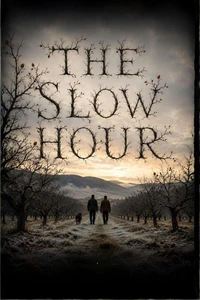
The Slow Hour
E-book
3,99 €

The Last Man At The Gym
E-book
3,99 €
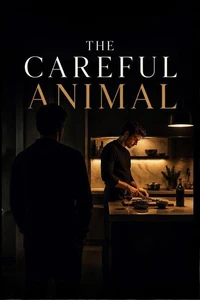
The Careful Animal
E-book
3,99 €
3,99 €

3,99 €

3,99 €