Dernière sortie
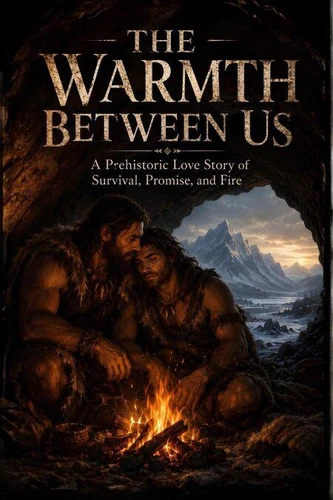
The Warmth Between Us: A Prehistoric Love Story of Survival, Promise, and Fire
Fifty-five thousand years ago, survival depends on strength, skill, fire, and the people willing to keep one another alive. Orr has always been one of the strongest men beneath the Long Wall. He is a hunter, a father, a tracker, and the kind of man others trust when the path turns dangerous. Tarek is different. He keeps the fire alive, repairs what breaks, gathers what others overlook, and notices danger before anyone else realizes it is there.
For years, his usefulness has made him necessary. It has never made him certain he is wanted. Then a hunt goes wrong. When Orr shatters his leg on a narrow limestone shelf, the injury is catastrophic. The group cannot remain through the coming winter, and carrying him across miles of broken ground may kill him. Faced with an impossible choice, Tarek refuses to leave. What begins as an act of survival becomes something neither man knows how to name.
Inside an abandoned rock shelter, winter reduces their world to fire, food, pain, and the distance between two bodies. Tarek must keep Orr alive through swelling, fever, hunger, bitter cold, failing embers, predators, and the humiliations of a body that can no longer do what it once did. Orr, who has always measured himself by strength, must learn to receive care without disappearing inside it. And Tarek must confront a more dangerous truth: he does not only want Orr to live.
He wants Orr. As the weeks pass, necessary touch becomes chosen touch. Care becomes trust. Trust becomes desire. Desire becomes a promise neither man knows whether the world outside their shelter will allow them to keep. But winter cannot last forever. When Orr finally begins to stand again, a new fear takes shape. If he can walk, he can return to his daughter, his brother, and his people. Tarek has spent a lifetime believing love must be earned through usefulness.
What happens when Orr no longer needs him?And when they return to the Long Wall, survival is no longer the only question. A small community facing hunger, death, and an uncertain future must decide what makes a family, what one person owes the group, and whether two men can choose each other without turning away from everyone else they love. Set approximately 55, 000 years ago in Neanderthal Iberia, THE WARMTH BETWEEN US is an intimate prehistoric love story about survival, disability, desire, belonging, and the quiet courage of being chosen when you can no longer prove your worth through strength.
Grounded in archaeology, paleogenetics, and modern medical understanding, the novel imagines a Neanderthal world beyond the old caricature of brutish cave dwellers. These are intelligent people who hunt cooperatively, read weather and animal movement, tend fire, work stone and wood, care for injured members of their community, raise children, grieve their dead, and depend upon one another to endure a changing world.
At its heart, this is not a story about one man rescuing another. It is about two men discovering that care can move in both directions. Orr must learn that a damaged body can still be wanted. Tarek must learn that love is not something he has to purchase with sacrifice. Both must discover whether being needed is the same as being chosen. For readers who love emotionally intense M/M romance, prehistoric fiction, survival stories, slow-burn intimacy, hurt/comfort, found family, disability representation, and deeply researched historical worlds.
Sometimes the person who keeps you alive becomes the person you choose to live for. And sometimes home is simply the fire beside the one who stayed.
For years, his usefulness has made him necessary. It has never made him certain he is wanted. Then a hunt goes wrong. When Orr shatters his leg on a narrow limestone shelf, the injury is catastrophic. The group cannot remain through the coming winter, and carrying him across miles of broken ground may kill him. Faced with an impossible choice, Tarek refuses to leave. What begins as an act of survival becomes something neither man knows how to name.
Inside an abandoned rock shelter, winter reduces their world to fire, food, pain, and the distance between two bodies. Tarek must keep Orr alive through swelling, fever, hunger, bitter cold, failing embers, predators, and the humiliations of a body that can no longer do what it once did. Orr, who has always measured himself by strength, must learn to receive care without disappearing inside it. And Tarek must confront a more dangerous truth: he does not only want Orr to live.
He wants Orr. As the weeks pass, necessary touch becomes chosen touch. Care becomes trust. Trust becomes desire. Desire becomes a promise neither man knows whether the world outside their shelter will allow them to keep. But winter cannot last forever. When Orr finally begins to stand again, a new fear takes shape. If he can walk, he can return to his daughter, his brother, and his people. Tarek has spent a lifetime believing love must be earned through usefulness.
What happens when Orr no longer needs him?And when they return to the Long Wall, survival is no longer the only question. A small community facing hunger, death, and an uncertain future must decide what makes a family, what one person owes the group, and whether two men can choose each other without turning away from everyone else they love. Set approximately 55, 000 years ago in Neanderthal Iberia, THE WARMTH BETWEEN US is an intimate prehistoric love story about survival, disability, desire, belonging, and the quiet courage of being chosen when you can no longer prove your worth through strength.
Grounded in archaeology, paleogenetics, and modern medical understanding, the novel imagines a Neanderthal world beyond the old caricature of brutish cave dwellers. These are intelligent people who hunt cooperatively, read weather and animal movement, tend fire, work stone and wood, care for injured members of their community, raise children, grieve their dead, and depend upon one another to endure a changing world.
At its heart, this is not a story about one man rescuing another. It is about two men discovering that care can move in both directions. Orr must learn that a damaged body can still be wanted. Tarek must learn that love is not something he has to purchase with sacrifice. Both must discover whether being needed is the same as being chosen. For readers who love emotionally intense M/M romance, prehistoric fiction, survival stories, slow-burn intimacy, hurt/comfort, found family, disability representation, and deeply researched historical worlds.
Sometimes the person who keeps you alive becomes the person you choose to live for. And sometimes home is simply the fire beside the one who stayed.
Les livres de Pete Cossaboon


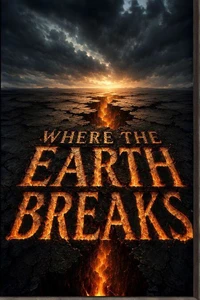
Where the Earth Breaks
E-book
3,99 €

3,99 €
3,99 €

3,99 €

The Assassin’s Gentleman
E-book
3,99 €
The Last Fan Letter
E-book
3,99 €
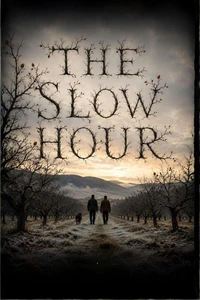
The Slow Hour
E-book
3,99 €

The Last Man At The Gym
E-book
3,99 €
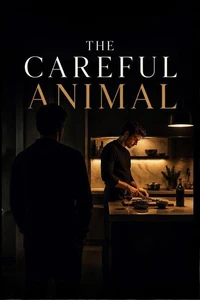
The Careful Animal
E-book
3,99 €
3,99 €

3,99 €

3,99 €
3,99 €