SOLDES
Jusqu'à -70% sur une sélection d'articles*

Nouveauté
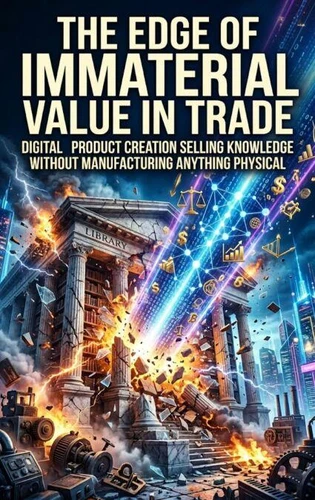
The Edge of Immaterial Value in Trade. Digital Product Creation Selling Knowledge Without Manufacturing Anything Physical
Par :Formats :
Disponible dans votre compte client Decitre ou Furet du Nord dès validation de votre commande. Le format ePub est :
- Compatible avec une lecture sur My Vivlio (smartphone, tablette, ordinateur)
- Compatible avec une lecture sur liseuses Vivlio
- Pour les liseuses autres que Vivlio, vous devez utiliser le logiciel Adobe Digital Edition. Non compatible avec la lecture sur les liseuses Kindle, Remarkable et Sony
 , qui est-ce ?
Notre partenaire de plateforme de lecture numérique où vous retrouverez l'ensemble de vos ebooks gratuitement
Pour en savoir plus sur nos ebooks, consultez notre aide en ligne ici
C'est si simple ! Lisez votre ebook avec l'app Vivlio sur votre tablette, mobile ou ordinateur :

- Nombre de pages206
- FormatePub
- ISBN978-3-565-44858-6
- EAN9783565448586
- Date de parution18/05/2026
- Protection num.pas de protection
- Taille2 Mo
- Infos supplémentairesepub
- ÉditeurEmphaloz Publishing House
Résumé
This book examines how immaterial value-derived from knowledge, expertise, and digital formats-reshapes trade when physical manufacturing is removed from the value chain. It investigates the tension between tangible production and pure knowledge exchange in modern e-commerce.
The analysis focuses on three systemic mechanisms. First, intellectual property monetization through licensing, royalties, and subscription models turns knowledge into recurring revenue streams without inventory.
Second, digital delivery platforms automate fulfillment, enabling instant global access while reducing transaction friction via DRM, payment gateways, and cloud hosting. Third, network effects emerge as user communities contribute, remix, and validate knowledge products, amplifying value through peer-to-peer exchange and reputation systems. These mechanisms illustrate how intangible assets create scalable, low-margin-cost business models that rely on trust, accessibility, and continuous innovation rather than physical output.
Second, digital delivery platforms automate fulfillment, enabling instant global access while reducing transaction friction via DRM, payment gateways, and cloud hosting. Third, network effects emerge as user communities contribute, remix, and validate knowledge products, amplifying value through peer-to-peer exchange and reputation systems. These mechanisms illustrate how intangible assets create scalable, low-margin-cost business models that rely on trust, accessibility, and continuous innovation rather than physical output.