SOLDES
Jusqu'à -70% sur une sélection d'articles*

Nouveauté
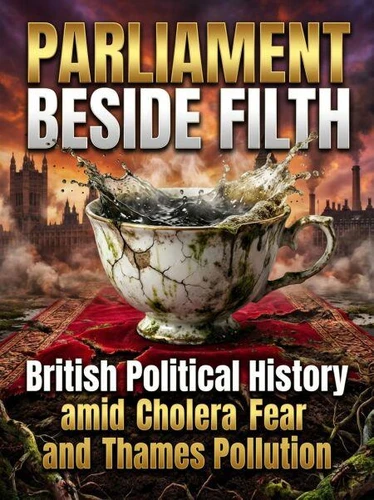
Parliament beside Filth. British Political History amid Cholera Fear and Thames Pollution
Par :Formats :
Disponible dans votre compte client Decitre ou Furet du Nord dès validation de votre commande. Le format ePub est :
- Compatible avec une lecture sur My Vivlio (smartphone, tablette, ordinateur)
- Compatible avec une lecture sur liseuses Vivlio
- Pour les liseuses autres que Vivlio, vous devez utiliser le logiciel Adobe Digital Edition. Non compatible avec la lecture sur les liseuses Kindle, Remarkable et Sony
 , qui est-ce ?
Notre partenaire de plateforme de lecture numérique où vous retrouverez l'ensemble de vos ebooks gratuitement
Pour en savoir plus sur nos ebooks, consultez notre aide en ligne ici
C'est si simple ! Lisez votre ebook avec l'app Vivlio sur votre tablette, mobile ou ordinateur :

- Nombre de pages185
- FormatePub
- ISBN978-3-565-46523-1
- EAN9783565465231
- Date de parution28/05/2026
- Protection num.pas de protection
- Taille1 Mo
- Infos supplémentairesepub
- ÉditeurEmphaloz Publishing House
Résumé
Members of Parliament pressed scented cloths against their faces as the River Thames turned toxic in 1858. The Great Stink exposed not only a sanitation disaster but also the inability of Britain's governing institutions to respond to industrial urban growth before crisis became unavoidable.
London had expanded faster than its infrastructure could endure. Human waste flowed directly into the Thames while overcrowded districts suffered recurring cholera epidemics and contaminated water supplies.
Parliamentary committees delayed reform for years through disputes over cost, jurisdiction, and engineering authority. When extreme summer heat amplified the smell rising from the river, government operations nearly stopped. Public outrage forced officials into emergency action that had previously seemed politically impossible. Using Hansard debates, Victorian press accounts, and engineering proposals rejected and revived over decades, this book reconstructs the administrative failures that produced the Great Stink.
It follows the collision between economic expansion, weak municipal coordination, and the growing belief that public health required centralized intervention. Joseph Bazalgette's sewer network emerged not simply as infrastructure, but as evidence that modern states increasingly depended on technical expertise to preserve social order. The sewage crisis of London reshaped how European governments understood responsibility for urban life, proving that neglect inside expanding capitals could threaten the authority of the state itself.
Parliamentary committees delayed reform for years through disputes over cost, jurisdiction, and engineering authority. When extreme summer heat amplified the smell rising from the river, government operations nearly stopped. Public outrage forced officials into emergency action that had previously seemed politically impossible. Using Hansard debates, Victorian press accounts, and engineering proposals rejected and revived over decades, this book reconstructs the administrative failures that produced the Great Stink.
It follows the collision between economic expansion, weak municipal coordination, and the growing belief that public health required centralized intervention. Joseph Bazalgette's sewer network emerged not simply as infrastructure, but as evidence that modern states increasingly depended on technical expertise to preserve social order. The sewage crisis of London reshaped how European governments understood responsibility for urban life, proving that neglect inside expanding capitals could threaten the authority of the state itself.