SOLDES
Jusqu'à -70% sur une sélection d'articles*

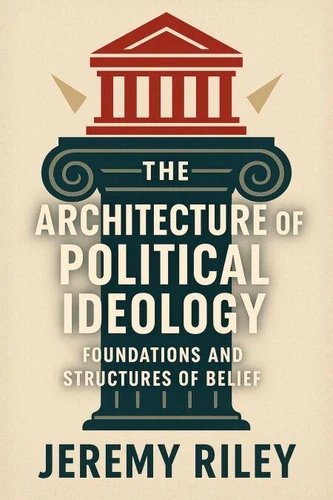
The Architecture of Political Ideology: Foundations and Structures of Belief
Par :Formats :
Disponible dans votre compte client Decitre ou Furet du Nord dès validation de votre commande. Le format ePub est :
- Compatible avec une lecture sur My Vivlio (smartphone, tablette, ordinateur)
- Compatible avec une lecture sur liseuses Vivlio
- Pour les liseuses autres que Vivlio, vous devez utiliser le logiciel Adobe Digital Edition. Non compatible avec la lecture sur les liseuses Kindle, Remarkable et Sony
 , qui est-ce ?
Notre partenaire de plateforme de lecture numérique où vous retrouverez l'ensemble de vos ebooks gratuitement
Pour en savoir plus sur nos ebooks, consultez notre aide en ligne ici
C'est si simple ! Lisez votre ebook avec l'app Vivlio sur votre tablette, mobile ou ordinateur :

- FormatePub
- ISBN8230522478
- EAN9798230522478
- Date de parution20/04/2025
- Protection num.pas de protection
- Infos supplémentairesepub
- ÉditeurIndependently Published
Résumé
In The Architecture of Political Ideology - Foundations and Structures of Belief, Jeremy Riley explores the intricate design of political ideologies and their role in shaping societies, governments, and human behavior. This book delves into the intellectual history of political thought, examining the origins and evolution of various ideologies that have shaped the modern world, from democracy and socialism to conservatism and fascism.
Riley examines how political ideologies form the ideological "blueprints" for organizing societies, concentrating on the philosophical, historical, and cultural foundations that undergird each system. Through an analytical lens, the book considers the critical intersections of power, authority, and governance, asking how ideologies influence everything from individual rights to global economic systems.
The work takes a multidisciplinary approach, integrating political theory, philosophy, sociology, and history to dissect the complex structures of belief that underpin ideologies. With thorough examinations of thinkers from Plato to Marx, and the key historical events that helped shape political systems, Riley offers a comprehensive look at how ideas of state, society, and human nature have been woven together over centuries.
The Architecture of Political Ideology provides readers with a deep understanding of the political ideologies that have defined world events and continue to shape debates about governance and justice. By unpacking the building blocks of political belief, Riley sheds light on the ongoing relevance of these ideologies in our increasingly complex and interconnected world. This work is essential for anyone looking to understand the forces that shape modern politics and the foundations upon which our beliefs about power and society rest.
Riley examines how political ideologies form the ideological "blueprints" for organizing societies, concentrating on the philosophical, historical, and cultural foundations that undergird each system. Through an analytical lens, the book considers the critical intersections of power, authority, and governance, asking how ideologies influence everything from individual rights to global economic systems.
The work takes a multidisciplinary approach, integrating political theory, philosophy, sociology, and history to dissect the complex structures of belief that underpin ideologies. With thorough examinations of thinkers from Plato to Marx, and the key historical events that helped shape political systems, Riley offers a comprehensive look at how ideas of state, society, and human nature have been woven together over centuries.
The Architecture of Political Ideology provides readers with a deep understanding of the political ideologies that have defined world events and continue to shape debates about governance and justice. By unpacking the building blocks of political belief, Riley sheds light on the ongoing relevance of these ideologies in our increasingly complex and interconnected world. This work is essential for anyone looking to understand the forces that shape modern politics and the foundations upon which our beliefs about power and society rest.
A propos de Jeremy Riley



2,99 €