
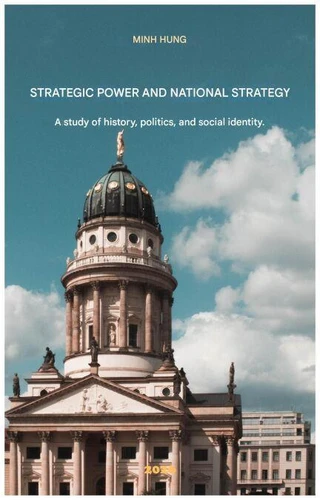
Nguy?n Dông Hung (bác si) / Nguyen Dong Hung, M. D. Bút danh / Pen name: Minh HungSinh / Born: Vi?t Nam / Vietnam
Strategic power and National strategy
Par :Formats :
Disponible dans votre compte client Decitre ou Furet du Nord dès validation de votre commande. Le format ePub est :
- Compatible avec une lecture sur My Vivlio (smartphone, tablette, ordinateur)
- Compatible avec une lecture sur liseuses Vivlio
- Pour les liseuses autres que Vivlio, vous devez utiliser le logiciel Adobe Digital Edition. Non compatible avec la lecture sur les liseuses Kindle, Remarkable et Sony
 , qui est-ce ?
Notre partenaire de plateforme de lecture numérique où vous retrouverez l'ensemble de vos ebooks gratuitement
Pour en savoir plus sur nos ebooks, consultez notre aide en ligne ici
C'est si simple ! Lisez votre ebook avec l'app Vivlio sur votre tablette, mobile ou ordinateur :

- FormatePub
- ISBN8258194084
- EAN9798258194084
- Date de parution20/04/2026
- Protection num.pas de protection
- Infos supplémentairesepub
- ÉditeurMINH HUNG
Résumé
Strategic Power and National Strategy by Minh Hung is a sweeping work of historical and political reflection that examines how nations rise, weaken, and endure across time. Moving between history, statecraft, education, national defense, intellectual life, and social transformation, the book argues that the fate of a country is never determined by power alone, but by the deeper relationship between memory, public spirit, political responsibility, and cultural self-awareness.
Written in a reflective and analytical style, Minh Hung explores major questions at the heart of political life: What makes a nation strong? Why do regimes decay from within? What is the role of intellectuals in times of crisis? How do education, public opinion, and social change shape the long destiny of a people? Through discussions of history, governance, legitimacy, political fear, national defense, and cultural identity, the book presents a coherent vision of statecraft rooted not in slogans, but in historical depth and civilizational seriousness.
Drawing on examples from East and West, ancient and modern, Strategic Power and National Strategy invites readers to think beyond immediate events and look instead at the structural forces beneath them: the erosion of legitimacy, the rise of new social powers, the crisis of the intellectual class, the fragility of public trust, and the enduring importance of national memory. At its core, this is a book about how a nation survives not only through institutions and weapons, but through education, self-knowledge, organization, and moral stamina.
For readers interested in political philosophy, history, governance, national strategy, social thought, intellectual responsibility, education, and national identity, Minh Hung offers a deeply considered meditation on what it means for a people to remain historically alive in a restless world. This book is especially valuable for those seeking serious insight into statecraft, strategic thinking, political order, cultural resilience, and the long-term foundations of national strength.
Written in a reflective and analytical style, Minh Hung explores major questions at the heart of political life: What makes a nation strong? Why do regimes decay from within? What is the role of intellectuals in times of crisis? How do education, public opinion, and social change shape the long destiny of a people? Through discussions of history, governance, legitimacy, political fear, national defense, and cultural identity, the book presents a coherent vision of statecraft rooted not in slogans, but in historical depth and civilizational seriousness.
Drawing on examples from East and West, ancient and modern, Strategic Power and National Strategy invites readers to think beyond immediate events and look instead at the structural forces beneath them: the erosion of legitimacy, the rise of new social powers, the crisis of the intellectual class, the fragility of public trust, and the enduring importance of national memory. At its core, this is a book about how a nation survives not only through institutions and weapons, but through education, self-knowledge, organization, and moral stamina.
For readers interested in political philosophy, history, governance, national strategy, social thought, intellectual responsibility, education, and national identity, Minh Hung offers a deeply considered meditation on what it means for a people to remain historically alive in a restless world. This book is especially valuable for those seeking serious insight into statecraft, strategic thinking, political order, cultural resilience, and the long-term foundations of national strength.
A propos de MINH HUNG
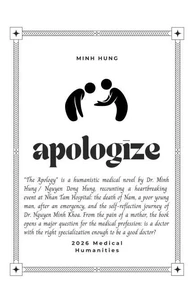
The Apology
E-book
9,49 €
1,99 €
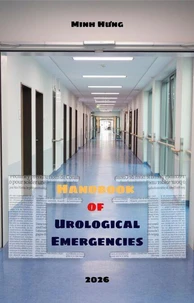
Urological Emergency
E-book
2,99 €
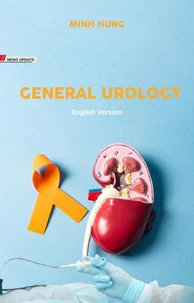
General Urology
E-book
4,49 €
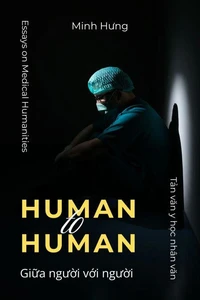
Human to Human
E-book
2,99 €
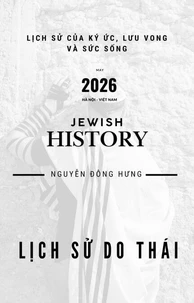
Jewish History
E-book
2,99 €
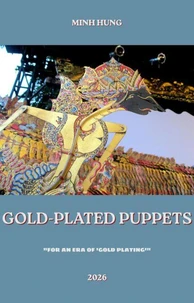
Gold-Plated Puppets
E-book
4,49 €
Boredrom and Creativity
E-book
4,49 €
Behind a Patient
E-book
4,49 €
The Awakened Physician
E-book
2,99 €
11,49 €
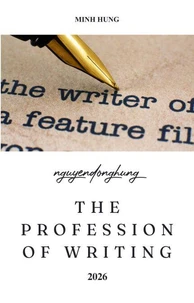
7,99 €

4,49 €
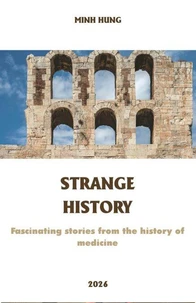
Strange History
E-book
4,49 €
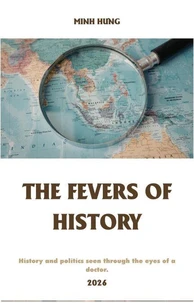
The Fevers of History
E-book
2,99 €
Human Lives in the City
E-book
2,99 €
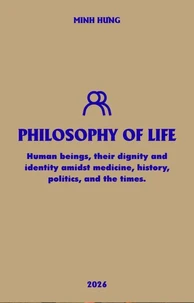
Philosophy of Life
E-book
4,49 €
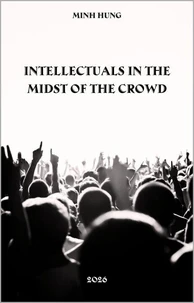
4,49 €
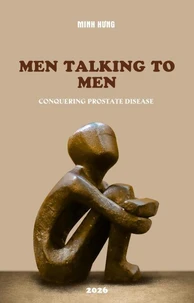
Men Talking to Men
E-book
6,99 €