SOLDES
Jusqu'à -70% sur une sélection d'articles*

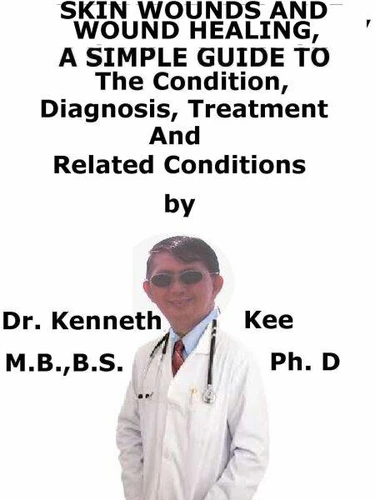
Skin Wounds And Wound Healing, A Simple Guide To The Condition, Diagnosis, Treatment And Related Conditions
Par :Formats :
Disponible dans votre compte client Decitre ou Furet du Nord dès validation de votre commande. Le format ePub est :
- Compatible avec une lecture sur My Vivlio (smartphone, tablette, ordinateur)
- Compatible avec une lecture sur liseuses Vivlio
- Pour les liseuses autres que Vivlio, vous devez utiliser le logiciel Adobe Digital Edition. Non compatible avec la lecture sur les liseuses Kindle, Remarkable et Sony
 , qui est-ce ?
Notre partenaire de plateforme de lecture numérique où vous retrouverez l'ensemble de vos ebooks gratuitement
Pour en savoir plus sur nos ebooks, consultez notre aide en ligne ici
C'est si simple ! Lisez votre ebook avec l'app Vivlio sur votre tablette, mobile ou ordinateur :

- FormatePub
- ISBN978-1-370-74140-3
- EAN9781370741403
- Date de parution16/12/2016
- Protection num.pas de protection
- Infos supplémentairesepub
- ÉditeurEditeurs divers USA
Résumé
A wound is a disorder resulting from injury to living tissue induced by a cut, blow, or other impact, normally one in which the skin is cut or broken. Wounds are injuries that sever the skin or other body tissues. They often happen because of an accident, but surgery, sutures, and stitches also produce wounds. Minor wounds normally are not severe, but it is important to clean them. Serious and infected wounds may need first aid followed by a visit to the doctorWounds occur when there is:a.
Cuts by a sharp object such as a knifeCuts carve the skin open. This produces bleeding and pain. Cuts need to be cleaned, closed, and covered with a bandage so they do not get infected.b. Punctures are stab wounds. They can be superficial ones, such as from a splinter or deep ones, such as from stepping on a nail. Puncture wounds injure and bleed.c. Abrasions are surface loss of skin and are less serious than cutsd.
Bruises are produced by broken blood vessels that bleed into the tissue under the skin. A bruise causes the skin to be black and blue or red.e. Burns can be produced from dry heat (fire), moist heat (steam, hot liquids), electricity, chemicals, and the sun (sunburn).f. Insect Bites and Stingsg. Bed sores particularly in the elderlyWounds can be divided into:A. Superficial Woundsa. Epidermis is injuredb.
Healing happens with scar formationc. Wounds have alterations in pigmentationB. Deep WoundsI. Without Loss of TissueThese wounds can be closed with sutures or surgical tape. The stability and strength of wound can be recovered. There is development of connective tissues. Granulation tissue will be quickly covered by epithelium. II. With Loss of TissueThe doctor will want to1. Stop the bleeding if the wound is bleeding a lot.2.
Clean the wound with disinfectant. This will get rid of dirt and other small objects and reduce the chance of infection.3. Look in the wound for foreign objects like dust or glass splinters.4. Explore (probe) or close the wound under local anesthesia. Closing the wound:The laceration may need stitches, staples, other treatments to seal the wound if:1. It is deep or bleeds a lot.2. The wound is wide open or3.
The wound is in a region that moves a lot, such as the hands, feet, and joints. Stitches also stop the wound from getting infected. Stitches may reduce the amount of scarring. If the wound is too old, it should not be stitched. Wound healing procedure can be divided into 4 distinct phases:Hemostasis, Inflammatory, Proliferation, Remodeling. Wound treatment requires:1. Surgical debridement and irrigation of wounds2.
Systemic and topical antibiotic for infections3. Clean Wound suture4. Delayed wound closure. Methods are present to increase the healing of the clean wound. After a wound is in a steady clean condition, a decision must be made about permitting it to heal by natural processes or increasing healing with a surgical treatment. Surgical methods are:1. Skin grafting, 2. Application of bioengineered skin substitutes, and3.
Use of flap closuresTABLE OF CONTENTIntroductionChapter 1 Skin Wounds and Wound HealingChapter 2 CausesChapter 3 SymptomsChapter 4 DiagnosisChapter 5 TreatmentChapter 6 PrognosisChapter 7 Bed soresChapter 8 Skin InjuriesEpilogue
Cuts by a sharp object such as a knifeCuts carve the skin open. This produces bleeding and pain. Cuts need to be cleaned, closed, and covered with a bandage so they do not get infected.b. Punctures are stab wounds. They can be superficial ones, such as from a splinter or deep ones, such as from stepping on a nail. Puncture wounds injure and bleed.c. Abrasions are surface loss of skin and are less serious than cutsd.
Bruises are produced by broken blood vessels that bleed into the tissue under the skin. A bruise causes the skin to be black and blue or red.e. Burns can be produced from dry heat (fire), moist heat (steam, hot liquids), electricity, chemicals, and the sun (sunburn).f. Insect Bites and Stingsg. Bed sores particularly in the elderlyWounds can be divided into:A. Superficial Woundsa. Epidermis is injuredb.
Healing happens with scar formationc. Wounds have alterations in pigmentationB. Deep WoundsI. Without Loss of TissueThese wounds can be closed with sutures or surgical tape. The stability and strength of wound can be recovered. There is development of connective tissues. Granulation tissue will be quickly covered by epithelium. II. With Loss of TissueThe doctor will want to1. Stop the bleeding if the wound is bleeding a lot.2.
Clean the wound with disinfectant. This will get rid of dirt and other small objects and reduce the chance of infection.3. Look in the wound for foreign objects like dust or glass splinters.4. Explore (probe) or close the wound under local anesthesia. Closing the wound:The laceration may need stitches, staples, other treatments to seal the wound if:1. It is deep or bleeds a lot.2. The wound is wide open or3.
The wound is in a region that moves a lot, such as the hands, feet, and joints. Stitches also stop the wound from getting infected. Stitches may reduce the amount of scarring. If the wound is too old, it should not be stitched. Wound healing procedure can be divided into 4 distinct phases:Hemostasis, Inflammatory, Proliferation, Remodeling. Wound treatment requires:1. Surgical debridement and irrigation of wounds2.
Systemic and topical antibiotic for infections3. Clean Wound suture4. Delayed wound closure. Methods are present to increase the healing of the clean wound. After a wound is in a steady clean condition, a decision must be made about permitting it to heal by natural processes or increasing healing with a surgical treatment. Surgical methods are:1. Skin grafting, 2. Application of bioengineered skin substitutes, and3.
Use of flap closuresTABLE OF CONTENTIntroductionChapter 1 Skin Wounds and Wound HealingChapter 2 CausesChapter 3 SymptomsChapter 4 DiagnosisChapter 5 TreatmentChapter 6 PrognosisChapter 7 Bed soresChapter 8 Skin InjuriesEpilogue
A propos de Kenneth Kee
4,49 €