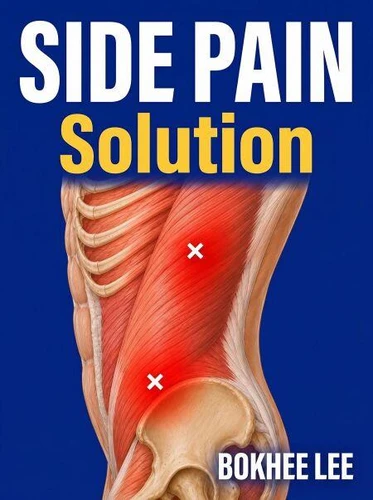
Draft2Digital ?????Most side pain has no clear diagnosis. The tests come back normal. The doctor finds nothing wrong. But the pain keeps returning - with every breath, every turn, every cough. That gap between "nothing is wrong" and "something clearly hurts" is where this book begins. Side pain is almost always a muscle problem. Specifically, it originates in the muscles that wrap around the rib cage - the intercostals, the serratus anterior, the latissimus dorsi, the external oblique.
When these muscles tighten, shorten, or develop trigger points, they don't produce pain at the source. They refer pain to places that seem unrelated. The result is a symptom that travels, shifts, and resists every explanation that doesn't account for where it actually starts. This book covers the full structural picture of side pain - from rib fracture recovery and post-shingles intercostal compression, to acid reflux caused by a locked chest wall, to the side strain that starts with a single sneeze.
Each chapter follows the same framework: identify the muscle structure involved, understand why it tightens, and apply targeted self-care that addresses the actual source. What this book covers:The serratus anterior and lateral rib cage - why chest wall stiffness produces both breathing restriction and digestive symptomsPost-rib fracture pain - why movement locks up before the bone even heals, and how to restore itSide pain after coughing or sneezing - why a single forceful contraction can produce weeks of pain in an already rigid structurePost-shingles side pain - why postherpetic pain is driven by shortened intercostal muscles compressing the nerve, not by nerve damage aloneSide strain - why ordinary movements cause sudden pain, and what the tissue was doing long before that moment
Draft2Digital ?????Most side pain has no clear diagnosis. The tests come back normal. The doctor finds nothing wrong. But the pain keeps returning - with every breath, every turn, every cough. That gap between "nothing is wrong" and "something clearly hurts" is where this book begins. Side pain is almost always a muscle problem. Specifically, it originates in the muscles that wrap around the rib cage - the intercostals, the serratus anterior, the latissimus dorsi, the external oblique.
When these muscles tighten, shorten, or develop trigger points, they don't produce pain at the source. They refer pain to places that seem unrelated. The result is a symptom that travels, shifts, and resists every explanation that doesn't account for where it actually starts. This book covers the full structural picture of side pain - from rib fracture recovery and post-shingles intercostal compression, to acid reflux caused by a locked chest wall, to the side strain that starts with a single sneeze.
Each chapter follows the same framework: identify the muscle structure involved, understand why it tightens, and apply targeted self-care that addresses the actual source. What this book covers:The serratus anterior and lateral rib cage - why chest wall stiffness produces both breathing restriction and digestive symptomsPost-rib fracture pain - why movement locks up before the bone even heals, and how to restore itSide pain after coughing or sneezing - why a single forceful contraction can produce weeks of pain in an already rigid structurePost-shingles side pain - why postherpetic pain is driven by shortened intercostal muscles compressing the nerve, not by nerve damage aloneSide strain - why ordinary movements cause sudden pain, and what the tissue was doing long before that moment


 , qui est-ce ?