
Nouveauté
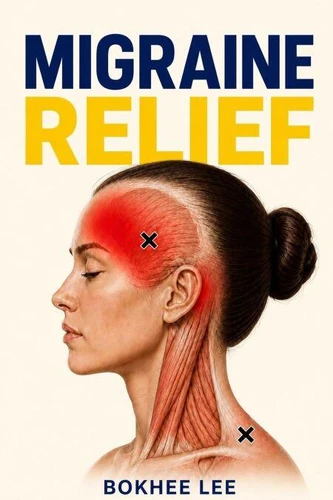
MIGRAINE RELIEF
Par :Formats :
Disponible dans votre compte client Decitre ou Furet du Nord dès validation de votre commande. Le format ePub est :
- Compatible avec une lecture sur My Vivlio (smartphone, tablette, ordinateur)
- Compatible avec une lecture sur liseuses Vivlio
- Pour les liseuses autres que Vivlio, vous devez utiliser le logiciel Adobe Digital Edition. Non compatible avec la lecture sur les liseuses Kindle, Remarkable et Sony
 , qui est-ce ?
Notre partenaire de plateforme de lecture numérique où vous retrouverez l'ensemble de vos ebooks gratuitement
Pour en savoir plus sur nos ebooks, consultez notre aide en ligne ici
C'est si simple ! Lisez votre ebook avec l'app Vivlio sur votre tablette, mobile ou ordinateur :

- FormatePub
- ISBN8235819450
- EAN9798235819450
- Date de parution12/07/2026
- Protection num.pas de protection
- Infos supplémentairesepub
- ÉditeurIoakim Ioakim
Résumé
Recurring migraines can make even the simplest daily activities difficult. Many people focus only on the headache itself, yet persistent muscle tension in the neck, jaw, shoulders, and head may also contribute to recurring pain. Migraine Relief explains how trigger points and referred pain patterns in key muscles can influence migraine symptoms. It introduces the muscles most commonly associated with head pain, including the upper trapezius, sternocleidomastoid, splenius muscles, suboccipital muscles, levator scapulae, temporalis, masseter, and scalenes.
Inside this book, you will discover how muscle tension may contribute to migraines, why pain often spreads beyond one area, how the neck and jaw work together, and practical self-care techniques for reducing muscle tightness. This guide also explains the relationship between posture, muscle imbalance, and recurring headaches in clear, easy-to-understand language. Each chapter focuses on helping readers identify common muscular pain patterns and apply simple self-care methods in everyday life.
Whether you experience occasional migraines or chronic recurring headaches, this book offers practical knowledge to help you better understand the muscular factors that may be involved and improve your daily self-care routine.
Inside this book, you will discover how muscle tension may contribute to migraines, why pain often spreads beyond one area, how the neck and jaw work together, and practical self-care techniques for reducing muscle tightness. This guide also explains the relationship between posture, muscle imbalance, and recurring headaches in clear, easy-to-understand language. Each chapter focuses on helping readers identify common muscular pain patterns and apply simple self-care methods in everyday life.
Whether you experience occasional migraines or chronic recurring headaches, this book offers practical knowledge to help you better understand the muscular factors that may be involved and improve your daily self-care routine.