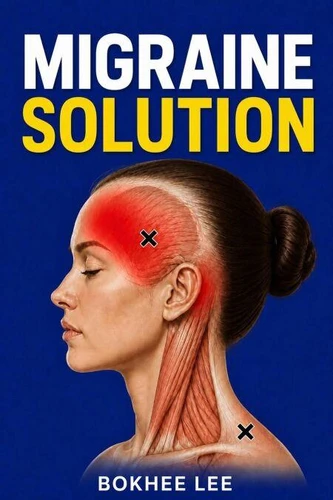
Do you suffer from recurring migraines that never seem to go away?Many people focus only on the pain itself while overlooking one of the most common contributing factors-muscle tension. This book explores how muscles of the neck, jaw, shoulders, and head may contribute to migraine symptoms through referred pain patterns and muscular dysfunction. It explains why migraines often return, why the pain may spread to different areas of the head, and why treating only the painful area is often not enough.
Inside this book, you'll learn about the muscles most commonly associated with migraine symptoms, including the upper trapezius, sternocleidomastoid, splenius muscles, suboccipital muscles, levator scapulae, temporalis, masseter, and scalenes. You will learn why migraines often return, how muscle tension can contribute to head pain, common referred pain patterns of the head and neck, the relationship between the jaw, neck, and headaches, how posture influences muscle tension, practical self-care techniques for managing muscle tightness, and daily habits that may help reduce recurring discomfort.
Written in clear, easy-to-understand language, this book combines anatomy with practical self-care guidance, making complex concepts accessible to both beginners and experienced readers. Whether you experience occasional migraines or frequent recurring headaches, this guide will help you better understand the muscular factors that may contribute to your symptoms and provide practical strategies for self-management.
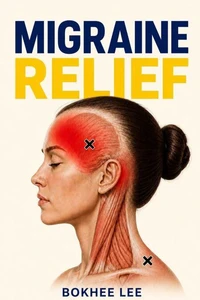
Do you suffer from recurring migraines that never seem to go away?Many people focus only on the pain itself while overlooking one of the most common contributing factors-muscle tension. This book explores how muscles of the neck, jaw, shoulders, and head may contribute to migraine symptoms through referred pain patterns and muscular dysfunction. It explains why migraines often return, why the pain may spread to different areas of the head, and why treating only the painful area is often not enough.
Inside this book, you'll learn about the muscles most commonly associated with migraine symptoms, including the upper trapezius, sternocleidomastoid, splenius muscles, suboccipital muscles, levator scapulae, temporalis, masseter, and scalenes. You will learn why migraines often return, how muscle tension can contribute to head pain, common referred pain patterns of the head and neck, the relationship between the jaw, neck, and headaches, how posture influences muscle tension, practical self-care techniques for managing muscle tightness, and daily habits that may help reduce recurring discomfort.
Written in clear, easy-to-understand language, this book combines anatomy with practical self-care guidance, making complex concepts accessible to both beginners and experienced readers. Whether you experience occasional migraines or frequent recurring headaches, this guide will help you better understand the muscular factors that may contribute to your symptoms and provide practical strategies for self-management.


 , qui est-ce ?