SOLDES
Jusqu'à -70% sur une sélection d'articles*

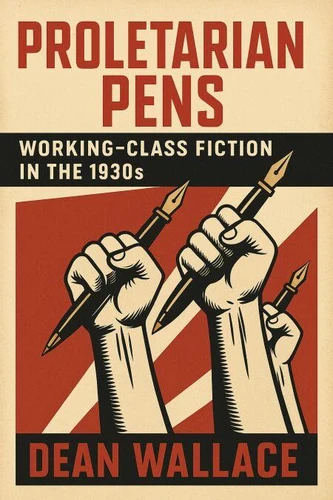
Proletarian Pens: Working-Class Fiction in the 1930s
Par :Formats :
Disponible dans votre compte client Decitre ou Furet du Nord dès validation de votre commande. Le format ePub est :
- Compatible avec une lecture sur My Vivlio (smartphone, tablette, ordinateur)
- Compatible avec une lecture sur liseuses Vivlio
- Pour les liseuses autres que Vivlio, vous devez utiliser le logiciel Adobe Digital Edition. Non compatible avec la lecture sur les liseuses Kindle, Remarkable et Sony
 , qui est-ce ?
Notre partenaire de plateforme de lecture numérique où vous retrouverez l'ensemble de vos ebooks gratuitement
Pour en savoir plus sur nos ebooks, consultez notre aide en ligne ici
C'est si simple ! Lisez votre ebook avec l'app Vivlio sur votre tablette, mobile ou ordinateur :

- FormatePub
- ISBN8230301608
- EAN9798230301608
- Date de parution22/04/2025
- Protection num.pas de protection
- Infos supplémentairesepub
- ÉditeurIndependently Published
Résumé
Proletarian Pens: Working-Class Fiction in the 1930s by Dean Wallace offers an in-depth exploration of the literary movement that emerged during the Great Depression, a time when social unrest and economic hardship led writers to document and critique the struggles of the working class. This book delves into the works of key authors like John Steinbeck, Richard Wright, Meridel Le Sueur, and Mike Gold, examining how their writings used literature as a tool for social change.
With a focus on themes such as class struggle, economic exploitation, racial injustice, and the pursuit of solidarity, Wallace highlights the political, cultural, and intellectual contexts that shaped proletarian fiction. The book also explores the ways in which these authors captured the voices of marginalized communities, from migrant workers in the Dust Bowl to African Americans in urban centers, and how their works continue to influence contemporary literature.
Through detailed analysis of primary sources, historical context, and the political climate of the 1930s, Proletarian Pens reveals how working-class fiction became not only a literary movement but a call to action for social justice.
With a focus on themes such as class struggle, economic exploitation, racial injustice, and the pursuit of solidarity, Wallace highlights the political, cultural, and intellectual contexts that shaped proletarian fiction. The book also explores the ways in which these authors captured the voices of marginalized communities, from migrant workers in the Dust Bowl to African Americans in urban centers, and how their works continue to influence contemporary literature.
Through detailed analysis of primary sources, historical context, and the political climate of the 1930s, Proletarian Pens reveals how working-class fiction became not only a literary movement but a call to action for social justice.
A propos de Dean Wallace


2,99 €


2,99 €


2,99 €


