SOLDES
Jusqu'à -70% sur une sélection d'articles*

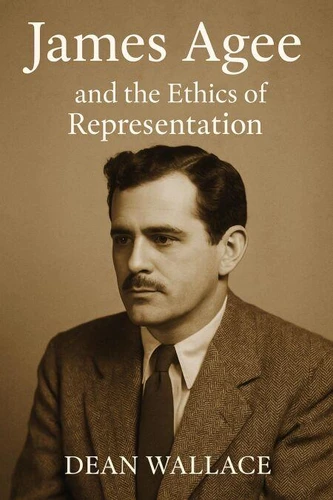
James Agee and the Ethics of Representation
Par :Formats :
Disponible dans votre compte client Decitre ou Furet du Nord dès validation de votre commande. Le format ePub est :
- Compatible avec une lecture sur My Vivlio (smartphone, tablette, ordinateur)
- Compatible avec une lecture sur liseuses Vivlio
- Pour les liseuses autres que Vivlio, vous devez utiliser le logiciel Adobe Digital Edition. Non compatible avec la lecture sur les liseuses Kindle, Remarkable et Sony
 , qui est-ce ?
Notre partenaire de plateforme de lecture numérique où vous retrouverez l'ensemble de vos ebooks gratuitement
Pour en savoir plus sur nos ebooks, consultez notre aide en ligne ici
C'est si simple ! Lisez votre ebook avec l'app Vivlio sur votre tablette, mobile ou ordinateur :

- FormatePub
- ISBN8230511090
- EAN9798230511090
- Date de parution22/04/2025
- Protection num.pas de protection
- Infos supplémentairesepub
- ÉditeurIndependently Published
Résumé
James Agee and the Ethics of Representation by Dean Wallace delves into the complex moral and philosophical questions raised by James Agee's groundbreaking work, Let Us Now Praise Famous Men. This book explores how Agee, as a journalist and writer, navigated the ethical challenges of representing the lives of marginalized communities, particularly the poor tenant farmers of the rural South during the Great Depression.
Through a combination of literary analysis and ethical critique, Wallace examines Agee's commitment to empathy, his struggle with objectivity, and his awareness of the power dynamics inherent in representation. The book considers Agee's legacy in contemporary media, offering insights into how his work continues to influence modern documentary practices, journalism, and social activism. It also raises essential questions about the responsibilities of storytellers, the ethics of representation, and the moral stakes of giving voice to those who have been silenced by social, economic, and racial forces.
Through a combination of literary analysis and ethical critique, Wallace examines Agee's commitment to empathy, his struggle with objectivity, and his awareness of the power dynamics inherent in representation. The book considers Agee's legacy in contemporary media, offering insights into how his work continues to influence modern documentary practices, journalism, and social activism. It also raises essential questions about the responsibilities of storytellers, the ethics of representation, and the moral stakes of giving voice to those who have been silenced by social, economic, and racial forces.
A propos de Dean Wallace


2,99 €


2,99 €


