SOLDES
Jusqu'à -70% sur une sélection d'articles*

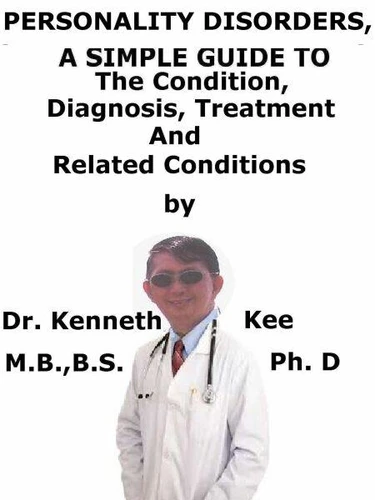
Personality Disorders, A Simple Guide To The Condition, Diagnosis, Treatment And Related Conditions
Par :Formats :
Disponible dans votre compte client Decitre ou Furet du Nord dès validation de votre commande. Le format ePub est :
- Compatible avec une lecture sur My Vivlio (smartphone, tablette, ordinateur)
- Compatible avec une lecture sur liseuses Vivlio
- Pour les liseuses autres que Vivlio, vous devez utiliser le logiciel Adobe Digital Edition. Non compatible avec la lecture sur les liseuses Kindle, Remarkable et Sony
 , qui est-ce ?
Notre partenaire de plateforme de lecture numérique où vous retrouverez l'ensemble de vos ebooks gratuitement
Pour en savoir plus sur nos ebooks, consultez notre aide en ligne ici
C'est si simple ! Lisez votre ebook avec l'app Vivlio sur votre tablette, mobile ou ordinateur :

- FormatePub
- ISBN978-0-463-24479-1
- EAN9780463244791
- Date de parution06/09/2018
- Protection num.pas de protection
- Infos supplémentairesepub
- ÉditeurBluewater
Résumé
This book describes Personality Disorders, Diagnosis and Treatment and Related DiseasesA person with a personality disorder thinks, senses, behaves or communicates with others very differently from the average person. There are several different forms of personality disorder. Those who suffer from a personality disorder have great difficulty dealing with other people. They are likely to be inflexible, rigid, and not able to react to the changes and demands of life.
Personality indicates a distinctive set of attributes, behavior styles, and patterns that make up the personality or distinctiveness. The way people see the world, their attitudes, thoughts, and feelings are all part of the personality. People with healthy personalities are able to deal with normal stresses and have no trouble forming relationships with family, friends, and co-workers. While they feel that their behavior patterns are normal or right, people with personality disorders are likely to have a narrow view of the world and find it hard to take part in social activities.
Causes:It is not clear exactly what causes personality disorders, but they are believed to occur from a combination of the genes a person inherits and early environmental effects such as a distressing childhood experience (abuse or neglect). There are many recognized personality disorders, each with their own set of behaviors and symptoms. Cluster A: Odd or eccentric behaviorSchizoid Personality DisorderSchizoid personalities are introverted, reserved, single, emotionally cold, and distant.
Paranoid Personality DisorderThe important feature for this type of personality disorder is interpreting the actions of others as terrorizing or debasing. Schizotypal Personality DisorderA pattern of peculiarities best depicts those with schizotypal personality disorder. Strange, bizarre or paranoid beliefs and thoughts are frequentCluster B:Antisocial Personality DisorderPeople with antisocial personality disorder typically act out their conflicts and pay no attention to normal rules of social behavior.
Borderline Personality DisorderPeople with borderline personality disorder are not stable in several areas, such as interpersonal relationships, conduct, temper, and sense of self. Histrionic personality disorderPeople with histrionic personality disorder want to be the center of attention in any group of people, and they feel uncomfortable when they are not. Narcissistic Personality DisorderPeople with narcissistic personality have an overstated sense of self-importance, are captivated by fantasies of unlimited success, and look for constant attentionCluster C:Avoidant Personality DisorderAvoidant personalities are often oversensitive to rejection and are not willing to become concerned with others unless they are sure of being liked.
Dependent Personality DisorderPeople with dependent personality disorder may display a pattern of dependent behavior, depending on others to make decisions for themObsessive-Compulsive Personality DisorderCompulsive personalities are conscientious and have high levels of ambition but they also try hard for perfection. SymptomsSymptoms differ depending on the type of personality disorder. Diagnosis:1.
A deeply ingrained, inflexible pattern of involving, perceiving, and thinking serious enough to cause anguish or impaired functioning is a personality disorder.2. Personality disorders are normally identified by adolescence, persist throughout adulthood, and become less evident throughout middle ageTreatment:The treatment may involve individual, group, or family psychotherapy- talking therapyMedicines may also be helpful in alleviating some of the symptomsTABLE OF CONTENTIntroductionChapter 1 Personality DisordersChapter 2 Causes...
Personality indicates a distinctive set of attributes, behavior styles, and patterns that make up the personality or distinctiveness. The way people see the world, their attitudes, thoughts, and feelings are all part of the personality. People with healthy personalities are able to deal with normal stresses and have no trouble forming relationships with family, friends, and co-workers. While they feel that their behavior patterns are normal or right, people with personality disorders are likely to have a narrow view of the world and find it hard to take part in social activities.
Causes:It is not clear exactly what causes personality disorders, but they are believed to occur from a combination of the genes a person inherits and early environmental effects such as a distressing childhood experience (abuse or neglect). There are many recognized personality disorders, each with their own set of behaviors and symptoms. Cluster A: Odd or eccentric behaviorSchizoid Personality DisorderSchizoid personalities are introverted, reserved, single, emotionally cold, and distant.
Paranoid Personality DisorderThe important feature for this type of personality disorder is interpreting the actions of others as terrorizing or debasing. Schizotypal Personality DisorderA pattern of peculiarities best depicts those with schizotypal personality disorder. Strange, bizarre or paranoid beliefs and thoughts are frequentCluster B:Antisocial Personality DisorderPeople with antisocial personality disorder typically act out their conflicts and pay no attention to normal rules of social behavior.
Borderline Personality DisorderPeople with borderline personality disorder are not stable in several areas, such as interpersonal relationships, conduct, temper, and sense of self. Histrionic personality disorderPeople with histrionic personality disorder want to be the center of attention in any group of people, and they feel uncomfortable when they are not. Narcissistic Personality DisorderPeople with narcissistic personality have an overstated sense of self-importance, are captivated by fantasies of unlimited success, and look for constant attentionCluster C:Avoidant Personality DisorderAvoidant personalities are often oversensitive to rejection and are not willing to become concerned with others unless they are sure of being liked.
Dependent Personality DisorderPeople with dependent personality disorder may display a pattern of dependent behavior, depending on others to make decisions for themObsessive-Compulsive Personality DisorderCompulsive personalities are conscientious and have high levels of ambition but they also try hard for perfection. SymptomsSymptoms differ depending on the type of personality disorder. Diagnosis:1.
A deeply ingrained, inflexible pattern of involving, perceiving, and thinking serious enough to cause anguish or impaired functioning is a personality disorder.2. Personality disorders are normally identified by adolescence, persist throughout adulthood, and become less evident throughout middle ageTreatment:The treatment may involve individual, group, or family psychotherapy- talking therapyMedicines may also be helpful in alleviating some of the symptomsTABLE OF CONTENTIntroductionChapter 1 Personality DisordersChapter 2 Causes...
A propos de Kenneth Kee

4,49 €