Nouveauté
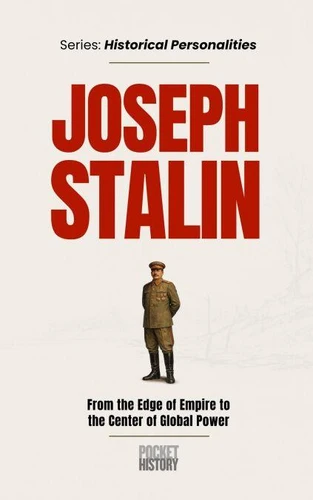
Joseph Stalin. Historical Personalities, #0
Par :Formats :
Disponible dans votre compte client Decitre ou Furet du Nord dès validation de votre commande. Le format ePub est :
- Compatible avec une lecture sur My Vivlio (smartphone, tablette, ordinateur)
- Compatible avec une lecture sur liseuses Vivlio
- Pour les liseuses autres que Vivlio, vous devez utiliser le logiciel Adobe Digital Edition. Non compatible avec la lecture sur les liseuses Kindle, Remarkable et Sony
 , qui est-ce ?
Notre partenaire de plateforme de lecture numérique où vous retrouverez l'ensemble de vos ebooks gratuitement
Pour en savoir plus sur nos ebooks, consultez notre aide en ligne ici
C'est si simple ! Lisez votre ebook avec l'app Vivlio sur votre tablette, mobile ou ordinateur :

- FormatePub
- ISBN8235240971
- EAN9798235240971
- Date de parution28/07/2026
- Protection num.pas de protection
- Infos supplémentairesepub
- ÉditeurIoakim Ioakim
Résumé
Discover the life and political rise of Joseph Stalin, one of the most powerful, feared, and controversial figures of the twentieth century. From his youth in Georgia and his involvement in the Russian revolutionary movement to his consolidation of power in the Soviet Union, this book presents the major events that shaped his life and government. After Lenin's death, Stalin prevailed in an intense struggle within the Communist Party and became the absolute leader of the Soviet state.
Under his rule, the Soviet Union experienced rapid industrialization, the forced collectivization of agriculture, and profound economic and social change. These policies helped transform the country into an industrial power, but they also caused famine, persecution, and immense human suffering. The book examines the political purges, public trials, forced-labor camp system, and climate of fear created by the machinery of state repression.
It also explores the Great Terror, a period during which party members, military officers, intellectuals, and ordinary citizens were imprisoned, deported, or executed on accusations of conspiracy and treason. Readers will also learn about Stalin's role during World War II, the Soviet victory over Nazi Germany, and the expansion of Soviet influence in international affairs. The narrative analyzes the cult of personality, propaganda, political control, and the lasting impact of Stalinism.
Written in a clear and balanced style, this book avoids simplistic explanations. It presents Stalin's strategies, decisions, contradictions, and responsibilities, offering readers a comprehensive view of a ruler who transformed the Soviet Union and left a permanent mark on world history.
Under his rule, the Soviet Union experienced rapid industrialization, the forced collectivization of agriculture, and profound economic and social change. These policies helped transform the country into an industrial power, but they also caused famine, persecution, and immense human suffering. The book examines the political purges, public trials, forced-labor camp system, and climate of fear created by the machinery of state repression.
It also explores the Great Terror, a period during which party members, military officers, intellectuals, and ordinary citizens were imprisoned, deported, or executed on accusations of conspiracy and treason. Readers will also learn about Stalin's role during World War II, the Soviet victory over Nazi Germany, and the expansion of Soviet influence in international affairs. The narrative analyzes the cult of personality, propaganda, political control, and the lasting impact of Stalinism.
Written in a clear and balanced style, this book avoids simplistic explanations. It presents Stalin's strategies, decisions, contradictions, and responsibilities, offering readers a comprehensive view of a ruler who transformed the Soviet Union and left a permanent mark on world history.
A propos de Pocket History

5,49 €

5,49 €

5,49 €

5,49 €

5,49 €
5,49 €
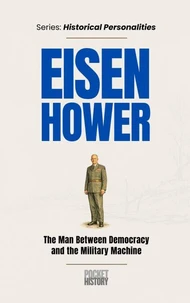
5,49 €
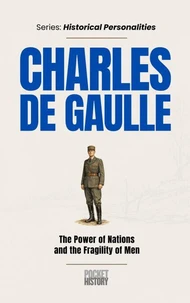
5,49 €
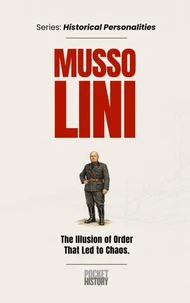
5,49 €
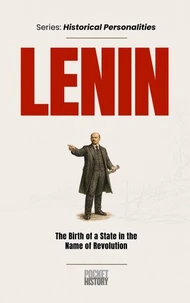
5,49 €
5,49 €
5,49 €
5,49 €

4,49 €

4,49 €

5,49 €