SOLDES
Jusqu'à -70% sur une sélection d'articles*

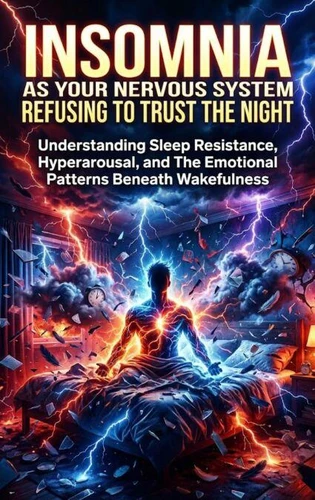
Insomnia as Your Nervous System Refusing to Trust the Night. Understanding Sleep Resistance, Hyperarousal, and The Emotional Patterns Beneath Wakefulness
Par :Formats :
Disponible dans votre compte client Decitre ou Furet du Nord dès validation de votre commande. Le format ePub est :
- Compatible avec une lecture sur My Vivlio (smartphone, tablette, ordinateur)
- Compatible avec une lecture sur liseuses Vivlio
- Pour les liseuses autres que Vivlio, vous devez utiliser le logiciel Adobe Digital Edition. Non compatible avec la lecture sur les liseuses Kindle, Remarkable et Sony
 , qui est-ce ?
Notre partenaire de plateforme de lecture numérique où vous retrouverez l'ensemble de vos ebooks gratuitement
Pour en savoir plus sur nos ebooks, consultez notre aide en ligne ici
C'est si simple ! Lisez votre ebook avec l'app Vivlio sur votre tablette, mobile ou ordinateur :

- Nombre de pages214
- FormatePub
- ISBN978-3-565-20510-3
- EAN9783565205103
- Date de parution28/01/2026
- Protection num.pas de protection
- Taille2 Mo
- Infos supplémentairesepub
- ÉditeurEmphaloz Publishing House
Résumé
Insomnia isn't just difficulty falling asleep-it's a signal. Your body won't rest because some part of you believes staying alert keeps you safe. Perhaps sleep feels like loss of control. Perhaps wakefulness became your survival strategy. Perhaps rest feels undeserved or dangerous. The sleep aids, routines, and hygiene practices fail because they address symptoms while the root cause-an activated nervous system or unresolved emotional pattern-remains untouched.
This book explores why chronic insomnia develops, examining the relationship between hypervigilance, unprocessed stress, perfectionism, and the ways trauma or anxiety can teach the body that rest equals vulnerability.
It draws on sleep research, nervous system science, and psychology to show how insomnia often functions as protection-keeping you conscious when unconsciousness once meant danger, or when your days leave no space to feel what needs feeling. Rather than prescribing sleep schedules or supplements, it examines what's actually keeping you awake beneath the surface. It explores the difference between tiredness and safety to rest, between wanting sleep and trusting it, between addressing circadian rhythm and addressing the beliefs that make nighttime threatening. For those who've tried every sleep strategy without lasting change, who recognize their insomnia worsens during stress or emotional upheaval, or who sense their wakefulness serves a purpose they haven't named, this book offers insight into the emotional architecture beneath sleeplessness.
It draws on sleep research, nervous system science, and psychology to show how insomnia often functions as protection-keeping you conscious when unconsciousness once meant danger, or when your days leave no space to feel what needs feeling. Rather than prescribing sleep schedules or supplements, it examines what's actually keeping you awake beneath the surface. It explores the difference between tiredness and safety to rest, between wanting sleep and trusting it, between addressing circadian rhythm and addressing the beliefs that make nighttime threatening. For those who've tried every sleep strategy without lasting change, who recognize their insomnia worsens during stress or emotional upheaval, or who sense their wakefulness serves a purpose they haven't named, this book offers insight into the emotional architecture beneath sleeplessness.
A propos de Sarah Whitfield














8,99 €