SOLDES
Jusqu'à -70% sur une sélection d'articles*

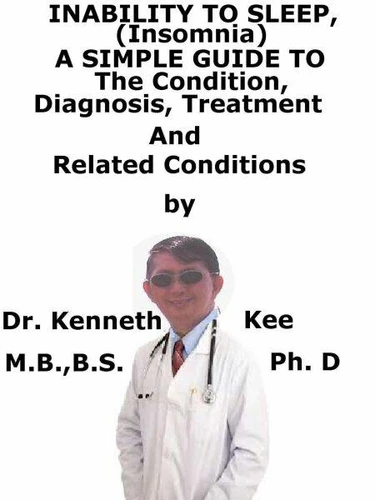
Inability to Sleep, (Insomnia) A Simple Guide To The Condition, Diagnosis, Treatment And Related Conditions
Par :Formats :
Disponible dans votre compte client Decitre ou Furet du Nord dès validation de votre commande. Le format ePub est :
- Compatible avec une lecture sur My Vivlio (smartphone, tablette, ordinateur)
- Compatible avec une lecture sur liseuses Vivlio
- Pour les liseuses autres que Vivlio, vous devez utiliser le logiciel Adobe Digital Edition. Non compatible avec la lecture sur les liseuses Kindle, Remarkable et Sony
 , qui est-ce ?
Notre partenaire de plateforme de lecture numérique où vous retrouverez l'ensemble de vos ebooks gratuitement
Pour en savoir plus sur nos ebooks, consultez notre aide en ligne ici
C'est si simple ! Lisez votre ebook avec l'app Vivlio sur votre tablette, mobile ou ordinateur :

- FormatePub
- ISBN978-1-370-42395-8
- EAN9781370423958
- Date de parution05/11/2016
- Protection num.pas de protection
- Infos supplémentairesepub
- ÉditeurEditeurs divers USA
Résumé
Insomnia is described as a medical sleep disorder typically featured by:1. Difficulty in falling and remaining asleep2. Too early morning wakening3. Too many awakenings during the night4. Lack of restful sleep5. A combination of these. Most people have poor sleep at least once in their lifetimeInsomnia is perhaps the most common sleep disorder affecting most people at sometime in their lives. For such a common sleep disorder insomnia is not well understood by most people.1.
Primary insomnia is insomnia that happens when no illness or other secondary cause is identified. Primary insomnia is responsible for about one in five cases of long-term insomnia.2. Secondary (or co-morbid) insomnia happens when insomnia is a symptom of, or is linked with, other disorders. These can be medical or mental health disorders, or drug or substance misuse.1. Transient insomnia happens for only a few days of insomnia, 2.
Short-term insomnia happens between one and four weeks.3. Long-term (or chronic) insomnia happens for four weeks or longer. Man is the only mammal that is willingly to delay his sleep. The higher the altitude, the greater is the sleep interferenceNormally most healthy adults require seven to nine hours of sleep a nightSleep is just as essential as diet and exercise. Poor sleep or lifestyle habits that may cause insomnia or make it worse are:1.
Going to bed at different times each night2. Daytime napping3. Poor sleeping environment, such as too much noise or light4. Using the television, computer, or a mobile device in bed5. The use of some medications and drugsDiagnosis is by:1. Typical history of difficulty in sleeping2. Electroencephalogram (EEG) for brain wave pattern3. Sleep Laboratory AnalysisTreatment of Insomnia is by:Behavior TherapyMedicines to help sleepOther methods e.g.
warm drinks, baths. music, counting sheep, have a massageTABLE OF CONTENTIntroductionChapter 1 Inability to Sleep (Insomnia)Chapter 2 CausesChapter 3 SymptomsChapter 4 DiagnosisChapter 5 TreatmentChapter 6 PrognosisChapter 7 Sleep DeprivationChapter 8 OSAEpilogueEvery one is unable to sleep once in a while. Sometimes it is because of the stress of work, studies for examinations or an illness or death of a close family member or even friends.
Some are unable to sleep the whole night while others sleep poorly. Whatever the cause, inability to sleep can deprive a person of adequate rest of the brain and may affect his mental condition.
Primary insomnia is insomnia that happens when no illness or other secondary cause is identified. Primary insomnia is responsible for about one in five cases of long-term insomnia.2. Secondary (or co-morbid) insomnia happens when insomnia is a symptom of, or is linked with, other disorders. These can be medical or mental health disorders, or drug or substance misuse.1. Transient insomnia happens for only a few days of insomnia, 2.
Short-term insomnia happens between one and four weeks.3. Long-term (or chronic) insomnia happens for four weeks or longer. Man is the only mammal that is willingly to delay his sleep. The higher the altitude, the greater is the sleep interferenceNormally most healthy adults require seven to nine hours of sleep a nightSleep is just as essential as diet and exercise. Poor sleep or lifestyle habits that may cause insomnia or make it worse are:1.
Going to bed at different times each night2. Daytime napping3. Poor sleeping environment, such as too much noise or light4. Using the television, computer, or a mobile device in bed5. The use of some medications and drugsDiagnosis is by:1. Typical history of difficulty in sleeping2. Electroencephalogram (EEG) for brain wave pattern3. Sleep Laboratory AnalysisTreatment of Insomnia is by:Behavior TherapyMedicines to help sleepOther methods e.g.
warm drinks, baths. music, counting sheep, have a massageTABLE OF CONTENTIntroductionChapter 1 Inability to Sleep (Insomnia)Chapter 2 CausesChapter 3 SymptomsChapter 4 DiagnosisChapter 5 TreatmentChapter 6 PrognosisChapter 7 Sleep DeprivationChapter 8 OSAEpilogueEvery one is unable to sleep once in a while. Sometimes it is because of the stress of work, studies for examinations or an illness or death of a close family member or even friends.
Some are unable to sleep the whole night while others sleep poorly. Whatever the cause, inability to sleep can deprive a person of adequate rest of the brain and may affect his mental condition.
A propos de Kenneth Kee



4,49 €