SOLDES
Jusqu'à -70% sur une sélection d'articles*

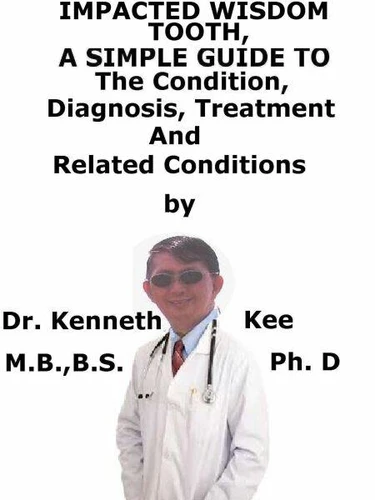
Impacted Wisdom Tooth, A Simple Guide To The Condition, Diagnosis, Treatment And Related Conditions
Par :Formats :
Disponible dans votre compte client Decitre ou Furet du Nord dès validation de votre commande. Le format ePub est :
- Compatible avec une lecture sur My Vivlio (smartphone, tablette, ordinateur)
- Compatible avec une lecture sur liseuses Vivlio
- Pour les liseuses autres que Vivlio, vous devez utiliser le logiciel Adobe Digital Edition. Non compatible avec la lecture sur les liseuses Kindle, Remarkable et Sony
 , qui est-ce ?
Notre partenaire de plateforme de lecture numérique où vous retrouverez l'ensemble de vos ebooks gratuitement
Pour en savoir plus sur nos ebooks, consultez notre aide en ligne ici
C'est si simple ! Lisez votre ebook avec l'app Vivlio sur votre tablette, mobile ou ordinateur :

- FormatePub
- ISBN978-0-463-82817-5
- EAN9780463828175
- Date de parution09/06/2018
- Protection num.pas de protection
- Infos supplémentairesepub
- ÉditeurBluewater
Résumé
This book describes Impacted Wisdom Tooth, Diagnosis and Treatment and Related DiseasesAn impacted wisdom tooth is a third molar adult tooth that does not erupt through the gum. Wisdom Teeth, or third molars, are the last teeth to form and appear in the mouth. They are called "wisdom teeth" because they normally occur during a person's late teens or early twenties which has been called the "age of wisdom".
When a wisdom tooth is obstructed from erupting or coming into the mouth normally, it is termed impacted. A tooth may be only incompletely impacted; meaning it grows in curved and erupts through the gum only partly, or it may fall short of erupting through at all and thus stays totally impacted. Serious disorders can form from partially impacted teeth, such as pain, infection, and crowding of, or injury to, adjacent teeth.
For wholly impacted teeth, more serious disorders can happen if the sac that envelopes the impacted tooth fills with fluid and becomes bigger to form a cyst. CausesAn impacted tooth stays stuck in gum tissue or bone for different reasons. The region may be congested, leaving no space for the teeth to come out. The jaw may be too undersized to fit the wisdom teeth. Teeth may also become twisted, tilted, or displaced as they try to come out.
Symptoms1. Bad breath2. Difficulty opening the mouth (sometimes)3. Pain or tenderness of the gums or jaw bone4. Extended headache or jaw ache5. Redness and swelling of the gums around the impacted toothDiagnosisThe dentist will check for swollen gum over the area where a tooth has not emerged, or has only partially erupted. Dental x-rays corroborate the presence of one or more teeth that have not eruptedTreatmentNo treatment may be required if the impacted tooth is not producing any problems.
Extraction of the tooth is the normal treatment for an impacted wisdom tooth. If the tooth is greatly impacted, it could be essential for the dentist to make a small incision in the gum to reach the tooth. Once extracted, the dentist will suture the gums with stitches (normally dissolvable) for it to heal. Pain medications, such as acetaminophen (Tylenol) or ibuprofen (Motrin or Advil), can be given for minor painIf the patient was under general anesthesia (rare these days) he or she will need a friend or family member to take home and look after him or her for the next 24 hours, as the residual effects of the anesthetic can affect the behavior and judgmentThe patient may also be given anti-inflammatory medicine or antibiotics to take while recovering.
When brushing, do not brush the operated area for a couple of days. The patient may also want to use softer foods while the gum improves and not chew with the teeth near where the tooth was removed. Bleeding may happen for several hours after tooth extraction. To stop it, place a piece of clean moist gauze over the empty tooth socket and bite down firmly. Apply persistent pressure for about 45 minutes.
A wet tea bag is an efficacious choice. TABLE OF CONTENTIntroductionChapter 1 Impacted Wisdom ToothChapter 2 CausesChapter 3 SymptomsChapter 4 DiagnosisChapter 5 TreatmentChapter 6 PrognosisChapter 7 Gum DiseaseChapter 8 Tooth DecayEpilogue
When a wisdom tooth is obstructed from erupting or coming into the mouth normally, it is termed impacted. A tooth may be only incompletely impacted; meaning it grows in curved and erupts through the gum only partly, or it may fall short of erupting through at all and thus stays totally impacted. Serious disorders can form from partially impacted teeth, such as pain, infection, and crowding of, or injury to, adjacent teeth.
For wholly impacted teeth, more serious disorders can happen if the sac that envelopes the impacted tooth fills with fluid and becomes bigger to form a cyst. CausesAn impacted tooth stays stuck in gum tissue or bone for different reasons. The region may be congested, leaving no space for the teeth to come out. The jaw may be too undersized to fit the wisdom teeth. Teeth may also become twisted, tilted, or displaced as they try to come out.
Symptoms1. Bad breath2. Difficulty opening the mouth (sometimes)3. Pain or tenderness of the gums or jaw bone4. Extended headache or jaw ache5. Redness and swelling of the gums around the impacted toothDiagnosisThe dentist will check for swollen gum over the area where a tooth has not emerged, or has only partially erupted. Dental x-rays corroborate the presence of one or more teeth that have not eruptedTreatmentNo treatment may be required if the impacted tooth is not producing any problems.
Extraction of the tooth is the normal treatment for an impacted wisdom tooth. If the tooth is greatly impacted, it could be essential for the dentist to make a small incision in the gum to reach the tooth. Once extracted, the dentist will suture the gums with stitches (normally dissolvable) for it to heal. Pain medications, such as acetaminophen (Tylenol) or ibuprofen (Motrin or Advil), can be given for minor painIf the patient was under general anesthesia (rare these days) he or she will need a friend or family member to take home and look after him or her for the next 24 hours, as the residual effects of the anesthetic can affect the behavior and judgmentThe patient may also be given anti-inflammatory medicine or antibiotics to take while recovering.
When brushing, do not brush the operated area for a couple of days. The patient may also want to use softer foods while the gum improves and not chew with the teeth near where the tooth was removed. Bleeding may happen for several hours after tooth extraction. To stop it, place a piece of clean moist gauze over the empty tooth socket and bite down firmly. Apply persistent pressure for about 45 minutes.
A wet tea bag is an efficacious choice. TABLE OF CONTENTIntroductionChapter 1 Impacted Wisdom ToothChapter 2 CausesChapter 3 SymptomsChapter 4 DiagnosisChapter 5 TreatmentChapter 6 PrognosisChapter 7 Gum DiseaseChapter 8 Tooth DecayEpilogue
A propos de Kenneth Kee
4,49 €