SOLDES
Jusqu'à -70% sur une sélection d'articles*

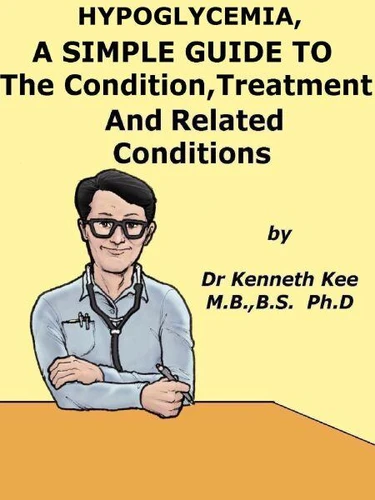
Hypoglycemia, A Simple Guide To The Condition, Treatment And Related Conditions
Par :Formats :
Disponible dans votre compte client Decitre ou Furet du Nord dès validation de votre commande. Le format ePub est :
- Compatible avec une lecture sur My Vivlio (smartphone, tablette, ordinateur)
- Compatible avec une lecture sur liseuses Vivlio
- Pour les liseuses autres que Vivlio, vous devez utiliser le logiciel Adobe Digital Edition. Non compatible avec la lecture sur les liseuses Kindle, Remarkable et Sony
 , qui est-ce ?
Notre partenaire de plateforme de lecture numérique où vous retrouverez l'ensemble de vos ebooks gratuitement
Pour en savoir plus sur nos ebooks, consultez notre aide en ligne ici
C'est si simple ! Lisez votre ebook avec l'app Vivlio sur votre tablette, mobile ou ordinateur :

- FormatePub
- ISBN978-1-310-07495-0
- EAN9781310074950
- Date de parution03/06/2015
- Protection num.pas de protection
- Infos supplémentairesepub
- ÉditeurJPCA
Résumé
Hypoglycemia is a state of low glucose actionWhich the brain needs for its functionWithout glucose the brain has no nutritionAnd immediately shut down its reactionsSugar is the life blood of the brainThat is necessary for the memory to retainThe brain can do all its functionsOtherwise it will stop its actionsHypoglycemia makes the body faint and sweatingThe whole body is shaky and tremblingThe heart is going so fast and racingThe body feels tired and difficulty in breathingTreatment is so simple: just give me some glucose tabletIt can be in the form of sweets or chocolateGlucose will stimulate my brain cells into wakingAnd start the process of working and thinking-An original poem by Kenneth KeeFacts about the HypoglycemiaA Healthy Lifestyle1.
Take a well Balanced Diet2. Treatment of HypoglycemiaEssentially a quick-acting carbohydrate needs to be given followed by longer-acting carbohydrateInitially Glucose 10-20 g is given by mouth, either in liquid form or as granulated sugar (2 teaspoons) or sugar lumps. Repeat capillary blood glucose after 10-15 minutes if the patient is still hypoglycemic then the above can be repeated (probably up to 1-3 times).
If hypoglycemia causes unconsciousness or the patient is uncooperative:75-80 ml 20% intravenous glucose or 150-160 ml of 10% glucose (the volume will be determined by the clinical scenario)Once the patient regains consciousness, oral glucose should be administered as above. Glucagon 1 mg should be given by intramuscular (IM), or subcutaneous (SC) injection. The patient must be admitted to hospital if hypoglycaemia is caused by an oral antidiabetic drug, because the hypoglycemic effects of these drugs may persist for 12-24 hours.
Ongoing glucose infusion or other therapies such as octreotide may be required.3. Keep bones and body strongBone marrow produces our bloodEat foods rich in calcium like yogurt, cheese, milk, and dark green vegetables. Eat foods rich in Vitamin D, like eggs, fatty fish, cereal, and fortified milk. Eat food rich in Vitamins B and C such as green vegetables and fruitsZinc and other minerals are important to the body4.
Get enough rest and SleepAvoid stress and tension5. Exercise and stay active. It is best to do weight-bearing exercise such as walking, jogging, stair climbing, dancing, or lifting weights for 2oe hours a week. One way to do this is to be active 30 minutes a day at least 5 days a week. Begin slowly especially if a person has not been active.6. Do not drink more than 2 alcohol drinks a day for a man or 1 alcohol drink a day for a woman.
Alcohol use also increases the chance of falling and breaking a bone. Alcohol can affect the neurons and brain cells.7. Stop or do not begin smoking. It also interferes with blood supply and healing. Chapter 1HypoglycemiaA Patient on diabetic medication should always carry a sweet with him in case his blood sugar drops too low and suck the sweet if he feels giddy. Patients on sulphonylurea oral medications or insulin injections are particularly prone to hypoglycemia.
I once made a house call to an elderly man's house because he was in a comatose state. When I check his medicine, it appeared that he was given a diabetic medicine. When I check his blood sugar it was way below normal. I gave an intravenous glucose solution and that cause him to wake out immediately. Later he was given a glucose tolerance test and found that he has no diabetes. It was a misdiagnosis by another doctor.
It is dangerous to give diabetes medicine to ...
Take a well Balanced Diet2. Treatment of HypoglycemiaEssentially a quick-acting carbohydrate needs to be given followed by longer-acting carbohydrateInitially Glucose 10-20 g is given by mouth, either in liquid form or as granulated sugar (2 teaspoons) or sugar lumps. Repeat capillary blood glucose after 10-15 minutes if the patient is still hypoglycemic then the above can be repeated (probably up to 1-3 times).
If hypoglycemia causes unconsciousness or the patient is uncooperative:75-80 ml 20% intravenous glucose or 150-160 ml of 10% glucose (the volume will be determined by the clinical scenario)Once the patient regains consciousness, oral glucose should be administered as above. Glucagon 1 mg should be given by intramuscular (IM), or subcutaneous (SC) injection. The patient must be admitted to hospital if hypoglycaemia is caused by an oral antidiabetic drug, because the hypoglycemic effects of these drugs may persist for 12-24 hours.
Ongoing glucose infusion or other therapies such as octreotide may be required.3. Keep bones and body strongBone marrow produces our bloodEat foods rich in calcium like yogurt, cheese, milk, and dark green vegetables. Eat foods rich in Vitamin D, like eggs, fatty fish, cereal, and fortified milk. Eat food rich in Vitamins B and C such as green vegetables and fruitsZinc and other minerals are important to the body4.
Get enough rest and SleepAvoid stress and tension5. Exercise and stay active. It is best to do weight-bearing exercise such as walking, jogging, stair climbing, dancing, or lifting weights for 2oe hours a week. One way to do this is to be active 30 minutes a day at least 5 days a week. Begin slowly especially if a person has not been active.6. Do not drink more than 2 alcohol drinks a day for a man or 1 alcohol drink a day for a woman.
Alcohol use also increases the chance of falling and breaking a bone. Alcohol can affect the neurons and brain cells.7. Stop or do not begin smoking. It also interferes with blood supply and healing. Chapter 1HypoglycemiaA Patient on diabetic medication should always carry a sweet with him in case his blood sugar drops too low and suck the sweet if he feels giddy. Patients on sulphonylurea oral medications or insulin injections are particularly prone to hypoglycemia.
I once made a house call to an elderly man's house because he was in a comatose state. When I check his medicine, it appeared that he was given a diabetic medicine. When I check his blood sugar it was way below normal. I gave an intravenous glucose solution and that cause him to wake out immediately. Later he was given a glucose tolerance test and found that he has no diabetes. It was a misdiagnosis by another doctor.
It is dangerous to give diabetes medicine to ...
A propos de Kenneth Kee


4,49 €