SOLDES
Jusqu'à -70% sur une sélection d'articles*

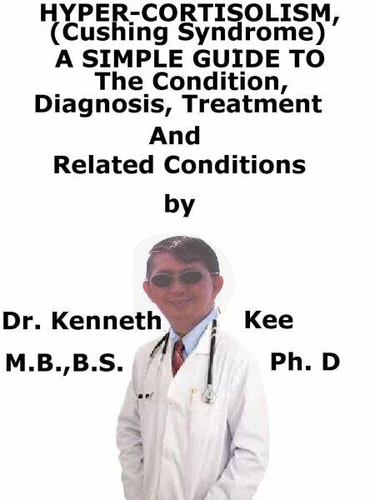
Hyper-cortisolism (Cushing Syndrome), A Simple Guide To The Condition, Diagnosis, Treatment And Related Conditions
Par :Formats :
Disponible dans votre compte client Decitre ou Furet du Nord dès validation de votre commande. Le format ePub est :
- Compatible avec une lecture sur My Vivlio (smartphone, tablette, ordinateur)
- Compatible avec une lecture sur liseuses Vivlio
- Pour les liseuses autres que Vivlio, vous devez utiliser le logiciel Adobe Digital Edition. Non compatible avec la lecture sur les liseuses Kindle, Remarkable et Sony
 , qui est-ce ?
Notre partenaire de plateforme de lecture numérique où vous retrouverez l'ensemble de vos ebooks gratuitement
Pour en savoir plus sur nos ebooks, consultez notre aide en ligne ici
C'est si simple ! Lisez votre ebook avec l'app Vivlio sur votre tablette, mobile ou ordinateur :

- FormatePub
- ISBN978-1-370-87869-7
- EAN9781370878697
- Date de parution04/11/2016
- Protection num.pas de protection
- Infos supplémentairesepub
- ÉditeurEditeurs divers USA
Résumé
The exposure of the body to excess amounts of glucocorticoids steroids is the cause of the medical disorder Hyper-cortosolism (Cushing Syndrome). The Hyper-cortosolism will happen when the body is exposed to high levels of the hormone cortisol and therefore the word Hyper-cortosolism is more appropriate than Cushing Syndrome. It may also happen if the patient takes too much cortisol or other steroid hormones.
People of all ages are affected but more are seen in females from 30 to 50 years of age. The most common cause of Hyper-cortosolism is taking excess glucocorticosteroid medicine. This form of Hyper-cortosolism is called exogenous Cushing syndromeOther people form Hyper-cortisolism because their body secretes too much cortisol. The cortisol is made in the adrenal glands. The causes of too much cortisol are:1.
Cushing disease, which happens when the pituitary gland produces too much of the hormone ACTH by itself. ACTH then activates the adrenal glands to form too much cortisol. A pituitary gland tumor can produce this disorder.2. Tumor of the adrenal glanda. Tumor somewhere in the body that forms corticotrophin-releasing hormone (CRH)b. Tumors somewhere in the body that form ACTH (ectopic Cushing syndrome)Exposure to excess glucocorticoids leads to multiple medical problems, such as:1.
Hypertension, 2. Obesity, 3. Osteoporosis, 4. Fractures, 5. Impaired immune function, 6. Impaired wound healing, 7. Glucose intolerance, 8. PsychosisMost people with Hyper-cortisolism have:1. Round, red, full face (moon face)2. Slow growth rate (in children)3. Weight gain with fat accumulation on the trunkDiagnosis of Hyper-cortisolism:1. The typical moon face and buffalo hump can suggest the diagnosis of Hyper-cortisolism2.
Blood sugar and white blood cell counts may be high.3. Potassium level may be low. Laboratory tests that may be done to diagnose Hyper-cortisolism and identify the cause are:1. Serum cortisol levels2. Salivary cortisol levels3. Dexamethasone suppression test4. 24-hour urine for cortisol and creatinine5. ACTH levelThe treatment for exogenous Cushing syndrome is slow withdrawal of glucocorticoid. Medicines used in the treatment of Cushing syndrome are:1.
Somatostatin analogs (e.g., pasireotide)2. Adrenal steroid inhibitors (e.g., metyrapone, ketoconazole, aminoglutethimide, mifepristone)Surgical option1. Remove a causative tumor if possible. The chosen treatment for endogenous Cushing syndrome is surgical excision of the causative tumor. This primary treatment for Cushing disease is trans-sphenoidal surgery and the primary treatment for adrenal tumors is adrenalectomy.
TABLE OF CONTENTIntroductionChapter 1 Hyper-cortisolismChapter 2 CausesChapter 3 SymptomsChapter 4 DiagnosisChapter 5 TreatmentChapter 6 PrognosisChapter 7 Addison DiseaseChapter 8 Adrenal FatigueEpilogue
People of all ages are affected but more are seen in females from 30 to 50 years of age. The most common cause of Hyper-cortosolism is taking excess glucocorticosteroid medicine. This form of Hyper-cortosolism is called exogenous Cushing syndromeOther people form Hyper-cortisolism because their body secretes too much cortisol. The cortisol is made in the adrenal glands. The causes of too much cortisol are:1.
Cushing disease, which happens when the pituitary gland produces too much of the hormone ACTH by itself. ACTH then activates the adrenal glands to form too much cortisol. A pituitary gland tumor can produce this disorder.2. Tumor of the adrenal glanda. Tumor somewhere in the body that forms corticotrophin-releasing hormone (CRH)b. Tumors somewhere in the body that form ACTH (ectopic Cushing syndrome)Exposure to excess glucocorticoids leads to multiple medical problems, such as:1.
Hypertension, 2. Obesity, 3. Osteoporosis, 4. Fractures, 5. Impaired immune function, 6. Impaired wound healing, 7. Glucose intolerance, 8. PsychosisMost people with Hyper-cortisolism have:1. Round, red, full face (moon face)2. Slow growth rate (in children)3. Weight gain with fat accumulation on the trunkDiagnosis of Hyper-cortisolism:1. The typical moon face and buffalo hump can suggest the diagnosis of Hyper-cortisolism2.
Blood sugar and white blood cell counts may be high.3. Potassium level may be low. Laboratory tests that may be done to diagnose Hyper-cortisolism and identify the cause are:1. Serum cortisol levels2. Salivary cortisol levels3. Dexamethasone suppression test4. 24-hour urine for cortisol and creatinine5. ACTH levelThe treatment for exogenous Cushing syndrome is slow withdrawal of glucocorticoid. Medicines used in the treatment of Cushing syndrome are:1.
Somatostatin analogs (e.g., pasireotide)2. Adrenal steroid inhibitors (e.g., metyrapone, ketoconazole, aminoglutethimide, mifepristone)Surgical option1. Remove a causative tumor if possible. The chosen treatment for endogenous Cushing syndrome is surgical excision of the causative tumor. This primary treatment for Cushing disease is trans-sphenoidal surgery and the primary treatment for adrenal tumors is adrenalectomy.
TABLE OF CONTENTIntroductionChapter 1 Hyper-cortisolismChapter 2 CausesChapter 3 SymptomsChapter 4 DiagnosisChapter 5 TreatmentChapter 6 PrognosisChapter 7 Addison DiseaseChapter 8 Adrenal FatigueEpilogue
A propos de Kenneth Kee


4,49 €