SOLDES
Jusqu'à -70% sur une sélection d'articles*

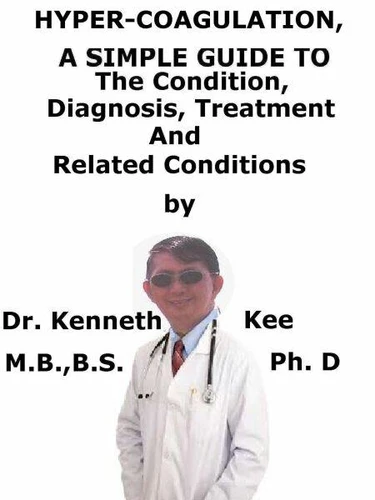
Hyper-coagulation, A Simple Guide To The Condition, Diagnosis, Treatment And Related Conditions
Par :Formats :
Disponible dans votre compte client Decitre ou Furet du Nord dès validation de votre commande. Le format ePub est :
- Compatible avec une lecture sur My Vivlio (smartphone, tablette, ordinateur)
- Compatible avec une lecture sur liseuses Vivlio
- Pour les liseuses autres que Vivlio, vous devez utiliser le logiciel Adobe Digital Edition. Non compatible avec la lecture sur les liseuses Kindle, Remarkable et Sony
 , qui est-ce ?
Notre partenaire de plateforme de lecture numérique où vous retrouverez l'ensemble de vos ebooks gratuitement
Pour en savoir plus sur nos ebooks, consultez notre aide en ligne ici
C'est si simple ! Lisez votre ebook avec l'app Vivlio sur votre tablette, mobile ou ordinateur :

- FormatePub
- ISBN978-0-463-89983-0
- EAN9780463899830
- Date de parution24/06/2020
- Protection num.pas de protection
- Infos supplémentairesepub
- ÉditeurBluewater
Résumé
This book describes Hyper-coagulation, Diagnosis and Treatment and Related DiseasesRecently I treated an elderly woman who had a sudden transient loss of consciousness with inability to recognize her children for a few minutes after her loss of consciousness and blurring of vision in her left eye. There was a small swelling on her left neck which was found to be small blood clot in her common carotid artery in the neck that could have blocked the flow of blood to her brain temporarily to cause a transient ischemic attack.
She was very lucky that it was only a mild transient ischemic attack. Some transient ischemic attack often develop into full fledged strokes with hemiplegia. The cause of her blood clot was a dislodged blood clot released from an abnormal heart rhythm which was treated by a heart specialist. Unfortunately even with proper treatment of her irregular heart beat, hyper-coagulation can still occur with a resultant mild transient ischemic attack.
Hyper-coagulation is the medical name for excessive blood clotting. A normal and healthy reaction to bleeding for maintaining hemostasis (arrest of bleeding) requires the production of a stable clot, and the process is termed coagulationWhen the patient gets a cut, the body produces a thickened mass of blood cells. This thickened blood mass or clot halts the bleeding. Proteins in the blood help produce the blood clot.
This development is termed coagulation. Coagulation assists when the patient is damaged since it slows down blood loss. Different blood ingredients work together to produce a thrombusArterial thrombosis, such as in myocardial infarction and stroke, is dissimilar from venous thromboses, such as deep venous thrombosis (DVT) and pulmonary embolism (PE)Hyper-coagulability or hyper-coagulation is the greater tendency of blood to clot (thrombose).
Hyper-coagulability depicts the abnormal state of exacerbated coagulation or coagulation in the absence of bleeding. Occasionally the blood produces a clot when it should not. The blood clot is developed while the blood is moving through the body. This inclination of the blood to clot excessively is called hyper-coagulation. It can be very risky. Blood clots can happen in vital organs or move to them, such as the heart and brain.
This can produce severe health disorders, even death. Thromboembolism depicts the movement of a local thrombus to distant areas resulting in luminal obstruction. It can cause strokes, heart attacks, damage to internal organs. Some people are born with an inclination to form clots. This inclination is inherited (which indicates that it runs in the family). They may not have sufficient of the proteins that stop the blood from clotting too much.
Or these proteins may not be doing their function properly. Genetic factors can now be recognized in up to 30% of patients with VTE (Venous thromboembolism) and are mainly due to:1. Factor V Leiden and2. Prothrombin G2021A mutation. These 2 hyper-coagulations involve a weak thrombotic (blood clot) risk. Other inherited hyper-coagulations are rare such as:3. Anti-thrombin III, 4. Protein C and protein S deficiency (around 1% in the general population)They cause a higher risk for thrombosis.
Acquired factors also affect the coagulation cascade and are:1. Surgery, 2. Pregnancy, 3. Hormonal replacement therapy, 4. Contraception, 5. Malignancy, 6. Inflammation, 7. Infection, and8. Heparin-induced thrombocytopeniaBlood clots can cause deep vein thrombosis and pulmonary embolism which is life threateningTreatment is usually with anticoagulants such as aspirin, warfarin, heparin...
She was very lucky that it was only a mild transient ischemic attack. Some transient ischemic attack often develop into full fledged strokes with hemiplegia. The cause of her blood clot was a dislodged blood clot released from an abnormal heart rhythm which was treated by a heart specialist. Unfortunately even with proper treatment of her irregular heart beat, hyper-coagulation can still occur with a resultant mild transient ischemic attack.
Hyper-coagulation is the medical name for excessive blood clotting. A normal and healthy reaction to bleeding for maintaining hemostasis (arrest of bleeding) requires the production of a stable clot, and the process is termed coagulationWhen the patient gets a cut, the body produces a thickened mass of blood cells. This thickened blood mass or clot halts the bleeding. Proteins in the blood help produce the blood clot.
This development is termed coagulation. Coagulation assists when the patient is damaged since it slows down blood loss. Different blood ingredients work together to produce a thrombusArterial thrombosis, such as in myocardial infarction and stroke, is dissimilar from venous thromboses, such as deep venous thrombosis (DVT) and pulmonary embolism (PE)Hyper-coagulability or hyper-coagulation is the greater tendency of blood to clot (thrombose).
Hyper-coagulability depicts the abnormal state of exacerbated coagulation or coagulation in the absence of bleeding. Occasionally the blood produces a clot when it should not. The blood clot is developed while the blood is moving through the body. This inclination of the blood to clot excessively is called hyper-coagulation. It can be very risky. Blood clots can happen in vital organs or move to them, such as the heart and brain.
This can produce severe health disorders, even death. Thromboembolism depicts the movement of a local thrombus to distant areas resulting in luminal obstruction. It can cause strokes, heart attacks, damage to internal organs. Some people are born with an inclination to form clots. This inclination is inherited (which indicates that it runs in the family). They may not have sufficient of the proteins that stop the blood from clotting too much.
Or these proteins may not be doing their function properly. Genetic factors can now be recognized in up to 30% of patients with VTE (Venous thromboembolism) and are mainly due to:1. Factor V Leiden and2. Prothrombin G2021A mutation. These 2 hyper-coagulations involve a weak thrombotic (blood clot) risk. Other inherited hyper-coagulations are rare such as:3. Anti-thrombin III, 4. Protein C and protein S deficiency (around 1% in the general population)They cause a higher risk for thrombosis.
Acquired factors also affect the coagulation cascade and are:1. Surgery, 2. Pregnancy, 3. Hormonal replacement therapy, 4. Contraception, 5. Malignancy, 6. Inflammation, 7. Infection, and8. Heparin-induced thrombocytopeniaBlood clots can cause deep vein thrombosis and pulmonary embolism which is life threateningTreatment is usually with anticoagulants such as aspirin, warfarin, heparin...
A propos de Kenneth Kee
4,49 €