SOLDES
Jusqu'à -70% sur une sélection d'articles*

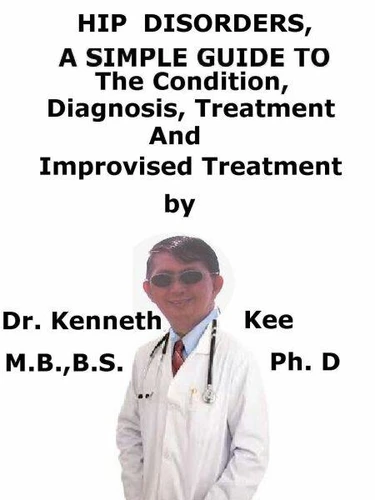
Hip Disorders, A Simple Guide To The Condition, Diagnosis, Treatment And Improvised Treatment
Par :Formats :
Disponible dans votre compte client Decitre ou Furet du Nord dès validation de votre commande. Le format ePub est :
- Compatible avec une lecture sur My Vivlio (smartphone, tablette, ordinateur)
- Compatible avec une lecture sur liseuses Vivlio
- Pour les liseuses autres que Vivlio, vous devez utiliser le logiciel Adobe Digital Edition. Non compatible avec la lecture sur les liseuses Kindle, Remarkable et Sony
 , qui est-ce ?
Notre partenaire de plateforme de lecture numérique où vous retrouverez l'ensemble de vos ebooks gratuitement
Pour en savoir plus sur nos ebooks, consultez notre aide en ligne ici
C'est si simple ! Lisez votre ebook avec l'app Vivlio sur votre tablette, mobile ou ordinateur :

- FormatePub
- ISBN978-0-463-91407-6
- EAN9780463914076
- Date de parution30/08/2019
- Protection num.pas de protection
- Infos supplémentairesepub
- ÉditeurBluewater
Résumé
This book describes Hip Disorders, Diagnosis and Treatment and Improvised TreatmentHip pain is frequent symptom, and it can be confusing because there are many causes. Some frequent causes of hip pain are:1. ArthritisArthritis is among the most frequent causes of hip pain, and there are many treatments available. If conservative treatments do not succeed, hip replacement surgery is a method. Rheumatoid Arthritis is an autoimmune disease that causes antibodies to attack the joint.
Arthritis by itself causes the synovial fluid to become inflamed and occasionally harden or stiffen. This causes severe pain and stiffness in the joint. In extreme instances of arthritis (e.g., rheumatoid arthritis) the hip may have to be replaced due to deformities or unbearable pain. The hip joint is subject to both traumatic damage and wear and tear with age that can cause arthritis and occasionally require a hip joint replacement.
One of the success stories of modern medicine is the surgical treatment of this disorder by a hip joint replacement (arthroplasty). The neck of the femur is a frequent location of fracture in the elderly, often happening from a fall; the fracture is often termed a broken hip.2. Trochanteric BursitisTrochanteric bursitis is an extremely frequent disorder that produces inflammation of the bursa over the outside of the hip joint.3.
TendonitisTendonitis can happen in any of the tendons that surround the hip joint. The most often encountered tendonitis around the hip is iliotibial band (IT band) tendonitis.4. OsteonecrosisOsteonecrosis is a disorder that happens when blood flow to an area of bone is limited. If an insufficient amount of blood flow reaches the bone, the cells will die and the bone may collapse. One of the most frequent locations for osteonecrosis to happen is in the hip joint.5.
Lumbar Pain - Referred SymptomsMany back and spine problems can produce symptoms around the buttocks and hip. The most frequent disorders that refer pain to the hip region are herniated discs and sciatica.6. Snapping Hip SyndromeSnapping hip syndrome is a term used to depict 3 distinct hip disorders. The first happens when the IT band snaps over the outside of the thigh. The second happens when the deep hip flexor snaps over the front of the hip joint.
Finally, tears of the cartilage, or labrum, around the hip socket can produce a snapping sensation.7. Muscle StrainsStrains of the muscles around the hip and pelvis can produce pain and spasm. The most frequent strains are groin pulls and hamstring strains.8. Hip FractureHip fractures are most frequent in elderly patients with osteoporosis. The treatment of broken hips needs surgery to either replace the broken part or repair it with a metal plate and screws.9.
Legg-Calve-Perthes DiseaseAlso called Perthes disease, this is a disorder similar to osteonecrosis but in childhood. If severe, it can cause permanent damage to this hip joint and early arthritis. Symptoms of Hip Disorders:1. Inability to walk comfortably on the affected side2. Injury that produces deformity around the joint3. Hip pain that happens at night or while resting4. Hip pain that continues beyond a few days5.
Inability to flex the hip6. Swelling of the hip or the thigh area7. Signs of an infection, such as fever, redness, warmthTreatment of Hip DisordersThe treatment is dependent completely on the cause of the disorder.1. Rest of the hip2. Ice and Heat Application3. Stretching of muscles4. Physical Therapy5. Anti-Inflammatory MedicineAvoiding traumatic activities can help keep the hip function for many years.
TABLE OF CONTENTIntroductionChapter 1 Hip DisordersChapter 2 Hip Neck FracturesChapter 3 Hip OsteoarthritisChapter 4 Hip Rheu...
Arthritis by itself causes the synovial fluid to become inflamed and occasionally harden or stiffen. This causes severe pain and stiffness in the joint. In extreme instances of arthritis (e.g., rheumatoid arthritis) the hip may have to be replaced due to deformities or unbearable pain. The hip joint is subject to both traumatic damage and wear and tear with age that can cause arthritis and occasionally require a hip joint replacement.
One of the success stories of modern medicine is the surgical treatment of this disorder by a hip joint replacement (arthroplasty). The neck of the femur is a frequent location of fracture in the elderly, often happening from a fall; the fracture is often termed a broken hip.2. Trochanteric BursitisTrochanteric bursitis is an extremely frequent disorder that produces inflammation of the bursa over the outside of the hip joint.3.
TendonitisTendonitis can happen in any of the tendons that surround the hip joint. The most often encountered tendonitis around the hip is iliotibial band (IT band) tendonitis.4. OsteonecrosisOsteonecrosis is a disorder that happens when blood flow to an area of bone is limited. If an insufficient amount of blood flow reaches the bone, the cells will die and the bone may collapse. One of the most frequent locations for osteonecrosis to happen is in the hip joint.5.
Lumbar Pain - Referred SymptomsMany back and spine problems can produce symptoms around the buttocks and hip. The most frequent disorders that refer pain to the hip region are herniated discs and sciatica.6. Snapping Hip SyndromeSnapping hip syndrome is a term used to depict 3 distinct hip disorders. The first happens when the IT band snaps over the outside of the thigh. The second happens when the deep hip flexor snaps over the front of the hip joint.
Finally, tears of the cartilage, or labrum, around the hip socket can produce a snapping sensation.7. Muscle StrainsStrains of the muscles around the hip and pelvis can produce pain and spasm. The most frequent strains are groin pulls and hamstring strains.8. Hip FractureHip fractures are most frequent in elderly patients with osteoporosis. The treatment of broken hips needs surgery to either replace the broken part or repair it with a metal plate and screws.9.
Legg-Calve-Perthes DiseaseAlso called Perthes disease, this is a disorder similar to osteonecrosis but in childhood. If severe, it can cause permanent damage to this hip joint and early arthritis. Symptoms of Hip Disorders:1. Inability to walk comfortably on the affected side2. Injury that produces deformity around the joint3. Hip pain that happens at night or while resting4. Hip pain that continues beyond a few days5.
Inability to flex the hip6. Swelling of the hip or the thigh area7. Signs of an infection, such as fever, redness, warmthTreatment of Hip DisordersThe treatment is dependent completely on the cause of the disorder.1. Rest of the hip2. Ice and Heat Application3. Stretching of muscles4. Physical Therapy5. Anti-Inflammatory MedicineAvoiding traumatic activities can help keep the hip function for many years.
TABLE OF CONTENTIntroductionChapter 1 Hip DisordersChapter 2 Hip Neck FracturesChapter 3 Hip OsteoarthritisChapter 4 Hip Rheu...
A propos de Kenneth Kee
4,49 €