SOLDES
Jusqu'à -70% sur une sélection d'articles*

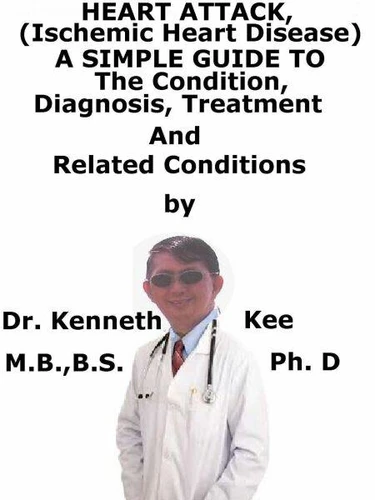
Heart Attack, (Ischemic Heart Disease) A Simple Guide To The Condition, Diagnosis, Treatment And Related Conditions
Par :Formats :
Disponible dans votre compte client Decitre ou Furet du Nord dès validation de votre commande. Le format ePub est :
- Compatible avec une lecture sur My Vivlio (smartphone, tablette, ordinateur)
- Compatible avec une lecture sur liseuses Vivlio
- Pour les liseuses autres que Vivlio, vous devez utiliser le logiciel Adobe Digital Edition. Non compatible avec la lecture sur les liseuses Kindle, Remarkable et Sony
 , qui est-ce ?
Notre partenaire de plateforme de lecture numérique où vous retrouverez l'ensemble de vos ebooks gratuitement
Pour en savoir plus sur nos ebooks, consultez notre aide en ligne ici
C'est si simple ! Lisez votre ebook avec l'app Vivlio sur votre tablette, mobile ou ordinateur :

- FormatePub
- ISBN978-1-310-41673-6
- EAN9781310416736
- Date de parution27/11/2016
- Protection num.pas de protection
- Infos supplémentairesepub
- ÉditeurJPCA
Résumé
Heart Attack (Ischemic Heart Disease) is a medical disorder that happens when the coronary arteries become blocked reducing blood flow to the heart muscles. The blood supply to the part of the heart can not give sufficient oxygen and nutrients to the muscles of the heart. The cells in that affected area of the heart died off and that area of the heart is not able to function. This is called a heart attack.
Heart Attack (Ischemic Heart Disease) can result in sudden death. It needs just four to six minutes after cardiac arrest before a person develops brain death and then complete death. The survival rate before reaching a hospital is less than 1-2%. A heart attack (myocardial infarction) happens when blood supply to the heart muscle stops and the heart muscle dies. A sudden cardiac arrest (SCA) happens when the heart suddenly stops pumping due to an electrical disorder in the heart.
Heart Attack (Ischemic Heart Disease) happens when1. There is an obstruction of an artery in the heart by a blood clot, piece of fat or air bubble traveling in the blood from another part of the body. This results in a lack of supply of oxygen and nutrients to the heart muscle. Consequently the heart cells died resulting in loss of function of the part of the heart.2. The narrowing of the blood vessel because of fat deposit in the walls of the artery supplying blood to the heart.
This decreases the blood supply of oxygen and nutrients to the heart muscles cells and decreases its function. The causative diseases are:1. High Blood pressure-Hypertension narrows the arteries of the heart and provides blockage.2. High cholesterol-Cholesterol deposit causes the walls of the arteries to be thicker, making them narrow and reducing the blood flow.3. Diabetes mellitus4. Obesity5. Smoking and alcoholThe main symptom of IHD is a crushing heaviness or pressure in the chest which may spread to the left jaw, neck, shoulder and down the inside of the left arm and hand.2.
Breathing difficulty is normally linked with the chest pain3. Cold sweatsDiagnosis of ischemic heart disease is normally confirmed by:ECG (electrocardiogram) reveals characteristic features of depression in Q wave, ST segment and raised RS segment. Angiogram (cardiac catheterization)Immediate treatment is requiredGive nitroglycerin under the tongue if nitroglycerin is available1. Anticoagulants such as warfarin, aspirin2.
Vasodilators like isorbide3. Any abnormal rhythm of the heart must be treated with medicinesSurgical treatments include:1. Balloon angioplasty2. Stent3. Bypass heart surgeryTABLE OF CONTENTIntroductionChapter 1 Heart Attack (Ischemic Heart Disease)Chapter 2 CausesChapter 3 SymptomsChapter 4 DiagnosisChapter 5 TreatmentChapter 6 PrognosisChapter 7 Angina PectorisChapter 8 Heart FailureEpilogueIschemic Heart Disease is the third commonest cause of death in Singapore in 2014 having fallen from second place in 2009 to cancer and pneumonia.
I had several patients who died of heart attacks most of them peacefully. Some of them had a successful coronary artery bypass operation done on them but later succumbed to other illness such as pneumonia. Treatment has been quite successful in reducing the number of heart attack especially with the use of blood thinners such as aspirin, plavix and warfarin that prevent formation of blood clots in the coronary arteries.
Heart Attack (Ischemic Heart Disease) can result in sudden death. It needs just four to six minutes after cardiac arrest before a person develops brain death and then complete death. The survival rate before reaching a hospital is less than 1-2%. A heart attack (myocardial infarction) happens when blood supply to the heart muscle stops and the heart muscle dies. A sudden cardiac arrest (SCA) happens when the heart suddenly stops pumping due to an electrical disorder in the heart.
Heart Attack (Ischemic Heart Disease) happens when1. There is an obstruction of an artery in the heart by a blood clot, piece of fat or air bubble traveling in the blood from another part of the body. This results in a lack of supply of oxygen and nutrients to the heart muscle. Consequently the heart cells died resulting in loss of function of the part of the heart.2. The narrowing of the blood vessel because of fat deposit in the walls of the artery supplying blood to the heart.
This decreases the blood supply of oxygen and nutrients to the heart muscles cells and decreases its function. The causative diseases are:1. High Blood pressure-Hypertension narrows the arteries of the heart and provides blockage.2. High cholesterol-Cholesterol deposit causes the walls of the arteries to be thicker, making them narrow and reducing the blood flow.3. Diabetes mellitus4. Obesity5. Smoking and alcoholThe main symptom of IHD is a crushing heaviness or pressure in the chest which may spread to the left jaw, neck, shoulder and down the inside of the left arm and hand.2.
Breathing difficulty is normally linked with the chest pain3. Cold sweatsDiagnosis of ischemic heart disease is normally confirmed by:ECG (electrocardiogram) reveals characteristic features of depression in Q wave, ST segment and raised RS segment. Angiogram (cardiac catheterization)Immediate treatment is requiredGive nitroglycerin under the tongue if nitroglycerin is available1. Anticoagulants such as warfarin, aspirin2.
Vasodilators like isorbide3. Any abnormal rhythm of the heart must be treated with medicinesSurgical treatments include:1. Balloon angioplasty2. Stent3. Bypass heart surgeryTABLE OF CONTENTIntroductionChapter 1 Heart Attack (Ischemic Heart Disease)Chapter 2 CausesChapter 3 SymptomsChapter 4 DiagnosisChapter 5 TreatmentChapter 6 PrognosisChapter 7 Angina PectorisChapter 8 Heart FailureEpilogueIschemic Heart Disease is the third commonest cause of death in Singapore in 2014 having fallen from second place in 2009 to cancer and pneumonia.
I had several patients who died of heart attacks most of them peacefully. Some of them had a successful coronary artery bypass operation done on them but later succumbed to other illness such as pneumonia. Treatment has been quite successful in reducing the number of heart attack especially with the use of blood thinners such as aspirin, plavix and warfarin that prevent formation of blood clots in the coronary arteries.
A propos de Kenneth Kee
4,49 €