SOLDES
Jusqu'à -70% sur une sélection d'articles*

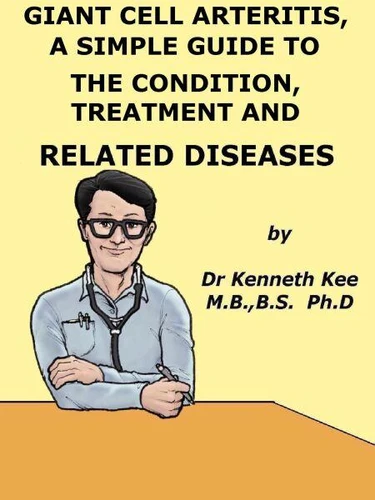
Giant Cell Arteritis, A Simple Guide To The Condition, Treatment And Related Diseases
Par :Formats :
Disponible dans votre compte client Decitre ou Furet du Nord dès validation de votre commande. Le format ePub est :
- Compatible avec une lecture sur My Vivlio (smartphone, tablette, ordinateur)
- Compatible avec une lecture sur liseuses Vivlio
- Pour les liseuses autres que Vivlio, vous devez utiliser le logiciel Adobe Digital Edition. Non compatible avec la lecture sur les liseuses Kindle, Remarkable et Sony
 , qui est-ce ?
Notre partenaire de plateforme de lecture numérique où vous retrouverez l'ensemble de vos ebooks gratuitement
Pour en savoir plus sur nos ebooks, consultez notre aide en ligne ici
C'est si simple ! Lisez votre ebook avec l'app Vivlio sur votre tablette, mobile ou ordinateur :

- FormatePub
- ISBN978-1-310-95656-0
- EAN9781310956560
- Date de parution18/12/2014
- Protection num.pas de protection
- Infos supplémentairesepub
- ÉditeurJPCA
Résumé
Giant Cell Arteritis is an inflammatory syndrome of cranial arteriesIt causes reddening and tenderness around the temporal arteries of the body. It may be part of the polymyalgia rheumatica syndromeIt can also affect the nerves and give rise to the skin symptomSymptoms often include fever, a general feeling of malaiseThe most common symptom is the one sided or bilateral headacheGiant Cell Arteritis can cause visual impairment and blindness.
Physical examination show presence of jaw claudication and tendernessGCA is diagnosed with a raised ESR and CRP and evidence of vasculitisPolymyalgia rheumatica is also associated with Giant cell arteritisDiagnosis of GCA is the presence of abnormal giant cells in temporal artery biopsyTreatment is usually with corticosteroids or immunosuppressant therapy-An original poem by Kenneth KeeInteresting Tips about the Giant Cell ArteritisA Healthy Lifestyle1.
Take a well Balanced Diet2. Prompt medical action is important as untreated temporal arteritis can progress to the ophthalmic artery which supplies blood to the retina of the eye.a. High dose corticosteroids prednisolone by mouth daily.b. Dosage of corticosteroids can be reduced 2-3 weeks after symptoms disappearc. Maintenance dose of corticosteroids should be continues for six to eight monthsHeadache is a fairly common complaint in any family doctor clinic.
It is important to treat for nausea, vomiting, stiffness of the neck, fits, stress, lack of sleep, flashes of light in the eyes, and weakness of one side of the body. The doctor should always treat for any high fever (one of the common causes) and high blood pressure. Prognosis is good with prompt onset of corticosteroids treatment before loss of visionLoss of vision is irreversible once it occurred3.
Keep bones and body strongBone marrow produces our bloodEat foods rich in calcium like yogurt, cheese, milk, and dark green vegetables. Eat foods rich in Vitamin D, like eggs, fatty fish, cereal, and fortified milk. Eat food rich in Vitamins B and C such as green vegetables and fruitsZinc and other minerals are important to the body4. Get enough rest and SleepAvoid stress and tension5. Exercise and stay active.
It is best to do weight-bearing exercise such as walking, jogging, stair climbing, dancing, or lifting weights for 2oe hours a week. One way to do this is to be active 30 minutes a day at least 5 days a week. Begin slowly especially if a person has not been active.6. Do not drink more than 2 alcohol drinks a day for a man or 1 alcohol drink a day for a woman. Alcohol use also increases the chance of falling and breaking a bone.
Alcohol can affect the neurons and brain cells.7. Stop or do not begin smoking. It also interferes with blood supply and healing. Chapter 1Giant Cell ArteritisWhat is Giant Cell Arteritis?Giant Cell Arteritis or Temporal Arteritis is an inflammatory syndrome of cranial arteries especially the temporal artery. It causes reddening and tenderness around the blood vessels or a dull ache on the temporal sides of the head.
It may be associated with blindness and may be part of the polymyalgia rheumatica syndrome. It usually affects middle aged or older people. It is rare under the age of 50 years. Women are more affected than men. There is inflammation of all layers of medium sized arteries within the carotid distribution occasionally elsewhere. TABLE OF CONTENTIntroductionChapter 1 Giant Cell ArteritisChapter 2 More Facts about Giant Cell ArteritisChapter 3 Treatment of Giant ...
Physical examination show presence of jaw claudication and tendernessGCA is diagnosed with a raised ESR and CRP and evidence of vasculitisPolymyalgia rheumatica is also associated with Giant cell arteritisDiagnosis of GCA is the presence of abnormal giant cells in temporal artery biopsyTreatment is usually with corticosteroids or immunosuppressant therapy-An original poem by Kenneth KeeInteresting Tips about the Giant Cell ArteritisA Healthy Lifestyle1.
Take a well Balanced Diet2. Prompt medical action is important as untreated temporal arteritis can progress to the ophthalmic artery which supplies blood to the retina of the eye.a. High dose corticosteroids prednisolone by mouth daily.b. Dosage of corticosteroids can be reduced 2-3 weeks after symptoms disappearc. Maintenance dose of corticosteroids should be continues for six to eight monthsHeadache is a fairly common complaint in any family doctor clinic.
It is important to treat for nausea, vomiting, stiffness of the neck, fits, stress, lack of sleep, flashes of light in the eyes, and weakness of one side of the body. The doctor should always treat for any high fever (one of the common causes) and high blood pressure. Prognosis is good with prompt onset of corticosteroids treatment before loss of visionLoss of vision is irreversible once it occurred3.
Keep bones and body strongBone marrow produces our bloodEat foods rich in calcium like yogurt, cheese, milk, and dark green vegetables. Eat foods rich in Vitamin D, like eggs, fatty fish, cereal, and fortified milk. Eat food rich in Vitamins B and C such as green vegetables and fruitsZinc and other minerals are important to the body4. Get enough rest and SleepAvoid stress and tension5. Exercise and stay active.
It is best to do weight-bearing exercise such as walking, jogging, stair climbing, dancing, or lifting weights for 2oe hours a week. One way to do this is to be active 30 minutes a day at least 5 days a week. Begin slowly especially if a person has not been active.6. Do not drink more than 2 alcohol drinks a day for a man or 1 alcohol drink a day for a woman. Alcohol use also increases the chance of falling and breaking a bone.
Alcohol can affect the neurons and brain cells.7. Stop or do not begin smoking. It also interferes with blood supply and healing. Chapter 1Giant Cell ArteritisWhat is Giant Cell Arteritis?Giant Cell Arteritis or Temporal Arteritis is an inflammatory syndrome of cranial arteries especially the temporal artery. It causes reddening and tenderness around the blood vessels or a dull ache on the temporal sides of the head.
It may be associated with blindness and may be part of the polymyalgia rheumatica syndrome. It usually affects middle aged or older people. It is rare under the age of 50 years. Women are more affected than men. There is inflammation of all layers of medium sized arteries within the carotid distribution occasionally elsewhere. TABLE OF CONTENTIntroductionChapter 1 Giant Cell ArteritisChapter 2 More Facts about Giant Cell ArteritisChapter 3 Treatment of Giant ...
A propos de Kenneth Kee

4,49 €