SOLDES
Jusqu'à -70% sur une sélection d'articles*

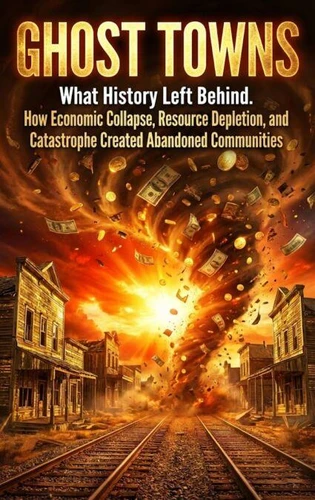
Ghost Towns: What History Left Behind. How Economic Collapse, Resource Depletion, and Catastrophe Created Abandoned Communities
Par :Formats :
Disponible dans votre compte client Decitre ou Furet du Nord dès validation de votre commande. Le format ePub est :
- Compatible avec une lecture sur My Vivlio (smartphone, tablette, ordinateur)
- Compatible avec une lecture sur liseuses Vivlio
- Pour les liseuses autres que Vivlio, vous devez utiliser le logiciel Adobe Digital Edition. Non compatible avec la lecture sur les liseuses Kindle, Remarkable et Sony
 , qui est-ce ?
Notre partenaire de plateforme de lecture numérique où vous retrouverez l'ensemble de vos ebooks gratuitement
Pour en savoir plus sur nos ebooks, consultez notre aide en ligne ici
C'est si simple ! Lisez votre ebook avec l'app Vivlio sur votre tablette, mobile ou ordinateur :

- Nombre de pages223
- FormatePub
- ISBN978-3-565-25278-7
- EAN9783565252787
- Date de parution16/02/2026
- Protection num.pas de protection
- Taille2 Mo
- Infos supplémentairesepub
- ÉditeurEmphaloz Publishing House
Résumé
Towns that once thrived as economic centers, mining camps, or agricultural communities now stand abandoned-silent testimony to boom-bust cycles, environmental limits, and the fragility of human settlement patterns. This exploration examines ghost towns across continents and centuries, using census records, property documents, and archaeological surveys to reconstruct why communities flourished briefly before residents departed, leaving physical structures to decay.
From California gold rush camps to Namibian diamond towns, from abandoned Soviet industrial cities to depopulated medieval villages, discover the common patterns underlying urban abandonment.
Examine how resource depletion ended mining communities overnight, how transportation route changes doomed commercial centers, how agricultural failure forced mass migration, how industrial automation eliminated entire working populations, how environmental disasters made settlements uninhabitable. Documentary evidence-newspapers from final years, bankruptcy proceedings, migration records, government abandonment orders-captures communities' decline from residents' perspectives.
Archaeological investigations of abandoned structures reveal material culture left behind when departure became urgent, providing insight into daily life during terminal phases that official records sanitized or ignored. Each case study analyzes specific abandonment causes and their broader implications. Understand how economic dependence on single industries created vulnerability, how environmental degradation accelerated decline, how social infrastructure collapsed once population fell below critical thresholds, and how these patterns recur across different historical periods and geographic contexts, offering cautionary lessons about sustainable settlement.
Examine how resource depletion ended mining communities overnight, how transportation route changes doomed commercial centers, how agricultural failure forced mass migration, how industrial automation eliminated entire working populations, how environmental disasters made settlements uninhabitable. Documentary evidence-newspapers from final years, bankruptcy proceedings, migration records, government abandonment orders-captures communities' decline from residents' perspectives.
Archaeological investigations of abandoned structures reveal material culture left behind when departure became urgent, providing insight into daily life during terminal phases that official records sanitized or ignored. Each case study analyzes specific abandonment causes and their broader implications. Understand how economic dependence on single industries created vulnerability, how environmental degradation accelerated decline, how social infrastructure collapsed once population fell below critical thresholds, and how these patterns recur across different historical periods and geographic contexts, offering cautionary lessons about sustainable settlement.
A propos de Sarah Whitfield












8,99 €