SOLDES
Jusqu'à -70% sur une sélection d'articles*

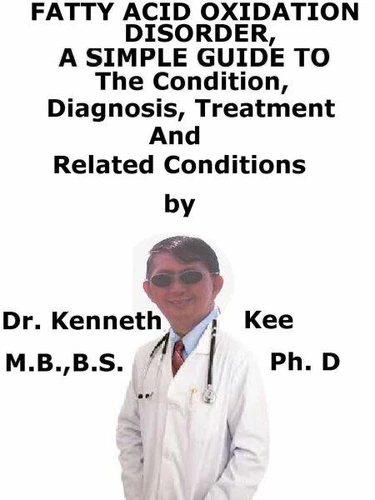
Fatty Acid Oxidation Disorders, A Simple Guide To The Condition, Diagnosis, Treatment And Related Conditions
Par :Formats :
Disponible dans votre compte client Decitre ou Furet du Nord dès validation de votre commande. Le format ePub est :
- Compatible avec une lecture sur My Vivlio (smartphone, tablette, ordinateur)
- Compatible avec une lecture sur liseuses Vivlio
- Pour les liseuses autres que Vivlio, vous devez utiliser le logiciel Adobe Digital Edition. Non compatible avec la lecture sur les liseuses Kindle, Remarkable et Sony
 , qui est-ce ?
Notre partenaire de plateforme de lecture numérique où vous retrouverez l'ensemble de vos ebooks gratuitement
Pour en savoir plus sur nos ebooks, consultez notre aide en ligne ici
C'est si simple ! Lisez votre ebook avec l'app Vivlio sur votre tablette, mobile ou ordinateur :

- FormatePub
- ISBN978-0-463-83999-7
- EAN9780463839997
- Date de parution10/12/2019
- Protection num.pas de protection
- Infos supplémentairesepub
- ÉditeurBluewater
Résumé
This book describes Fatty Acid Oxidation Disorders, Diagnosis and Treatment and Related DiseasesFatty acid oxidation disorders (FODs) are a cluster of genetic metabolic disorders that are featured by the abnormal breakdown of fatty acids to energy in the body. This process needs fat and oxygen, and is termed fatty acid oxidation. It is the same as burning fuel in a fireplace but instead of heat, the body forms chemical energy by this method of fat burning.
Due to the inherited mutation or FOD, affected persons cannot burn fats successfully for energy production. Storage fat is the second energy supply for the body (the first is glucose or sugar). When the glucose is used up, the body breaks down storage fat for energy. Any inability to metabolize fatty acids absolutely due to an inherited blockage in the energy production pathway leads to the collection of the unused fat by-products toxic to the body.
A number of enzymes are required to break down fats in the body (a process called fatty acid oxidation). Problems with any of these enzymes can produce a fatty acid oxidation disorder. People with FODs cannot properly break down fat from either the food they eat or from fat stored in their bodies. The FODs comprise many different disorders such as:1. Disorders of plasma membrane functionsCarnitine uptake defectLong chain fatty acid transport/binding defect2.
Disorders of fatty acid transport across the mitochondrial membranesPrimary carnitine deficiency CPT syndromesCPT1 and 2 deficienciesCACT deficiency3. Disorders of long chain fatty acid ?-oxidation:Very long chain acyl-CoA dehydrogenase (VLCAD) deficiency, Tri-functional protein deficiency, isolated long-chain L3-hydroxyl-CoA dehydrogenase deficiency, 4. Disorders of Medium chain fatty acid ?-oxidation:Medium chain acyl-CoA dehydrogenase (MCAD) deficiency, Medium- and short-chain L3-hydroxyl-CoA dehydrogenase deficiencyMedium-chain 3-ketoacyl-CoA thiolase deficiency5.
Disorders of short chain fatty acid ?-oxidation:Short chain acyl-CoA dehydrogenase (SCAD) deficiencyFatty acids indicates an important source of energy in periods of catabolic stress linked to increased muscular activity, fasting or febrile illness, where as much as 80% of the energy for the heart, skeletal muscles and liver could be obtained from themThe symptoms of FODs are linked to the poor energy production and the effects of the toxic buildup of waste products and, depending on the medical needs for energy, can fluctuate widely even among members of the same family.
There may be a range of medical manifestations ranging from:1. Mild liver dysfunction, 2. Cardiomyopathy and3. Skeletal myopathy to4. Severe liver disease that may present with a recurrent Reye-like syndrome starting in the infantile period with hepatic steatosis, 5. Unexplained hepatic failure and6. Non-ketotic hypoglycemia. Stressors such as fasting may exacerbate the hepatic disease. Episodes of hypoglycemia can happen with or without other symptoms.
Hypoglycemia can induce a child to feel weak, shaky or giddy with cold clammy skin. If not treated, it can lead to coma, and possibly death. The main laboratory studies are routine labs (CBC, BMP, hepatic panel, ammonia, lactate and CPK), acylcarnitine levels, MS/MS analysis of organic acids, plasma carnitine, acylcarnitines and urine acylglycine analysis, with a definitive diagnosis based on mutation analysis or measurement of specific enzyme activity.
A low fat, high carbohydrate diet is recommended. Dietary fat restriction is not indicated in MCAD deficiency and mild long-chain FODs recently identified by newborn screening. New treatments are:UX007REN001bezafibrateTABLE OF CONTENTIntroductionChapter 1 Fatty Acid Oxidation DisordersChapter 2 CausesChap...
Due to the inherited mutation or FOD, affected persons cannot burn fats successfully for energy production. Storage fat is the second energy supply for the body (the first is glucose or sugar). When the glucose is used up, the body breaks down storage fat for energy. Any inability to metabolize fatty acids absolutely due to an inherited blockage in the energy production pathway leads to the collection of the unused fat by-products toxic to the body.
A number of enzymes are required to break down fats in the body (a process called fatty acid oxidation). Problems with any of these enzymes can produce a fatty acid oxidation disorder. People with FODs cannot properly break down fat from either the food they eat or from fat stored in their bodies. The FODs comprise many different disorders such as:1. Disorders of plasma membrane functionsCarnitine uptake defectLong chain fatty acid transport/binding defect2.
Disorders of fatty acid transport across the mitochondrial membranesPrimary carnitine deficiency CPT syndromesCPT1 and 2 deficienciesCACT deficiency3. Disorders of long chain fatty acid ?-oxidation:Very long chain acyl-CoA dehydrogenase (VLCAD) deficiency, Tri-functional protein deficiency, isolated long-chain L3-hydroxyl-CoA dehydrogenase deficiency, 4. Disorders of Medium chain fatty acid ?-oxidation:Medium chain acyl-CoA dehydrogenase (MCAD) deficiency, Medium- and short-chain L3-hydroxyl-CoA dehydrogenase deficiencyMedium-chain 3-ketoacyl-CoA thiolase deficiency5.
Disorders of short chain fatty acid ?-oxidation:Short chain acyl-CoA dehydrogenase (SCAD) deficiencyFatty acids indicates an important source of energy in periods of catabolic stress linked to increased muscular activity, fasting or febrile illness, where as much as 80% of the energy for the heart, skeletal muscles and liver could be obtained from themThe symptoms of FODs are linked to the poor energy production and the effects of the toxic buildup of waste products and, depending on the medical needs for energy, can fluctuate widely even among members of the same family.
There may be a range of medical manifestations ranging from:1. Mild liver dysfunction, 2. Cardiomyopathy and3. Skeletal myopathy to4. Severe liver disease that may present with a recurrent Reye-like syndrome starting in the infantile period with hepatic steatosis, 5. Unexplained hepatic failure and6. Non-ketotic hypoglycemia. Stressors such as fasting may exacerbate the hepatic disease. Episodes of hypoglycemia can happen with or without other symptoms.
Hypoglycemia can induce a child to feel weak, shaky or giddy with cold clammy skin. If not treated, it can lead to coma, and possibly death. The main laboratory studies are routine labs (CBC, BMP, hepatic panel, ammonia, lactate and CPK), acylcarnitine levels, MS/MS analysis of organic acids, plasma carnitine, acylcarnitines and urine acylglycine analysis, with a definitive diagnosis based on mutation analysis or measurement of specific enzyme activity.
A low fat, high carbohydrate diet is recommended. Dietary fat restriction is not indicated in MCAD deficiency and mild long-chain FODs recently identified by newborn screening. New treatments are:UX007REN001bezafibrateTABLE OF CONTENTIntroductionChapter 1 Fatty Acid Oxidation DisordersChapter 2 CausesChap...
A propos de Kenneth Kee
4,49 €