SOLDES
Jusqu'à -70% sur une sélection d'articles*

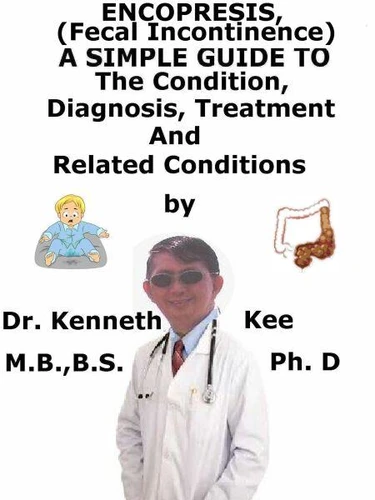
Encopresis, (Fecal Incontinence) A Simple Guide To The Condition, Diagnosis, Treatment And Related Conditions
Par :Formats :
Disponible dans votre compte client Decitre ou Furet du Nord dès validation de votre commande. Le format ePub est :
- Compatible avec une lecture sur My Vivlio (smartphone, tablette, ordinateur)
- Compatible avec une lecture sur liseuses Vivlio
- Pour les liseuses autres que Vivlio, vous devez utiliser le logiciel Adobe Digital Edition. Non compatible avec la lecture sur les liseuses Kindle, Remarkable et Sony
 , qui est-ce ?
Notre partenaire de plateforme de lecture numérique où vous retrouverez l'ensemble de vos ebooks gratuitement
Pour en savoir plus sur nos ebooks, consultez notre aide en ligne ici
C'est si simple ! Lisez votre ebook avec l'app Vivlio sur votre tablette, mobile ou ordinateur :

- FormatePub
- ISBN978-1-005-91909-2
- EAN9781005919092
- Date de parution08/03/2021
- Protection num.pas de protection
- Infos supplémentairesepub
- ÉditeurC. C. Chamberlane
Résumé
This book describes Encopresis (Fecal Incontinence), Diagnosis and Treatment and Related DiseasesThey seek it here, they seek it thereThe Feces seek the potty or loo everywhereIs it in heaven or in purgatoryThat elusive lavatoryFecal incontinenceFecal incontinence is the inability to control bowel movementsFecal incontinence can often be eliminated by proper treatmentFirst there must be mental ability to respond to the urge to have a bowel movementThe doctor should begin by identifying the cause of the incontinence.
Fecal incontinence can be upsetting and embarrassing, Passing stool into one's underwear without being aware of it happeningFecal incontinence may be due to constipation. Take fiber and fluid to prevent further fecal impactionChanging the diet may reduce the occurrence of fecal incontinenceKegel Exercises can help the person move abnormal bowel functionBowel training involves trying to have bowel movementsThe body becomes used to a bowel movement consistenceMedications such as loperamide (Imodium) may be used to control the diarrheaSacral nerve stimulation can be done under local anesthesiaSome patients may be treated with an artificial bowel sphincterExercise the anal sphincter sitting in a few inches of warm water-An original poem by Kenneth KeeEncopresis is the voluntary or involuntary passage of feces outside of toilet trained situations in children who are 4 years or older and after a natural cause has been excluded.
Encopresis may be the repeated passing of feces into places other than the toilet, such as in underwear or on the floor. This behavior is (voluntary encopresis) or is not (involuntary encopresis) done on purpose. Encopresis is also termed "soiling" or "fecal incontinence."Encopresis in adults in not infrequent, although the incident of this disorder is more prevalent in children who are not toilet trained.
The causative factors in adults and children may differ. Involuntary encopresis is a disorder of soiling the underwear with loose stool in a constipated person. Adults suffering from chronic constipation may occasionally develop this annoying disorder. When a patient is constipated, a large mass of feces forms, which stretches the rectum. This stretching numbs the nerve endings in the rectum, and the patient may not feel the need to go to the bathroom or know that the feces are coming out.
The mass of feces also can become impacted too large or too hard to pass without pain. Ultimately, the muscles that keep stool in the rectum can no longer keep it back. While the large, hard mass of feces cannot pass, loose or liquid stool may leak around the impacted mass and go on to the patient's clothing. There are 2 main types of encopresis with different causes. With involuntary encopresis, a person has no control over removal of feces from the bowel.
The feces are semi-soft to almost liquid, and it leaks into clothing without the person making any effort to force it out. Leakage normally happens during the day when the person is active and varies from rare to frequent. Involuntary soiling normally happens from constipation. A person with voluntary encopresis has control over when and where bowel movements happen and opts to have them in inappropriate places.
Constipation is not a factor, and the feces are usually a normal consistency. Voluntary encopresis is not true fecal incontinence. Often feces are smeared in an obvious place or hidden around the house. The purpose of encopresis treatment is to avoid constipation and encourage good bowel habits. The next step is to attempt to keep the patient's bowel movements soft and easy to pass....
Fecal incontinence can be upsetting and embarrassing, Passing stool into one's underwear without being aware of it happeningFecal incontinence may be due to constipation. Take fiber and fluid to prevent further fecal impactionChanging the diet may reduce the occurrence of fecal incontinenceKegel Exercises can help the person move abnormal bowel functionBowel training involves trying to have bowel movementsThe body becomes used to a bowel movement consistenceMedications such as loperamide (Imodium) may be used to control the diarrheaSacral nerve stimulation can be done under local anesthesiaSome patients may be treated with an artificial bowel sphincterExercise the anal sphincter sitting in a few inches of warm water-An original poem by Kenneth KeeEncopresis is the voluntary or involuntary passage of feces outside of toilet trained situations in children who are 4 years or older and after a natural cause has been excluded.
Encopresis may be the repeated passing of feces into places other than the toilet, such as in underwear or on the floor. This behavior is (voluntary encopresis) or is not (involuntary encopresis) done on purpose. Encopresis is also termed "soiling" or "fecal incontinence."Encopresis in adults in not infrequent, although the incident of this disorder is more prevalent in children who are not toilet trained.
The causative factors in adults and children may differ. Involuntary encopresis is a disorder of soiling the underwear with loose stool in a constipated person. Adults suffering from chronic constipation may occasionally develop this annoying disorder. When a patient is constipated, a large mass of feces forms, which stretches the rectum. This stretching numbs the nerve endings in the rectum, and the patient may not feel the need to go to the bathroom or know that the feces are coming out.
The mass of feces also can become impacted too large or too hard to pass without pain. Ultimately, the muscles that keep stool in the rectum can no longer keep it back. While the large, hard mass of feces cannot pass, loose or liquid stool may leak around the impacted mass and go on to the patient's clothing. There are 2 main types of encopresis with different causes. With involuntary encopresis, a person has no control over removal of feces from the bowel.
The feces are semi-soft to almost liquid, and it leaks into clothing without the person making any effort to force it out. Leakage normally happens during the day when the person is active and varies from rare to frequent. Involuntary soiling normally happens from constipation. A person with voluntary encopresis has control over when and where bowel movements happen and opts to have them in inappropriate places.
Constipation is not a factor, and the feces are usually a normal consistency. Voluntary encopresis is not true fecal incontinence. Often feces are smeared in an obvious place or hidden around the house. The purpose of encopresis treatment is to avoid constipation and encourage good bowel habits. The next step is to attempt to keep the patient's bowel movements soft and easy to pass....
A propos de Kenneth Kee


4,49 €