SOLDES
Jusqu'à -70% sur une sélection d'articles*

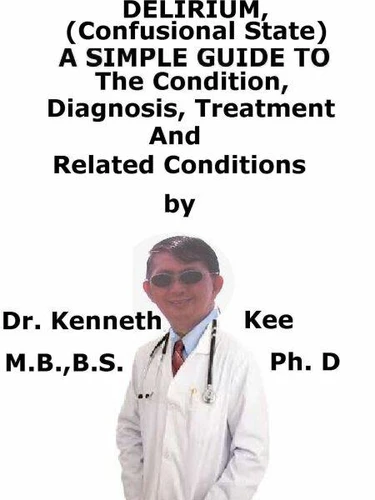
Delirium, (Confusional State) A Simple Guide To The Condition, Diagnosis, Treatment And Related Conditions
Par :Formats :
Disponible dans votre compte client Decitre ou Furet du Nord dès validation de votre commande. Le format ePub est :
- Compatible avec une lecture sur My Vivlio (smartphone, tablette, ordinateur)
- Compatible avec une lecture sur liseuses Vivlio
- Pour les liseuses autres que Vivlio, vous devez utiliser le logiciel Adobe Digital Edition. Non compatible avec la lecture sur les liseuses Kindle, Remarkable et Sony
 , qui est-ce ?
Notre partenaire de plateforme de lecture numérique où vous retrouverez l'ensemble de vos ebooks gratuitement
Pour en savoir plus sur nos ebooks, consultez notre aide en ligne ici
C'est si simple ! Lisez votre ebook avec l'app Vivlio sur votre tablette, mobile ou ordinateur :

- FormatePub
- ISBN978-0-463-81837-4
- EAN9780463818374
- Date de parution10/06/2018
- Protection num.pas de protection
- Infos supplémentairesepub
- ÉditeurBluewater
Résumé
This book describes the Delirium, Diagnosis, Treatment and Related ConditionsI was going to write about confusion (like how blurred a person) but apparently delirium also has the same connotation but more severe. Delirium is a medical disorder which causes sudden severe confusion due to rapid changes in brain function that occurs with physical or mental illness. CausesDelirium has most frequently been the result of physical or mental illness, and is usually temporary and reversible.
Many illnesses cause delirium. The medical disorders are those that do not permit the brain to get sufficient oxygen or other substances. Causes are:1. Alcohol or sedative drug withdrawal2. Drug abuse3. Electrolyte or other body chemical disturbances4. Infections such as urinary tract infections or pneumonia (more likely in people who already have brain damage from stroke or dementia)5. Poisons6. SurgerySymptomsThe common signs of delirium are the decreased attention span and a waxing and waning form of confusion.
A rapid change between mental conditions (for example, from lethargy to agitation and back to lethargy) also occurs in delirium. Symptoms are:1. Clouding of consciousness or awareness2. Difficulty maintaining or shifting attention (typically more alert in the morning, less attentive at night)3. Confusion (disorientation) about time or place4. Illusions - Changes in feeling (sensation) and perception5.
Hallucinations6. Fluctuating levels of consciousness - Changes in level of consciousness7. Dysphasia8. Dysarthria - Disorganized thinking, such as talking in a way that does not make sense9. Tremor - Movements triggered by changes in the nervous system10. Asterixis in hepatic encephalopathy and uremia11. Motor abnormalities - (may be slow moving or hyperactive)12. Problem concentrating13. Decrease in short-term memory and recall14.
Emotional or personality changes, such as agitation, anger, irritability, depression, overly happy15. Changes in sleep patterns, drowsiness16. IncontinenceDiagnosis:The diagnosis of delirium is clinical. There is no laboratory test that can confirm a diagnosis of delirium. Identification of delirium is by:1. Confusion Assessment Method (CAM)2. Delirium Symptom Interview (DSI)3. Confusion Assessment Method for the Intensive Care Unit (CAM-ICU)4.
Intensive Care Delirium Screening Checklist (ICDSC)The severity of delirium symptom can be checked by the Delirium Detection Scale (DDS) and the Memorial Delirium Assessment Scale (MDAS). Many of the tests done may have abnormal results:TreatmentThe purpose of treatment is to control or reverse the cause of the symptoms. The patient may be required to stay in the hospital for a short period. Cessation or change of medications that make confusion worse may help to improve the mental function.
Medical disorders that make the confusion worse should be treated:1. Anemia2. Decreased oxygen (hypoxia)3. Heart failure4. High carbon dioxide levels (hypercapnia)5. Infections6. Kidney and liver failure7. Nutritional disorders8. Psychiatric conditions (such as depression)TABLE OF CONTENTIntroductionChapter 1 DeliriumChapter 2 CausesChapter 3 SymptomsChapter 4 DiagnosisChapter 5 TreatmentChapter 6 PrognosisChapter 7 ConfusionChapter 8 DementiaEpilogue
Many illnesses cause delirium. The medical disorders are those that do not permit the brain to get sufficient oxygen or other substances. Causes are:1. Alcohol or sedative drug withdrawal2. Drug abuse3. Electrolyte or other body chemical disturbances4. Infections such as urinary tract infections or pneumonia (more likely in people who already have brain damage from stroke or dementia)5. Poisons6. SurgerySymptomsThe common signs of delirium are the decreased attention span and a waxing and waning form of confusion.
A rapid change between mental conditions (for example, from lethargy to agitation and back to lethargy) also occurs in delirium. Symptoms are:1. Clouding of consciousness or awareness2. Difficulty maintaining or shifting attention (typically more alert in the morning, less attentive at night)3. Confusion (disorientation) about time or place4. Illusions - Changes in feeling (sensation) and perception5.
Hallucinations6. Fluctuating levels of consciousness - Changes in level of consciousness7. Dysphasia8. Dysarthria - Disorganized thinking, such as talking in a way that does not make sense9. Tremor - Movements triggered by changes in the nervous system10. Asterixis in hepatic encephalopathy and uremia11. Motor abnormalities - (may be slow moving or hyperactive)12. Problem concentrating13. Decrease in short-term memory and recall14.
Emotional or personality changes, such as agitation, anger, irritability, depression, overly happy15. Changes in sleep patterns, drowsiness16. IncontinenceDiagnosis:The diagnosis of delirium is clinical. There is no laboratory test that can confirm a diagnosis of delirium. Identification of delirium is by:1. Confusion Assessment Method (CAM)2. Delirium Symptom Interview (DSI)3. Confusion Assessment Method for the Intensive Care Unit (CAM-ICU)4.
Intensive Care Delirium Screening Checklist (ICDSC)The severity of delirium symptom can be checked by the Delirium Detection Scale (DDS) and the Memorial Delirium Assessment Scale (MDAS). Many of the tests done may have abnormal results:TreatmentThe purpose of treatment is to control or reverse the cause of the symptoms. The patient may be required to stay in the hospital for a short period. Cessation or change of medications that make confusion worse may help to improve the mental function.
Medical disorders that make the confusion worse should be treated:1. Anemia2. Decreased oxygen (hypoxia)3. Heart failure4. High carbon dioxide levels (hypercapnia)5. Infections6. Kidney and liver failure7. Nutritional disorders8. Psychiatric conditions (such as depression)TABLE OF CONTENTIntroductionChapter 1 DeliriumChapter 2 CausesChapter 3 SymptomsChapter 4 DiagnosisChapter 5 TreatmentChapter 6 PrognosisChapter 7 ConfusionChapter 8 DementiaEpilogue
A propos de Kenneth Kee


4,49 €