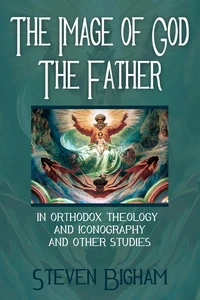
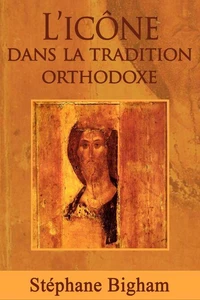
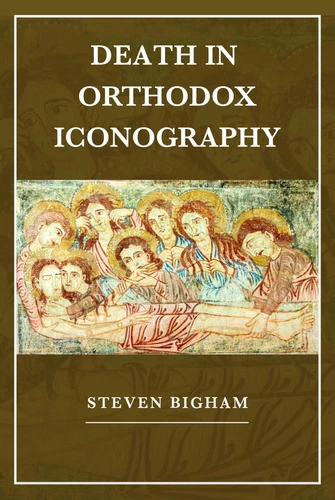
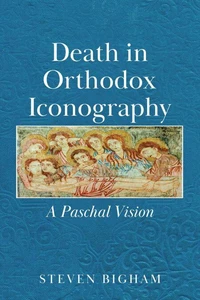
In contrast to Renaissance religious paintings, for example, traditional, canonical icons show people and events in a Light different from the natural light of this world. In order to make such a distinction clear, this PowerPoint presentation, transformed into an ebook, first of all, defines Orthodox Christian iconography as a theological art which manifests the vision of salvation as seen by Christian Orthodoxy.
It is important to understand what that vision is, so secondly this book presents that vision in words and images. In the next section are discussed two general principles for representing death in icons. Then, the Divine Darkness 1, the darkness of death 2 and the Divine Light, Energies are pointed out in individual icons. Moving on, the author sets out his conception of a common artistic, theological tradition, in different styles, that was shared by all Christians up to the Renaissance when Western Christian images began to drift toward realism and naturalism.
People and events in salvation history were presented in the natural light of our world while canonical icons, however, remained faithful to the older tradition. The drift is demonstrated through the use of nine techniques introduced into Renaissance and subsequent art as shown in individual paintings. Orthodox iconographers, feeling the pull of the new Renaissance vision and techniques, adopted them into their icons thus denaturing the common tradition Christians had shared for many centuries, but these artists, in fact, created hybrid images, neither really icons nor really Renaissance images.
The ebook ends by drawing attention to the reintroduction of traditional, canonical icons into Orthodox churches and to how that renewal is continuing today.
In contrast to Renaissance religious paintings, for example, traditional, canonical icons show people and events in a Light different from the natural light of this world. In order to make such a distinction clear, this PowerPoint presentation, transformed into an ebook, first of all, defines Orthodox Christian iconography as a theological art which manifests the vision of salvation as seen by Christian Orthodoxy.
It is important to understand what that vision is, so secondly this book presents that vision in words and images. In the next section are discussed two general principles for representing death in icons. Then, the Divine Darkness 1, the darkness of death 2 and the Divine Light, Energies are pointed out in individual icons. Moving on, the author sets out his conception of a common artistic, theological tradition, in different styles, that was shared by all Christians up to the Renaissance when Western Christian images began to drift toward realism and naturalism.
People and events in salvation history were presented in the natural light of our world while canonical icons, however, remained faithful to the older tradition. The drift is demonstrated through the use of nine techniques introduced into Renaissance and subsequent art as shown in individual paintings. Orthodox iconographers, feeling the pull of the new Renaissance vision and techniques, adopted them into their icons thus denaturing the common tradition Christians had shared for many centuries, but these artists, in fact, created hybrid images, neither really icons nor really Renaissance images.
The ebook ends by drawing attention to the reintroduction of traditional, canonical icons into Orthodox churches and to how that renewal is continuing today.

 , qui est-ce ?