SOLDES
Jusqu'à -70% sur une sélection d'articles*

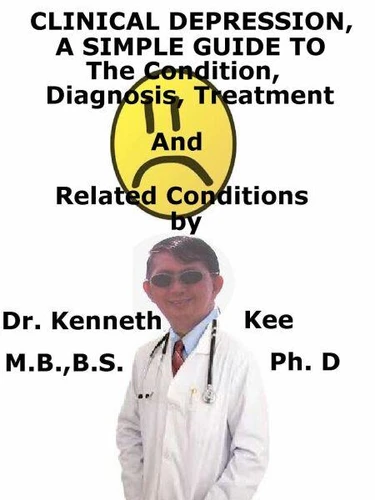
Clinical Depression, A Simple Guide To The Condition, Diagnosis, Treatment And Related Conditions
Par :Formats :
Disponible dans votre compte client Decitre ou Furet du Nord dès validation de votre commande. Le format ePub est :
- Compatible avec une lecture sur My Vivlio (smartphone, tablette, ordinateur)
- Compatible avec une lecture sur liseuses Vivlio
- Pour les liseuses autres que Vivlio, vous devez utiliser le logiciel Adobe Digital Edition. Non compatible avec la lecture sur les liseuses Kindle, Remarkable et Sony
 , qui est-ce ?
Notre partenaire de plateforme de lecture numérique où vous retrouverez l'ensemble de vos ebooks gratuitement
Pour en savoir plus sur nos ebooks, consultez notre aide en ligne ici
C'est si simple ! Lisez votre ebook avec l'app Vivlio sur votre tablette, mobile ou ordinateur :

- FormatePub
- ISBN978-1-370-74671-2
- EAN9781370746712
- Date de parution04/10/2016
- Protection num.pas de protection
- Infos supplémentairesepub
- ÉditeurEditeurs divers USA
Résumé
Clinical Depression is a medical mood disorder that produces persistent feelings of sadness, persistent loss, emptiness, sadness and loss of interest or frustration that may interfere with everyday life for at least 2 weeks or longer. Also called major depressive disorder or unipolar depression, it affects how the patient feels, think and behave and can result in a range of emotional and physical disorders.
The patient may have trouble doing normal day-to-day activities, and sometimes the patient may feel as if life is not worth living. More than just a bout of the blues, depression is not a flaw and the patient cannot simply break out of it. Clinical Depression may necessitate long-term treatment. There are 3 main forms of Depression:1. Major depression (also clinical depression) is typically featured by a combination of symptoms that last for at least two weeks in a row, such as miserable and ill-tempered mood that get in the way with the ability to work, sleep, eat, and enjoy activities which used to give enjoyment.
There may be problems in sleeping or eating.2. Dysthymia is a less serious illness but normally longer-lasting form of depression than major depression (2 years or more). It affects long-term manifestations that do not stop but at the same time stop the affected person from functioning properly or feeling good. People with dysthymia can also have events of major depression. This combination of these two forms of depression is often termed as double-depression.3.
Bipolar disorder (manic depression) includes a set of mood swing disorders that were previously called manic-depressive illness or manic depression. Bipolar disorders have cycles of mood swings that consist of at least one event of mania or hypomania and events of depression as well. People with depression seem to have physical alterations in their brains. Neurotransmitters are normally happening brain chemicals that tend play a part in depressionHormone alterations can occur with pregnancy and during the weeks or months following delivery (postpartum) and from thyroid disorders, menopauseThe symptoms are:1.
Loss of sex drive, 2. Sexual problems, 3. Infertility, 4. Uncontrollable weight gain and5. Feeling low, 6. Depressed and7. Even suicidal. The important treatments for depression are:1. Medicines called antidepressants2. Talk therapy, called psychotherapyElectroconvulsive therapy (ECT) and Transcranial magnetic stimulation (TMS) may be used if medicines and talk therapy do not work. Every one has been sad or moody at one time or other for a short period in his or her life time.
Great leaders such as Winston Churchill have suffered depression. Even writing this book about depression made me depressed. A person with Depression may be described as feeling:1. Persistent sad, 2. Empty, 3. Unhappy, 4. Miserable5. The blues6. Down in the dumps. One of my patients whenever she has depressive episodes also hides in her room and covers her blanket over herself. She cries and feels sad whenever she is depressed.
She has no appetite for food. TABLE OF CONTENTIntroductionChapter 1 Clinical DepressionChapter 2 CausesChapter 3 SymptomsChapter 4 DiagnosisChapter 5 TreatmentChapter 6 PrognosisChapter 7 Bipolar DisorderChapter 8 Panic AttackEpilogue
The patient may have trouble doing normal day-to-day activities, and sometimes the patient may feel as if life is not worth living. More than just a bout of the blues, depression is not a flaw and the patient cannot simply break out of it. Clinical Depression may necessitate long-term treatment. There are 3 main forms of Depression:1. Major depression (also clinical depression) is typically featured by a combination of symptoms that last for at least two weeks in a row, such as miserable and ill-tempered mood that get in the way with the ability to work, sleep, eat, and enjoy activities which used to give enjoyment.
There may be problems in sleeping or eating.2. Dysthymia is a less serious illness but normally longer-lasting form of depression than major depression (2 years or more). It affects long-term manifestations that do not stop but at the same time stop the affected person from functioning properly or feeling good. People with dysthymia can also have events of major depression. This combination of these two forms of depression is often termed as double-depression.3.
Bipolar disorder (manic depression) includes a set of mood swing disorders that were previously called manic-depressive illness or manic depression. Bipolar disorders have cycles of mood swings that consist of at least one event of mania or hypomania and events of depression as well. People with depression seem to have physical alterations in their brains. Neurotransmitters are normally happening brain chemicals that tend play a part in depressionHormone alterations can occur with pregnancy and during the weeks or months following delivery (postpartum) and from thyroid disorders, menopauseThe symptoms are:1.
Loss of sex drive, 2. Sexual problems, 3. Infertility, 4. Uncontrollable weight gain and5. Feeling low, 6. Depressed and7. Even suicidal. The important treatments for depression are:1. Medicines called antidepressants2. Talk therapy, called psychotherapyElectroconvulsive therapy (ECT) and Transcranial magnetic stimulation (TMS) may be used if medicines and talk therapy do not work. Every one has been sad or moody at one time or other for a short period in his or her life time.
Great leaders such as Winston Churchill have suffered depression. Even writing this book about depression made me depressed. A person with Depression may be described as feeling:1. Persistent sad, 2. Empty, 3. Unhappy, 4. Miserable5. The blues6. Down in the dumps. One of my patients whenever she has depressive episodes also hides in her room and covers her blanket over herself. She cries and feels sad whenever she is depressed.
She has no appetite for food. TABLE OF CONTENTIntroductionChapter 1 Clinical DepressionChapter 2 CausesChapter 3 SymptomsChapter 4 DiagnosisChapter 5 TreatmentChapter 6 PrognosisChapter 7 Bipolar DisorderChapter 8 Panic AttackEpilogue
A propos de Kenneth Kee

4,49 €