SOLDES
Jusqu'à -70% sur une sélection d'articles*

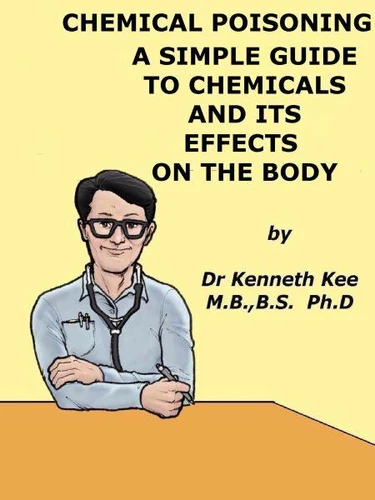
Chemical Poisoning, A Simple Guide To Chemicals And Its Effects On The Body
Par :Formats :
Disponible dans votre compte client Decitre ou Furet du Nord dès validation de votre commande. Le format ePub est :
- Compatible avec une lecture sur My Vivlio (smartphone, tablette, ordinateur)
- Compatible avec une lecture sur liseuses Vivlio
- Pour les liseuses autres que Vivlio, vous devez utiliser le logiciel Adobe Digital Edition. Non compatible avec la lecture sur les liseuses Kindle, Remarkable et Sony
 , qui est-ce ?
Notre partenaire de plateforme de lecture numérique où vous retrouverez l'ensemble de vos ebooks gratuitement
Pour en savoir plus sur nos ebooks, consultez notre aide en ligne ici
C'est si simple ! Lisez votre ebook avec l'app Vivlio sur votre tablette, mobile ou ordinateur :

- FormatePub
- ISBN978-1-311-08743-0
- EAN9781311087430
- Date de parution23/12/2014
- Protection num.pas de protection
- Infos supplémentairesepub
- ÉditeurJPCA
Résumé
All substances are poisonous, there is none that is not a poison; the right dose differentiates a poison from a remedy.- Philippus Aureolus ParacelsusThings stand apart so far and differ, thatWhat's food for one is poison for another.- Titus LucretiusScience is dangerous. There is no question but that poison gas, genetic engineering, and nuclear weapons and power stations are terrifying. It may be that civilization is falling apart and the world we know is coming to an end.__.
Isaac AsimovTechnology, when misused, poisons air, soil, water and lives.- New York TimesThis was going to be a book on the Chemical PoisoningIt still is a book on the Chemical Poisoning and why a human needs to how to prevent Chemical poisoning. I will try to add some descriptions in simple vernacular words and make it more fun to read. Chemical poisoning:Chemical poisoning is a condition in which the body is exposed to a potentially harmful chemical in an amount that causes symptoms, disease and/or damage to cells, organs and/or body systems.
Chemical poisoning can be intentional or unintentional. Chemical poisoning is common and the second leading cause of injury and death in the U. S. Chemicals that can cause chemical poisoning include toxins and toxicants. Chemicals that are produced by living organisms are called toxins. There are a wide variety of toxins, including biotoxins, which cause biotoxin poisoning. Examples of biotoxins include snake venom, honey bee venom, and cyanotoxin which is produced by blue-green algae.
Toxicants are chemicals are synthetic or are natural substances that are not produced by a living organism. There are a wide variety of toxicants, such as pesticides, chlorine, ammonia, pepper spray, and acetone. Toxins and toxicants that cause chemical poisoning come in different forms, including gas, liquids, or solids, and are taken into the body in different ways. These include inhaling and ingesting.
Toxins and toxicants affect the body in different ways. Symptoms and complications vary widely depending on the specific chemical, its form, and the amount of exposure to the chemical. Making a diagnosis of chemical poisoning begins with taking a thorough medical history, including symptoms, and completing a physical examination. Diagnostic tests can vary depending on the type of chemical poisoning that is suspected.
Tests can help to pinpoint a specific toxin or toxicant and/or identify and monitor damage that the chemical poisoning has done to the body. Tests may include blood tests, which can indicate some types of damage done to the body, such as damage to blood cells. Blood tests may also be able to help pinpoint some chemical poisons, such as certain types of drugs taken in a drug overdose. An ECG may be performed to test for cardiac arrhythmias or damage the chemical poisoning has done to the heart.
Arterial blood gasses can measure how a chemical poisoning is affecting the body's oxygen level and acid-base balance. Imaging tests, such as X-ray, CT, and MRI, may also be done. Test may also be performed in order to rule out or confirm other diseases that may appear similar to chemical poisoning, such as stroke or diabetes. SymptomsThe types of symptoms and severity of complications of chemical poisoning differ greatly, depending on the type of chemical, the length of exposure, the person's age and medical history, and other factors.
Some chemicals, such as chlorine and phosgene, affect the respiratory system. Exposure can result in symptoms, such as wheezing and shortness of breath, and serious complicationsTABLE OF CONTENTIntroductionChapter 1 Le...
Isaac AsimovTechnology, when misused, poisons air, soil, water and lives.- New York TimesThis was going to be a book on the Chemical PoisoningIt still is a book on the Chemical Poisoning and why a human needs to how to prevent Chemical poisoning. I will try to add some descriptions in simple vernacular words and make it more fun to read. Chemical poisoning:Chemical poisoning is a condition in which the body is exposed to a potentially harmful chemical in an amount that causes symptoms, disease and/or damage to cells, organs and/or body systems.
Chemical poisoning can be intentional or unintentional. Chemical poisoning is common and the second leading cause of injury and death in the U. S. Chemicals that can cause chemical poisoning include toxins and toxicants. Chemicals that are produced by living organisms are called toxins. There are a wide variety of toxins, including biotoxins, which cause biotoxin poisoning. Examples of biotoxins include snake venom, honey bee venom, and cyanotoxin which is produced by blue-green algae.
Toxicants are chemicals are synthetic or are natural substances that are not produced by a living organism. There are a wide variety of toxicants, such as pesticides, chlorine, ammonia, pepper spray, and acetone. Toxins and toxicants that cause chemical poisoning come in different forms, including gas, liquids, or solids, and are taken into the body in different ways. These include inhaling and ingesting.
Toxins and toxicants affect the body in different ways. Symptoms and complications vary widely depending on the specific chemical, its form, and the amount of exposure to the chemical. Making a diagnosis of chemical poisoning begins with taking a thorough medical history, including symptoms, and completing a physical examination. Diagnostic tests can vary depending on the type of chemical poisoning that is suspected.
Tests can help to pinpoint a specific toxin or toxicant and/or identify and monitor damage that the chemical poisoning has done to the body. Tests may include blood tests, which can indicate some types of damage done to the body, such as damage to blood cells. Blood tests may also be able to help pinpoint some chemical poisons, such as certain types of drugs taken in a drug overdose. An ECG may be performed to test for cardiac arrhythmias or damage the chemical poisoning has done to the heart.
Arterial blood gasses can measure how a chemical poisoning is affecting the body's oxygen level and acid-base balance. Imaging tests, such as X-ray, CT, and MRI, may also be done. Test may also be performed in order to rule out or confirm other diseases that may appear similar to chemical poisoning, such as stroke or diabetes. SymptomsThe types of symptoms and severity of complications of chemical poisoning differ greatly, depending on the type of chemical, the length of exposure, the person's age and medical history, and other factors.
Some chemicals, such as chlorine and phosgene, affect the respiratory system. Exposure can result in symptoms, such as wheezing and shortness of breath, and serious complicationsTABLE OF CONTENTIntroductionChapter 1 Le...
A propos de Kenneth Kee
4,49 €