SOLDES
Jusqu'à -70% sur une sélection d'articles*

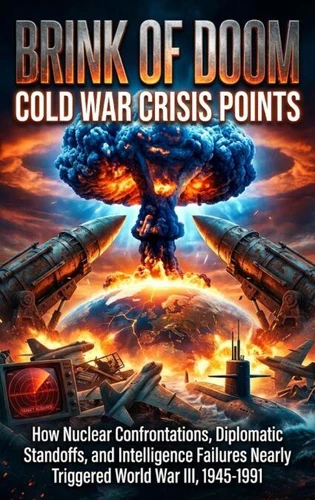
Brink of Doom: Cold War Crisis Points. How Nuclear Confrontations, Diplomatic Standoffs, and Intelligence Failures Nearly Triggered World War III, 1945-1991
Par :Formats :
Disponible dans votre compte client Decitre ou Furet du Nord dès validation de votre commande. Le format ePub est :
- Compatible avec une lecture sur My Vivlio (smartphone, tablette, ordinateur)
- Compatible avec une lecture sur liseuses Vivlio
- Pour les liseuses autres que Vivlio, vous devez utiliser le logiciel Adobe Digital Edition. Non compatible avec la lecture sur les liseuses Kindle, Remarkable et Sony
 , qui est-ce ?
Notre partenaire de plateforme de lecture numérique où vous retrouverez l'ensemble de vos ebooks gratuitement
Pour en savoir plus sur nos ebooks, consultez notre aide en ligne ici
C'est si simple ! Lisez votre ebook avec l'app Vivlio sur votre tablette, mobile ou ordinateur :

- Nombre de pages204
- FormatePub
- ISBN978-3-565-24884-1
- EAN9783565248841
- Date de parution15/02/2026
- Protection num.pas de protection
- Taille2 Mo
- Infos supplémentairesepub
- ÉditeurEmphaloz Publishing House
Résumé
Between 1945 and 1991, the world came perilously close to nuclear war on multiple occasions. This meticulously researched account examines the critical moments when miscommunication, miscalculation, and human error brought superpowers to the edge of catastrophe-from the Berlin Blockade to the Cuban Missile Crisis, from the Able Archer exercises to the Korean Air Lines incident.
Drawing on declassified military documents, diplomatic cables, and firsthand accounts from decision-makers on both sides of the Iron Curtain, this book reveals how crises escalated, what prevented nuclear exchange, and the institutional failures that made near-misses possible.
It examines the command structures, early warning systems, and political pressures that shaped responses during moments of extreme tension. The narrative traces the evolution of crisis management protocols, the role of backchannel diplomacy, and the psychological factors affecting leaders operating under existential threat. Neither sensationalizing nor minimizing the dangers, this work offers a clear-eyed analysis of how humanity survived its most dangerous period and what these near-catastrophes reveal about power, decision-making under pressure, and the fragility of peace.
It examines the command structures, early warning systems, and political pressures that shaped responses during moments of extreme tension. The narrative traces the evolution of crisis management protocols, the role of backchannel diplomacy, and the psychological factors affecting leaders operating under existential threat. Neither sensationalizing nor minimizing the dangers, this work offers a clear-eyed analysis of how humanity survived its most dangerous period and what these near-catastrophes reveal about power, decision-making under pressure, and the fragility of peace.
A propos de Sarah Whitfield










8,99 €