SOLDES
Jusqu'à -70% sur une sélection d'articles*

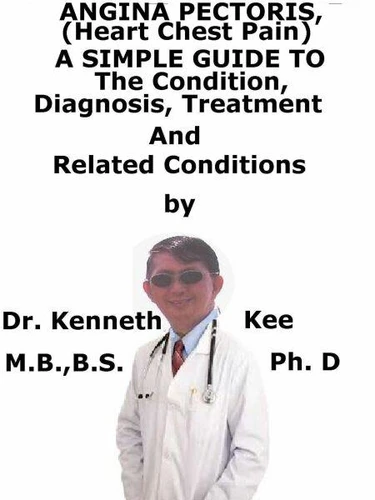
Angina Pectoris, (Heart Chest Pain) A Simple Guide To The Condition, Diagnosis, Treatment And Related Conditions
Par :Formats :
Disponible dans votre compte client Decitre ou Furet du Nord dès validation de votre commande. Le format ePub est :
- Compatible avec une lecture sur My Vivlio (smartphone, tablette, ordinateur)
- Compatible avec une lecture sur liseuses Vivlio
- Pour les liseuses autres que Vivlio, vous devez utiliser le logiciel Adobe Digital Edition. Non compatible avec la lecture sur les liseuses Kindle, Remarkable et Sony
 , qui est-ce ?
Notre partenaire de plateforme de lecture numérique où vous retrouverez l'ensemble de vos ebooks gratuitement
Pour en savoir plus sur nos ebooks, consultez notre aide en ligne ici
C'est si simple ! Lisez votre ebook avec l'app Vivlio sur votre tablette, mobile ou ordinateur :

- FormatePub
- ISBN978-1-370-49584-9
- EAN9781370495849
- Date de parution06/12/2016
- Protection num.pas de protection
- Infos supplémentairesepub
- ÉditeurEditeurs divers USA
Résumé
Angina pectoris is a medical symptom that literally means "strangling in the chest."Patients complain that the angina symptom is a squeezing, suffocating or burning feeling in their chest but the episode of angina is not a heart attack. The heart muscle is not injured permanently and the pain normally disappears with rest unlike a heart attack. Angina Pectoris is an early warning symptom of an ischemic heart disease (IHD).
IHD is the most frequent form of heart disease in adults. It happens when a waxy substance called plaque accumulates on the inner walls of the coronary arteries. These arteries deliver oxygen-rich blood to the heart. Plaque reduces and stiffens the lumen of the coronary arteries. This decreases the flow of oxygen-rich blood to the heart muscle, inducing chest pain. Plaque buildup also tends more to induce blood clots in the arteries.
Blood clots can partly or totally block blood flow, which can produce a heart attack. Angina also can be an indication of coronary micro-vascular disease (MVDThis is heart disease that involves the heart's smallest coronary arteries. In coronary MVD, the plaque does not cause blockages in the arteries like it does in IHD. Angina happens when the blood supply of the heart is partly obstructed by narrowing of the blood vessel:1.
It happens during exertion when the supply of the blood to the heart is inadequate to keep up with the higher demands of the heart muscles.2. It can also happen when anger or fear induces the heart muscles to pump faster to deliver the body with oxygen.3. Emotional stress can also induce spasm of the coronary arteries decreasing oxygen to the heart tissues.4. SmokingStable angina is the most frequent form of angina.
It happens when the heart is pumping harder than usualUnstable angina does not keep the normal ECG patternUnstable angina may happen more often and be more serious than stable anginaVariant angina pectoris, or Prinzmetal's angina, is a rare form of angina induced by coronary spasmMicro-vascular angina is a form of angina where patients feel chest pain but do not appear to have an obstruction in a coronary artery.
The main sign is ST depression in the ECG (electrocardiogram) during the attack which becomes normal after the attack. An ECG can reveal signs of heart damage due to IHD and signs of a previous or present heart attack. Some people who have angina can have normal ECGsBy eating healthy food, not smoking, restricted alcohol, and avoiding stress, the patient may have a better and more comfortable life and with fewer angina attacks.
Nitrates are the medicines most often given to treat angina. Nitroglycerin works in seconds. Nitroglycerin pills or spray may be given to stop chest pain. The patient may require taking more medicines to prevent the patient from having angina.1. ACE inhibitors to reduce blood pressure and protect the heart2. Beta-blockers to reduce heart rate, blood pressure, and oxygen use by the heart3. Calcium channel blockers to relax arteries, reduce blood pressure, decrease strain on the heart4.
Nitrates to assist to prevent angina5. Ranolazine (Ranexa) to treat chronic anginaTABLE OF CONTENTIntroductionChapter 1 Angina PectorisChapter 2 CausesChapter 3 SymptomsChapter 4 DiagnosisChapter 5 TreatmentChapter 6 PrognosisChapter 7 Coronary Heart DiseaseChapter 8 Congestive Heart FailureEpilogue
IHD is the most frequent form of heart disease in adults. It happens when a waxy substance called plaque accumulates on the inner walls of the coronary arteries. These arteries deliver oxygen-rich blood to the heart. Plaque reduces and stiffens the lumen of the coronary arteries. This decreases the flow of oxygen-rich blood to the heart muscle, inducing chest pain. Plaque buildup also tends more to induce blood clots in the arteries.
Blood clots can partly or totally block blood flow, which can produce a heart attack. Angina also can be an indication of coronary micro-vascular disease (MVDThis is heart disease that involves the heart's smallest coronary arteries. In coronary MVD, the plaque does not cause blockages in the arteries like it does in IHD. Angina happens when the blood supply of the heart is partly obstructed by narrowing of the blood vessel:1.
It happens during exertion when the supply of the blood to the heart is inadequate to keep up with the higher demands of the heart muscles.2. It can also happen when anger or fear induces the heart muscles to pump faster to deliver the body with oxygen.3. Emotional stress can also induce spasm of the coronary arteries decreasing oxygen to the heart tissues.4. SmokingStable angina is the most frequent form of angina.
It happens when the heart is pumping harder than usualUnstable angina does not keep the normal ECG patternUnstable angina may happen more often and be more serious than stable anginaVariant angina pectoris, or Prinzmetal's angina, is a rare form of angina induced by coronary spasmMicro-vascular angina is a form of angina where patients feel chest pain but do not appear to have an obstruction in a coronary artery.
The main sign is ST depression in the ECG (electrocardiogram) during the attack which becomes normal after the attack. An ECG can reveal signs of heart damage due to IHD and signs of a previous or present heart attack. Some people who have angina can have normal ECGsBy eating healthy food, not smoking, restricted alcohol, and avoiding stress, the patient may have a better and more comfortable life and with fewer angina attacks.
Nitrates are the medicines most often given to treat angina. Nitroglycerin works in seconds. Nitroglycerin pills or spray may be given to stop chest pain. The patient may require taking more medicines to prevent the patient from having angina.1. ACE inhibitors to reduce blood pressure and protect the heart2. Beta-blockers to reduce heart rate, blood pressure, and oxygen use by the heart3. Calcium channel blockers to relax arteries, reduce blood pressure, decrease strain on the heart4.
Nitrates to assist to prevent angina5. Ranolazine (Ranexa) to treat chronic anginaTABLE OF CONTENTIntroductionChapter 1 Angina PectorisChapter 2 CausesChapter 3 SymptomsChapter 4 DiagnosisChapter 5 TreatmentChapter 6 PrognosisChapter 7 Coronary Heart DiseaseChapter 8 Congestive Heart FailureEpilogue
A propos de Kenneth Kee

4,49 €