SOLDES
Jusqu'à -70% sur une sélection d'articles*

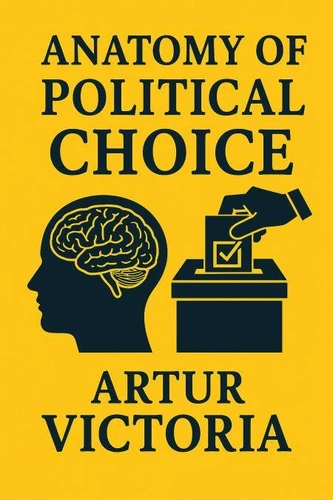
Anatomy of Political Choice. Political Science, #2
Par :Formats :
Disponible dans votre compte client Decitre ou Furet du Nord dès validation de votre commande. Le format ePub protégé est :
- Compatible avec une lecture sur My Vivlio (smartphone, tablette, ordinateur)
- Compatible avec une lecture sur liseuses Vivlio
- Pour les liseuses autres que Vivlio, vous devez utiliser le logiciel Adobe Digital Edition. Non compatible avec la lecture sur les liseuses Kindle, Remarkable et Sony
- Non compatible avec un achat hors France métropolitaine
 , qui est-ce ?
Notre partenaire de plateforme de lecture numérique où vous retrouverez l'ensemble de vos ebooks gratuitement
Pour en savoir plus sur nos ebooks, consultez notre aide en ligne ici
C'est si simple ! Lisez votre ebook avec l'app Vivlio sur votre tablette, mobile ou ordinateur :

- FormatePub
- ISBN8231542123
- EAN9798231542123
- Date de parution08/06/2025
- Protection num.Adobe DRM
- Infos supplémentairesepub
- ÉditeurWalzone Press
Résumé
The Anatomy of Political Choice investigates the fascinating and often frustrating world of political decision-making, exploring the mechanisms through which laws, policies and the allocation of resources are determined. We examine the various actors involved in the process - from elected officials and bureaucrats to lobbyists and the general public - and analyse how their interactions shape the final outcomes.
We address the dynamics of negotiation, compromise and conflict resolution, recognising both the successes and failures of different approaches. This analysis goes beyond the mechanics of decision-making, exploring the underlying power dynamics, ideological differences and public opinion that influence decisions. The analysis also considers the ethical implications of political choices, emphasising the importance of accountability, transparency and fairness.
By understanding the anatomy of political choice, we can strive for a more informed, fair and effective system of governance. We will explore how these decisions are made, the factors that influence them and the ultimate consequences for society. In essence, politics is a dynamic tension between conflict and co-operation. While conflict results from divergent ideologies, competing interests and power struggles, co-operation is essential for achieving collective goals, adopting effective policies and maintaining social order.
We analyse this inherent duality and provide a comprehensive framework for understanding how these seemingly opposing forces shape political outcomes. We explore the sources of conflict, the mechanisms of co-operation and the impact of institutional design and social factors on both. The book is designed to be both academically rigorous and accessible, appealing to students, researchers, policy-makers and informed citizens.
We hope that this analysis will enable readers to engage more critically with the complex political landscape and contribute to more effective policy processes.
We address the dynamics of negotiation, compromise and conflict resolution, recognising both the successes and failures of different approaches. This analysis goes beyond the mechanics of decision-making, exploring the underlying power dynamics, ideological differences and public opinion that influence decisions. The analysis also considers the ethical implications of political choices, emphasising the importance of accountability, transparency and fairness.
By understanding the anatomy of political choice, we can strive for a more informed, fair and effective system of governance. We will explore how these decisions are made, the factors that influence them and the ultimate consequences for society. In essence, politics is a dynamic tension between conflict and co-operation. While conflict results from divergent ideologies, competing interests and power struggles, co-operation is essential for achieving collective goals, adopting effective policies and maintaining social order.
We analyse this inherent duality and provide a comprehensive framework for understanding how these seemingly opposing forces shape political outcomes. We explore the sources of conflict, the mechanisms of co-operation and the impact of institutional design and social factors on both. The book is designed to be both academically rigorous and accessible, appealing to students, researchers, policy-makers and informed citizens.
We hope that this analysis will enable readers to engage more critically with the complex political landscape and contribute to more effective policy processes.
A propos de Artur Victoria
2,99 €
3,49 €
2,49 €
2,99 €
2,99 €

2,99 €
3,49 €
3,49 €
3,49 €

5,49 €

6,49 €

6,49 €