SOLDES
Jusqu'à -70% sur une sélection d'articles*

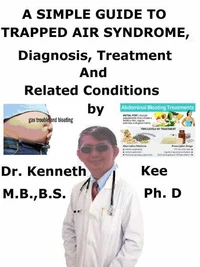
Abdominal Bloating, A Simple Guide To The Condition, Diagnosis, Treatment And Related Conditions
Par :Formats :
Disponible dans votre compte client Decitre ou Furet du Nord dès validation de votre commande. Le format ePub est :
- Compatible avec une lecture sur My Vivlio (smartphone, tablette, ordinateur)
- Compatible avec une lecture sur liseuses Vivlio
- Pour les liseuses autres que Vivlio, vous devez utiliser le logiciel Adobe Digital Edition. Non compatible avec la lecture sur les liseuses Kindle, Remarkable et Sony
 , qui est-ce ?
Notre partenaire de plateforme de lecture numérique où vous retrouverez l'ensemble de vos ebooks gratuitement
Pour en savoir plus sur nos ebooks, consultez notre aide en ligne ici
C'est si simple ! Lisez votre ebook avec l'app Vivlio sur votre tablette, mobile ou ordinateur :

- FormatePub
- ISBN978-0-463-21948-5
- EAN9780463219485
- Date de parution18/06/2019
- Protection num.pas de protection
- Infos supplémentairesepub
- ÉditeurBluewater
Résumé
This book describes AbdominalThe stomach experiences fullness and tightness. It may be uncomfortable or painful. The stomach may really appear bigger. It can cause the clothes fit tighter. Bloating is a very frequent and subjective illness which can involve patients of all ages. It can be linked with any of the causes of abdominal bloating but it is most often linked with irritable bowel syndrome.
Bloating can have a most important force both socially and psychologically. It is not totally understood and often inadequately treated. New diet restriction methods may be helpfulCauses:Gas and airGas is the most frequent cause of bloating, particularly after eating. Gas collects in the digesti Bloating, Diagnosis and Treatment and Related DiseasesAbdominal Bloating happens in the abdomen (stomach).
It happens when the gastrointestinal (GI) tract is full of air or gas. When the patient is bloated, the patient feels as if he or she has eaten a big meal and there is no room in the stomach.ve tract when undigested food becomes broken down or when the patient swallows air. Every person swallows air when they eat or drink. But some people can gulp down more than others, particularly if they are:1.
Eating or drinking too fast2. Chewing gum3. Smoking4. Wearing loose denturesBurping and flatulence are 2 ways swallowed air exits the body. Delayed emptying of the stomach (slow gas transport) besides gas accumulation can also cause distension and abdominal bloating. Other causes of bloating may be because of medical disorders.1. Irritable bowel syndrome (IBS)2. Inflammatory bowel disease, such as ulcerative colitis or Crohn's disease3.
Other functional gastrointestinal disorders (FGIDs)4. Heartburn5. Food intolerance6. Weight gain7. Hormonal flux (especially for women)8. Giardiasis (intestinal parasite infection)9. Eating disorders such as anorexia nervosa or bulimia nervosa10. Mental health factors such as stress, anxiety, depression, and more11. Some medicinesThese disorders cause factors that add to gas and bloating, such as:1.
Overgrowth or deficiency of bacteria within the GI tract2. Gas accumulation3. Altered gut motility4. Impaired gas transit5. Abnormal abdominal reflexes6. Visceral hypersensitivity (feeling of bloating in small or even normal body changes)7. Food and carbohydrate malabsorption8. ConstipationSerious causes1. Pathologic fluid collection in the abdominal cavity (ascites) as a result of cancer (e.g., ovarian cancer), liver disease, kidney failure, or congestive heart failure2.
Celiac disease or gluten intolerance3. Pancreatic insufficiency, which is impaired digestion because the pancreas cannot produce enough digestive enzymes4. Perforation of the GI tract with escape of gas, normal GI tract bacteria, and other contents into the abdominal cavitySymptomsAbdominal bloating happens when the gastrointestinal (GI) tract is full with air or gas. Most people portray bloating as feeling full, tight, or swollen in the abdomen.
The abdomen may also be swollen (distended), hard, and painful. Bloating is often accompanied by:1. Pain2. Excessive gas (flatulence)3. Frequent burping or belching4. Abdominal rumbling or gurglesAbdominal bloating can disrupt the ability to work and take part in social or recreational activities. People who have abdominal bloating use more sick days, visit the doctor oftener, and take more medicines than other people.
Bloating is frequent among both adults and children. Treatments to prevent or relieve bloatingLifestyle changes - stop smoking, proper dietMassages - sometimes help in mild casesMedicines - charcoal, simethicone, antibioticsTABLE OF CONTENTIntroductionChapter ...
Bloating can have a most important force both socially and psychologically. It is not totally understood and often inadequately treated. New diet restriction methods may be helpfulCauses:Gas and airGas is the most frequent cause of bloating, particularly after eating. Gas collects in the digesti Bloating, Diagnosis and Treatment and Related DiseasesAbdominal Bloating happens in the abdomen (stomach).
It happens when the gastrointestinal (GI) tract is full of air or gas. When the patient is bloated, the patient feels as if he or she has eaten a big meal and there is no room in the stomach.ve tract when undigested food becomes broken down or when the patient swallows air. Every person swallows air when they eat or drink. But some people can gulp down more than others, particularly if they are:1.
Eating or drinking too fast2. Chewing gum3. Smoking4. Wearing loose denturesBurping and flatulence are 2 ways swallowed air exits the body. Delayed emptying of the stomach (slow gas transport) besides gas accumulation can also cause distension and abdominal bloating. Other causes of bloating may be because of medical disorders.1. Irritable bowel syndrome (IBS)2. Inflammatory bowel disease, such as ulcerative colitis or Crohn's disease3.
Other functional gastrointestinal disorders (FGIDs)4. Heartburn5. Food intolerance6. Weight gain7. Hormonal flux (especially for women)8. Giardiasis (intestinal parasite infection)9. Eating disorders such as anorexia nervosa or bulimia nervosa10. Mental health factors such as stress, anxiety, depression, and more11. Some medicinesThese disorders cause factors that add to gas and bloating, such as:1.
Overgrowth or deficiency of bacteria within the GI tract2. Gas accumulation3. Altered gut motility4. Impaired gas transit5. Abnormal abdominal reflexes6. Visceral hypersensitivity (feeling of bloating in small or even normal body changes)7. Food and carbohydrate malabsorption8. ConstipationSerious causes1. Pathologic fluid collection in the abdominal cavity (ascites) as a result of cancer (e.g., ovarian cancer), liver disease, kidney failure, or congestive heart failure2.
Celiac disease or gluten intolerance3. Pancreatic insufficiency, which is impaired digestion because the pancreas cannot produce enough digestive enzymes4. Perforation of the GI tract with escape of gas, normal GI tract bacteria, and other contents into the abdominal cavitySymptomsAbdominal bloating happens when the gastrointestinal (GI) tract is full with air or gas. Most people portray bloating as feeling full, tight, or swollen in the abdomen.
The abdomen may also be swollen (distended), hard, and painful. Bloating is often accompanied by:1. Pain2. Excessive gas (flatulence)3. Frequent burping or belching4. Abdominal rumbling or gurglesAbdominal bloating can disrupt the ability to work and take part in social or recreational activities. People who have abdominal bloating use more sick days, visit the doctor oftener, and take more medicines than other people.
Bloating is frequent among both adults and children. Treatments to prevent or relieve bloatingLifestyle changes - stop smoking, proper dietMassages - sometimes help in mild casesMedicines - charcoal, simethicone, antibioticsTABLE OF CONTENTIntroductionChapter ...
A propos de Kenneth Kee

4,49 €