SOLDES
Jusqu'à -70% sur une sélection d'articles*

A Simple Guide to Voice Disorders, Diagnosis, Treatment and Related Conditions
Par :Formats :
Disponible dans votre compte client Decitre ou Furet du Nord dès validation de votre commande. Le format ePub est :
- Compatible avec une lecture sur My Vivlio (smartphone, tablette, ordinateur)
- Compatible avec une lecture sur liseuses Vivlio
- Pour les liseuses autres que Vivlio, vous devez utiliser le logiciel Adobe Digital Edition. Non compatible avec la lecture sur les liseuses Kindle, Remarkable et Sony
 , qui est-ce ?
Notre partenaire de plateforme de lecture numérique où vous retrouverez l'ensemble de vos ebooks gratuitement
Pour en savoir plus sur nos ebooks, consultez notre aide en ligne ici
C'est si simple ! Lisez votre ebook avec l'app Vivlio sur votre tablette, mobile ou ordinateur :

- FormatePub
- ISBN978-1-005-56414-8
- EAN9781005564148
- Date de parution29/03/2022
- Protection num.pas de protection
- Infos supplémentairesepub
- ÉditeurC. C. Chamberlane
Résumé
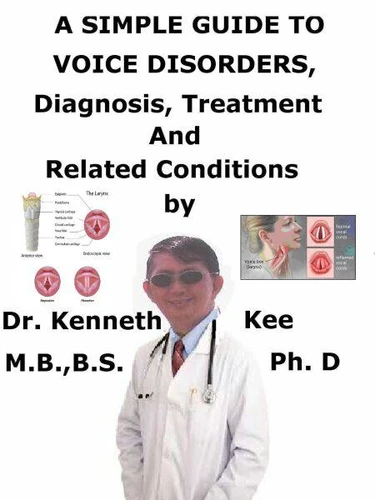
This book describes Voice Disorders, Diagnosis and Treatment and Related Diseases"What is it about your voice that makes me want to hear you speak?"- Ally CondieThe voice box (larynx) is made of cartilage, muscle and mucous membranes sited at the top of the windpipe (trachea) and the base of the tongue. The vocal cords are 2 flexible bands of muscle tissue that sit at the entrance of the windpipe.
Sound is formed when the 2 vocal cords vibrate. This vibration arises from air moving through the larynx, bringing the vocal cords closer together. The vocal cords also assist in closing the voice box when the patient swallow, stopping the patient from inhaling food or liquid. If the vocal cords become infected, inflamed, develop growths or become paralyzed, they can not function properly, and the patient may develop a voice disorder.
Some frequent voice disorders are:LaryngitisMuscle tension dysphoniaNeurological voice disorders, such as spasmodic dysphoniaPolyps, nodules or cysts on the vocal cords (non-cancerous lesions)Precancerous and cancerous lesionsVocal cord paralysis or weaknessWhite patches called leukoplakiaRisk factorsMany risk factors can add to a voice disorder, such as:AgingAlcohol useAllergiesGastroesophageal reflux disease (GERD)Illnesses, such as colds or upper respiratory infectionsImproper throat clearing over a long timeNeurological disordersPsychological stressScarring from neck surgery or from trauma to the front of the neckScreamingSmokingThroat cancerThroat dehydrationThyroid problemsVoice misuse or overusePeople can injure the vocal cords in many ways.
Talking too much, screaming, persistently clearing the throat, or smoking can make the patient's voice hoarse. They can also lead to disorders such as nodules, polyps, and sores on the vocal cords. Other causes of voice disorders are infections, upward movement of stomach acids into the throat, nodules due to a virus, cancer, and diseases that paralyze the vocal cords. Signs that the voice is not healthy are:The voice has become hoarse or raspyThe person has lost the ability to hit some high notes when singingThe voice suddenly becomes deeperThe throat often feels raw, achy, or strainedIt has become an effort to talkThe doctor will ask the patient detailed questions about the voice disorders and examine the patient completely.
A topical anesthetic may be used to numb the vocal cord tissues before the doctor examines them using one of these tools:MirrorThe doctor inserts a long, rigid instrument with an angled mirror, like dental mirror, into the mouth. Flexible laryngoscopeThe doctor inserts a flexible tube containing a light and camera via the nose. Rigid laryngoscopeThe doctor inserts a rigid viewing tube via the mouth.
VideostroboscopeThe doctor inserts a camera that is combined with a flashing light into the mouth to supply a slow-motion view of the vocal cords as they move. Sound analysisUsing computer analysis, the doctor can measure abnormalities in the sound produced by the vocal cords. Laryngeal electromyographySmall needles are positioned through the skin to measure the electric currents in the voice box muscles.
The treatment is dependent on what is causing the voice disorder, but may involve voice therapy, medicine, injections or surgery. Most voice disorders can be treated when diagnosed earlyTABLE OF CONTENTIntroductionChapter 1 Voice DisordersChapter 2 CausesChapter 3 SymptomsChapter 4 DiagnosisChapter 5 TreatmentChapter 6 PrognosisChapter 7 LaryngitisChapt...
Sound is formed when the 2 vocal cords vibrate. This vibration arises from air moving through the larynx, bringing the vocal cords closer together. The vocal cords also assist in closing the voice box when the patient swallow, stopping the patient from inhaling food or liquid. If the vocal cords become infected, inflamed, develop growths or become paralyzed, they can not function properly, and the patient may develop a voice disorder.
Some frequent voice disorders are:LaryngitisMuscle tension dysphoniaNeurological voice disorders, such as spasmodic dysphoniaPolyps, nodules or cysts on the vocal cords (non-cancerous lesions)Precancerous and cancerous lesionsVocal cord paralysis or weaknessWhite patches called leukoplakiaRisk factorsMany risk factors can add to a voice disorder, such as:AgingAlcohol useAllergiesGastroesophageal reflux disease (GERD)Illnesses, such as colds or upper respiratory infectionsImproper throat clearing over a long timeNeurological disordersPsychological stressScarring from neck surgery or from trauma to the front of the neckScreamingSmokingThroat cancerThroat dehydrationThyroid problemsVoice misuse or overusePeople can injure the vocal cords in many ways.
Talking too much, screaming, persistently clearing the throat, or smoking can make the patient's voice hoarse. They can also lead to disorders such as nodules, polyps, and sores on the vocal cords. Other causes of voice disorders are infections, upward movement of stomach acids into the throat, nodules due to a virus, cancer, and diseases that paralyze the vocal cords. Signs that the voice is not healthy are:The voice has become hoarse or raspyThe person has lost the ability to hit some high notes when singingThe voice suddenly becomes deeperThe throat often feels raw, achy, or strainedIt has become an effort to talkThe doctor will ask the patient detailed questions about the voice disorders and examine the patient completely.
A topical anesthetic may be used to numb the vocal cord tissues before the doctor examines them using one of these tools:MirrorThe doctor inserts a long, rigid instrument with an angled mirror, like dental mirror, into the mouth. Flexible laryngoscopeThe doctor inserts a flexible tube containing a light and camera via the nose. Rigid laryngoscopeThe doctor inserts a rigid viewing tube via the mouth.
VideostroboscopeThe doctor inserts a camera that is combined with a flashing light into the mouth to supply a slow-motion view of the vocal cords as they move. Sound analysisUsing computer analysis, the doctor can measure abnormalities in the sound produced by the vocal cords. Laryngeal electromyographySmall needles are positioned through the skin to measure the electric currents in the voice box muscles.
The treatment is dependent on what is causing the voice disorder, but may involve voice therapy, medicine, injections or surgery. Most voice disorders can be treated when diagnosed earlyTABLE OF CONTENTIntroductionChapter 1 Voice DisordersChapter 2 CausesChapter 3 SymptomsChapter 4 DiagnosisChapter 5 TreatmentChapter 6 PrognosisChapter 7 LaryngitisChapt...
A propos de Kenneth Kee



4,49 €