SOLDES
Jusqu'à -70% sur une sélection d'articles*

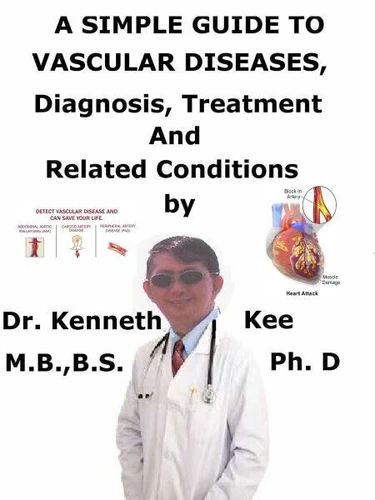
A Simple Guide to Vascular Diseases, Diagnosis, Treatment and Related Conditions
Par :Formats :
Disponible dans votre compte client Decitre ou Furet du Nord dès validation de votre commande. Le format ePub est :
- Compatible avec une lecture sur My Vivlio (smartphone, tablette, ordinateur)
- Compatible avec une lecture sur liseuses Vivlio
- Pour les liseuses autres que Vivlio, vous devez utiliser le logiciel Adobe Digital Edition. Non compatible avec la lecture sur les liseuses Kindle, Remarkable et Sony
 , qui est-ce ?
Notre partenaire de plateforme de lecture numérique où vous retrouverez l'ensemble de vos ebooks gratuitement
Pour en savoir plus sur nos ebooks, consultez notre aide en ligne ici
C'est si simple ! Lisez votre ebook avec l'app Vivlio sur votre tablette, mobile ou ordinateur :

- FormatePub
- ISBN978-1-005-48004-2
- EAN9781005480042
- Date de parution29/10/2021
- Protection num.pas de protection
- Infos supplémentairesepub
- ÉditeurC. C. Chamberlane
Résumé
This book describes Vascular Diseases, Diagnosis and Treatment and Related DiseasesVascular disease is any disorder that affects the network of the blood vessels. The vascular system is the body's network of blood vessels:1. Arteries, which transport oxygen-rich blood from the heart to the tissues and organs2. Veins, which transport the blood and waste products, back to the heart3. Capillaries, which are tiny, blood vessels that attach the small arteries to the small veins.
The walls of the capillaries are slender and leaky, to permit for an exchange of materials between the tissues and blood. Lymph vessels and lymph nodes are part of a separate cleaning system that eliminates the body of injured cells. They also help defend the patient from infections and cancer. The vessels gather fluid from tissues throughout the body. This fluid travels back into veins that are under the collarbonesVascular diseases are disorders which involve the vascular system.
They are frequent and can be life threatening. Arteries throughout the body pick up oxygen-rich blood away from the heart, so blockages can happen in all arteries with dangerous effects. Some types are1. Aneurysm - a swelling or "ballooning" in the wall of an artery2. Atherosclerosis - a disease in which plaque builds up inside the arteries.3. Blood clots, such as deep vein thrombosis and pulmonary embolism4.
Coronary artery disease and carotid artery disease, diseases that involve the narrowing or blockage of an artery.5. Raynaud's disease - the blood vessels narrow when the person is cold or feeling stressed4. Stroke - a serious disorder when blood flow to the brain stops.5. Vasculitis - inflammation of the blood vesselsVascular diseases vary from disorders with the arteries, veins, and vessels that transport lymph to disorders that affect how the blood flows.
Three most identified vascular diseases are:Abdominal Aortic AneurysmAn aneurysm is an abnormal bulge in the wall of any blood vessel. The patient can have an aortic aneurysm in the chest(thoracic) or the abdomen (abdominal). Small aneurysms normally create no threat.1. Plaque deposits may accumulate where the aneurysm is.2. A clot may develop there and then break off and get obstructed somewhere else.3.
The aneurysm might get larger and press on other organs, which produces pain.4. Since the artery wall has been stretched and becomes thinner at the area of an aneurysm, it is fragile and could rupture under stress, like a balloon.5. The sudden rupture of an aortic aneurysm can be fatal. Carotid Artery Disease - StrokeCarotid arteries happen when the main blood vessels to the brain form an accumulation of plaque produced by atherosclerosis, or hardening of the arteries.
When the accumulation of plaque becomes very severe, it can produce a stroke. Peripheral Vascular DiseaseCoronary arteries bring blood and oxygen to the heart muscle. Peripheral arteries carry blood to other tissues and organs. Both can have collections of fat, cholesterol and substances deposited on their inside walls called plaque. Over time the vessel narrows and it is difficult for blood to flow.
Or a plaque could burst, blocking blood flow. An angiogram can be both diagnostic and therapeutic in vascular disease. Many vascular disorders are now very treatableBlood pressure, diabetes should be controlled. Blood thinners should be given. Smoking should be avoided. TABLE OF CONTENTIntroductionChapter 1 Vascular DiseasesChapter 2 Peripheral Vascular DiseaseChapter 3 Pulmonary EmbolismChapter 4 Deep Vein ThrombosisChapter 5 Myocardial InfarctionChapter 6 Pulmonary InfarctionChapter 7 Stroke (Cerebrovascular Infarc...
The walls of the capillaries are slender and leaky, to permit for an exchange of materials between the tissues and blood. Lymph vessels and lymph nodes are part of a separate cleaning system that eliminates the body of injured cells. They also help defend the patient from infections and cancer. The vessels gather fluid from tissues throughout the body. This fluid travels back into veins that are under the collarbonesVascular diseases are disorders which involve the vascular system.
They are frequent and can be life threatening. Arteries throughout the body pick up oxygen-rich blood away from the heart, so blockages can happen in all arteries with dangerous effects. Some types are1. Aneurysm - a swelling or "ballooning" in the wall of an artery2. Atherosclerosis - a disease in which plaque builds up inside the arteries.3. Blood clots, such as deep vein thrombosis and pulmonary embolism4.
Coronary artery disease and carotid artery disease, diseases that involve the narrowing or blockage of an artery.5. Raynaud's disease - the blood vessels narrow when the person is cold or feeling stressed4. Stroke - a serious disorder when blood flow to the brain stops.5. Vasculitis - inflammation of the blood vesselsVascular diseases vary from disorders with the arteries, veins, and vessels that transport lymph to disorders that affect how the blood flows.
Three most identified vascular diseases are:Abdominal Aortic AneurysmAn aneurysm is an abnormal bulge in the wall of any blood vessel. The patient can have an aortic aneurysm in the chest(thoracic) or the abdomen (abdominal). Small aneurysms normally create no threat.1. Plaque deposits may accumulate where the aneurysm is.2. A clot may develop there and then break off and get obstructed somewhere else.3.
The aneurysm might get larger and press on other organs, which produces pain.4. Since the artery wall has been stretched and becomes thinner at the area of an aneurysm, it is fragile and could rupture under stress, like a balloon.5. The sudden rupture of an aortic aneurysm can be fatal. Carotid Artery Disease - StrokeCarotid arteries happen when the main blood vessels to the brain form an accumulation of plaque produced by atherosclerosis, or hardening of the arteries.
When the accumulation of plaque becomes very severe, it can produce a stroke. Peripheral Vascular DiseaseCoronary arteries bring blood and oxygen to the heart muscle. Peripheral arteries carry blood to other tissues and organs. Both can have collections of fat, cholesterol and substances deposited on their inside walls called plaque. Over time the vessel narrows and it is difficult for blood to flow.
Or a plaque could burst, blocking blood flow. An angiogram can be both diagnostic and therapeutic in vascular disease. Many vascular disorders are now very treatableBlood pressure, diabetes should be controlled. Blood thinners should be given. Smoking should be avoided. TABLE OF CONTENTIntroductionChapter 1 Vascular DiseasesChapter 2 Peripheral Vascular DiseaseChapter 3 Pulmonary EmbolismChapter 4 Deep Vein ThrombosisChapter 5 Myocardial InfarctionChapter 6 Pulmonary InfarctionChapter 7 Stroke (Cerebrovascular Infarc...
A propos de Kenneth Kee

4,49 €