SOLDES
Jusqu'à -70% sur une sélection d'articles*

A Simple Guide to Types of Dementia, Diagnosis, Treatment and Related Conditions
Par :Formats :
Disponible dans votre compte client Decitre ou Furet du Nord dès validation de votre commande. Le format ePub est :
- Compatible avec une lecture sur My Vivlio (smartphone, tablette, ordinateur)
- Compatible avec une lecture sur liseuses Vivlio
- Pour les liseuses autres que Vivlio, vous devez utiliser le logiciel Adobe Digital Edition. Non compatible avec la lecture sur les liseuses Kindle, Remarkable et Sony
 , qui est-ce ?
Notre partenaire de plateforme de lecture numérique où vous retrouverez l'ensemble de vos ebooks gratuitement
Pour en savoir plus sur nos ebooks, consultez notre aide en ligne ici
C'est si simple ! Lisez votre ebook avec l'app Vivlio sur votre tablette, mobile ou ordinateur :

- FormatePub
- ISBN978-1-005-48404-0
- EAN9781005484040
- Date de parution08/03/2022
- Protection num.pas de protection
- Infos supplémentairesepub
- ÉditeurC. C. Chamberlane
Résumé
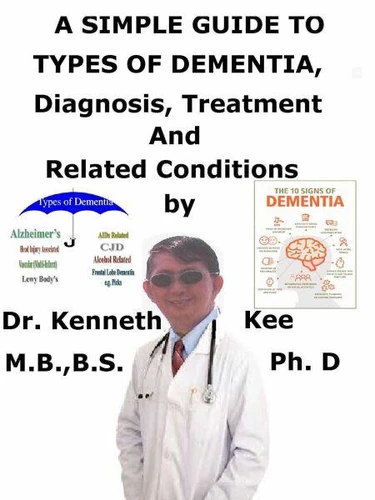
This book describes Types of Dementia, Diagnosis and Treatment and Related DiseasesDementia is not a specific disorder but is rather a broad term for the impaired ability to think, remember or make decisions that affects every day activities. Alzheimer's disease is the most frequent cause of dementia, responsible for 60-80% of dementia cases. Alzheimer's is a specific disorder. Dementia is not. Dementia is a term used for deterioration in mental ability severe enough to disrupt daily life.
Dementia depicts a group of symptoms linked with deterioration in memory, reasoning or other thinking skills. Many different types of dementia are present and many disorders cause it. Irreversible Dementias are:Alzheimer's diseaseVascular dementiaLewy body dementiaFrontotemporal dementiaMixed dementiaHuntington's diseaseCreutzfeldt-Jakob diseaseParkinson's diseaseAlzheimer's diseaseThis is the most frequent cause of dementia, responsible for 60 to 80 percent of cases.
It is caused by specific alterations in the brain. The specific symptom is trouble memorizing recent events, such as a conversation that happened minutes or hours ago while problem remembering distant memories happens later in the disorder. Vascular dementiaAbout 10 % of dementia cases are linked to strokes or other disorders with blood flow to the brain. Blood vessel disorders can produce strokes or affect the brain in other ways, such as by injuring the fibers in the white matter of the brain.
Lewy body dementiaLewy bodies are abnormal balloon-like clumps of protein that have been observed in the brains of people with Lewy body dementia, Alzheimer's disease and Parkinson's disease. Frontotemporal dementiaFTD is a group of diseases featured by the deterioration of nerve cells and their connections in the frontal and temporal lobes of the brain. Reversible Dementias are:DeliriumEndocrine DiseasesMetabolic DiseasesEmotional Disease (depression)Nutritional deficiencies, Normal-pressure hydrocephalusTrauma and TumorInfections and immune disordersAdverse side effects of medicinesPeople with dementia can have disorders with:MemoryAttentionCommunicationReasoning, judgment, and problem solvingVisual perception beyond typical age-related changes in visionSigns that may indicate dementia are:Getting lost in a familiar neighborhoodUsing unusual words to indicate familiar objectsForgetting the name of a known family member or friendForgetting old memoriesTo diagnose the cause of the dementia, the doctor must identify the pattern of the loss of skills and function and determine what a person is still capable of doing.
More recently, biomarkers have become accessible to determine a more accurate diagnosis of Alzheimer's disease. Presently, no cure is available for any of the causes of irreversible dementia. The treatment of dementia is dependent on the underlying cause. Neurodegenerative dementias, like Alzheimer's disease, have no cure, even though there are medicines that can help protect the brain or treat symptoms such as behavior changes:Cholinesterase inhibitorsMemantineA healthy lifestyle such as regular exercise, healthy eating, maintaining social contacts reduces chances of developing chronic diseases and reduce number of people with dementia.
Non-drug Therapies may help:Occupational therapyModifying the environmentSimplifying tasksTABLE OF CONTENTIntroductionChapter 1 DementiaChapter 2 Alzheimer DiseaseChapter 3 Vascular DementiaChapter 4 Lewy Body DementiaChapter 5 Frontotemporal DementiaChapter 6 Parkinson Disea...
Dementia depicts a group of symptoms linked with deterioration in memory, reasoning or other thinking skills. Many different types of dementia are present and many disorders cause it. Irreversible Dementias are:Alzheimer's diseaseVascular dementiaLewy body dementiaFrontotemporal dementiaMixed dementiaHuntington's diseaseCreutzfeldt-Jakob diseaseParkinson's diseaseAlzheimer's diseaseThis is the most frequent cause of dementia, responsible for 60 to 80 percent of cases.
It is caused by specific alterations in the brain. The specific symptom is trouble memorizing recent events, such as a conversation that happened minutes or hours ago while problem remembering distant memories happens later in the disorder. Vascular dementiaAbout 10 % of dementia cases are linked to strokes or other disorders with blood flow to the brain. Blood vessel disorders can produce strokes or affect the brain in other ways, such as by injuring the fibers in the white matter of the brain.
Lewy body dementiaLewy bodies are abnormal balloon-like clumps of protein that have been observed in the brains of people with Lewy body dementia, Alzheimer's disease and Parkinson's disease. Frontotemporal dementiaFTD is a group of diseases featured by the deterioration of nerve cells and their connections in the frontal and temporal lobes of the brain. Reversible Dementias are:DeliriumEndocrine DiseasesMetabolic DiseasesEmotional Disease (depression)Nutritional deficiencies, Normal-pressure hydrocephalusTrauma and TumorInfections and immune disordersAdverse side effects of medicinesPeople with dementia can have disorders with:MemoryAttentionCommunicationReasoning, judgment, and problem solvingVisual perception beyond typical age-related changes in visionSigns that may indicate dementia are:Getting lost in a familiar neighborhoodUsing unusual words to indicate familiar objectsForgetting the name of a known family member or friendForgetting old memoriesTo diagnose the cause of the dementia, the doctor must identify the pattern of the loss of skills and function and determine what a person is still capable of doing.
More recently, biomarkers have become accessible to determine a more accurate diagnosis of Alzheimer's disease. Presently, no cure is available for any of the causes of irreversible dementia. The treatment of dementia is dependent on the underlying cause. Neurodegenerative dementias, like Alzheimer's disease, have no cure, even though there are medicines that can help protect the brain or treat symptoms such as behavior changes:Cholinesterase inhibitorsMemantineA healthy lifestyle such as regular exercise, healthy eating, maintaining social contacts reduces chances of developing chronic diseases and reduce number of people with dementia.
Non-drug Therapies may help:Occupational therapyModifying the environmentSimplifying tasksTABLE OF CONTENTIntroductionChapter 1 DementiaChapter 2 Alzheimer DiseaseChapter 3 Vascular DementiaChapter 4 Lewy Body DementiaChapter 5 Frontotemporal DementiaChapter 6 Parkinson Disea...
A propos de Kenneth Kee
4,49 €