SOLDES
Jusqu'à -70% sur une sélection d'articles*

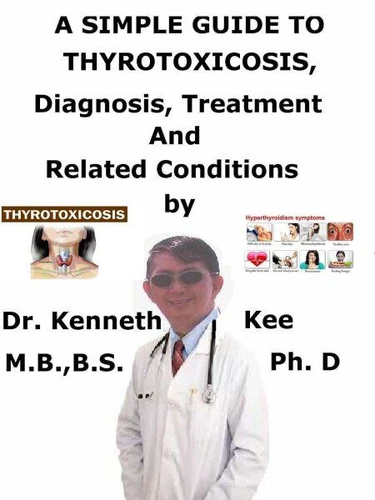
A Simple Guide to Thyrotoxicosis, Diagnosis, Treatment and Related Conditions
Par :Formats :
Disponible dans votre compte client Decitre ou Furet du Nord dès validation de votre commande. Le format ePub est :
- Compatible avec une lecture sur My Vivlio (smartphone, tablette, ordinateur)
- Compatible avec une lecture sur liseuses Vivlio
- Pour les liseuses autres que Vivlio, vous devez utiliser le logiciel Adobe Digital Edition. Non compatible avec la lecture sur les liseuses Kindle, Remarkable et Sony
 , qui est-ce ?
Notre partenaire de plateforme de lecture numérique où vous retrouverez l'ensemble de vos ebooks gratuitement
Pour en savoir plus sur nos ebooks, consultez notre aide en ligne ici
C'est si simple ! Lisez votre ebook avec l'app Vivlio sur votre tablette, mobile ou ordinateur :

- FormatePub
- ISBN978-1-005-84713-5
- EAN9781005847135
- Date de parution14/02/2022
- Protection num.pas de protection
- Infos supplémentairesepub
- ÉditeurC. C. Chamberlane
Résumé
This book describes Thyrotoxicosis, Diagnosis and Treatment and Related DiseasesThyrotoxicosis is a very common disease among women in the clinic. They are usually triggered by stress factors. They normally present with an enlarged thyroid gland although 30 per cent do not. They usually complained of feeling hot all the time even when there is rain and a very fast heart beat. The other signs are loss of weight and tremors of the hands, Sometimes the eyes are seen to be bulging.
Treatment with medications is usually effectiveThyrotoxicosis is the hyper-metabolic disorder that is featured by the many toxic symptoms induced by raised thyroid hormone levels with or without higher thyroid hormone synthesis. Hyperthyroidism is a group of disorders that affect the excessive synthesis and secretion of thyroid hormones by the thyroid gland. Thyrotoxicosis is often erroneously used interchangeably with hyperthyroidism which is a form of thyroid disease caused by excessive endogenous thyroid hormone production.
The medical manifestation differs, ranging from asymptomatic or sub-clinical, to life-threatening thyroid storm. Typical symptoms are caused by the hyper-metabolic state induced by excess thyroid hormones. Thyrotoxicosis is produced by a disorder that raises the output of thyroid hormones:Higher endogenous secretion of thyroid hormoneGraves' disease - diffuse goiter (enlarged thyroid) produced by autoimmune antibodies stimulation of the thyroid gland to secrete more thyroid hormones.
Plummer's Disease (Toxic nodular thyroid)Hashimoto's Disease (Thyroiditis)Toxic thyroid adenoma causes excessive thyroid hormone production from a single nodule in the thyroid gland. TSH-producing adenoma or pituitary adenoma is tumors of the pituitary gland that produce thyroid-stimulating hormone (TSH), which causes excess secretion of thyroid hormones (T3 and T4) by the thyroid glandHCG-mediated thyrotoxicosis: HCG is a hormone that reaches high levels during pregnancy and is a thyroid stimulator that can produce different types of thyrotoxicosis during a pregnancy.
Drug-induced thyrotoxicosis: The drugs which may produce thyrotoxicosis are interferon, molecular-targeted agents, amiodarone, and thyroid hormone itself. Higher exogenous secretion of thyroid hormoneFactitious thyrotoxicosis: thyrotoxicosis due to the accidental or intentional thyroxine ingestion. Idiopathic Hyperthyroid Disease is produced by ingestion of excessive replacement therapy with levothyroxine hormone.
The most frequent cause of thyrotoxicosis is Graves' disease, accompanied by toxic multi-nodular goiter (TMNG) and toxic adenoma (TA). Other causes are thyroiditis, sub-acute thyroiditis, and gestational thyrotoxicosis. Rare causes of thyrotoxicosis are struma ovarii, gestational trophoblastic neoplasia, activation mutations of the TSH receptor and thyroid cancer metastasesPatients with thyrotoxicosis most often present with symptoms linked to excess thyroid hormone such as:Weight loss with increased appetite, Heat intolerance with raised sweating, Palpitations, Tremor, Anxiety, Thyrotoxicosis is evident by reduced TSH levels and raised T3 and T4 levelsThere are 3 main treatments:Anti-thyroid drugsRadioactive iodine therapyThyroid surgerySurgery may be needed:a.
if the thyrotoxicosis did not improve with anti-thyroid drugsb. if the thyrotoxic women do not want radioactive iodine therapyTABLE OF CONTENTIntroductionChapter 1 ThyrotoxicosisChapter 2 CausesChapter 3 SymptomsChapter 4 DiagnosisChapter 5 TreatmentChapter 6 PrognosisChapter 7 Graves's DiseaseChapter 8 Thyroid Eye DiseaseEpilogue
Treatment with medications is usually effectiveThyrotoxicosis is the hyper-metabolic disorder that is featured by the many toxic symptoms induced by raised thyroid hormone levels with or without higher thyroid hormone synthesis. Hyperthyroidism is a group of disorders that affect the excessive synthesis and secretion of thyroid hormones by the thyroid gland. Thyrotoxicosis is often erroneously used interchangeably with hyperthyroidism which is a form of thyroid disease caused by excessive endogenous thyroid hormone production.
The medical manifestation differs, ranging from asymptomatic or sub-clinical, to life-threatening thyroid storm. Typical symptoms are caused by the hyper-metabolic state induced by excess thyroid hormones. Thyrotoxicosis is produced by a disorder that raises the output of thyroid hormones:Higher endogenous secretion of thyroid hormoneGraves' disease - diffuse goiter (enlarged thyroid) produced by autoimmune antibodies stimulation of the thyroid gland to secrete more thyroid hormones.
Plummer's Disease (Toxic nodular thyroid)Hashimoto's Disease (Thyroiditis)Toxic thyroid adenoma causes excessive thyroid hormone production from a single nodule in the thyroid gland. TSH-producing adenoma or pituitary adenoma is tumors of the pituitary gland that produce thyroid-stimulating hormone (TSH), which causes excess secretion of thyroid hormones (T3 and T4) by the thyroid glandHCG-mediated thyrotoxicosis: HCG is a hormone that reaches high levels during pregnancy and is a thyroid stimulator that can produce different types of thyrotoxicosis during a pregnancy.
Drug-induced thyrotoxicosis: The drugs which may produce thyrotoxicosis are interferon, molecular-targeted agents, amiodarone, and thyroid hormone itself. Higher exogenous secretion of thyroid hormoneFactitious thyrotoxicosis: thyrotoxicosis due to the accidental or intentional thyroxine ingestion. Idiopathic Hyperthyroid Disease is produced by ingestion of excessive replacement therapy with levothyroxine hormone.
The most frequent cause of thyrotoxicosis is Graves' disease, accompanied by toxic multi-nodular goiter (TMNG) and toxic adenoma (TA). Other causes are thyroiditis, sub-acute thyroiditis, and gestational thyrotoxicosis. Rare causes of thyrotoxicosis are struma ovarii, gestational trophoblastic neoplasia, activation mutations of the TSH receptor and thyroid cancer metastasesPatients with thyrotoxicosis most often present with symptoms linked to excess thyroid hormone such as:Weight loss with increased appetite, Heat intolerance with raised sweating, Palpitations, Tremor, Anxiety, Thyrotoxicosis is evident by reduced TSH levels and raised T3 and T4 levelsThere are 3 main treatments:Anti-thyroid drugsRadioactive iodine therapyThyroid surgerySurgery may be needed:a.
if the thyrotoxicosis did not improve with anti-thyroid drugsb. if the thyrotoxic women do not want radioactive iodine therapyTABLE OF CONTENTIntroductionChapter 1 ThyrotoxicosisChapter 2 CausesChapter 3 SymptomsChapter 4 DiagnosisChapter 5 TreatmentChapter 6 PrognosisChapter 7 Graves's DiseaseChapter 8 Thyroid Eye DiseaseEpilogue
A propos de Kenneth Kee
4,49 €