SOLDES
Jusqu'à -70% sur une sélection d'articles*

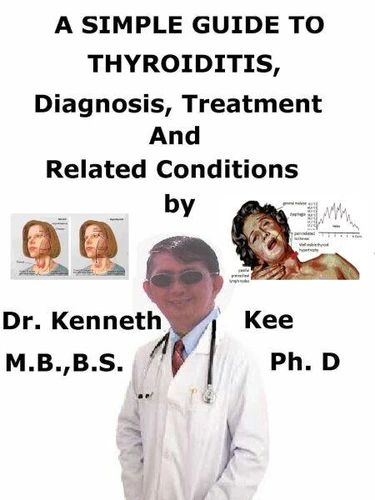
A Simple Guide to Thyroiditis, Diagnosis, Treatment and Related Disorders
Par :Formats :
Disponible dans votre compte client Decitre ou Furet du Nord dès validation de votre commande. Le format ePub est :
- Compatible avec une lecture sur My Vivlio (smartphone, tablette, ordinateur)
- Compatible avec une lecture sur liseuses Vivlio
- Pour les liseuses autres que Vivlio, vous devez utiliser le logiciel Adobe Digital Edition. Non compatible avec la lecture sur les liseuses Kindle, Remarkable et Sony
 , qui est-ce ?
Notre partenaire de plateforme de lecture numérique où vous retrouverez l'ensemble de vos ebooks gratuitement
Pour en savoir plus sur nos ebooks, consultez notre aide en ligne ici
C'est si simple ! Lisez votre ebook avec l'app Vivlio sur votre tablette, mobile ou ordinateur :

- FormatePub
- ISBN978-1-005-07836-2
- EAN9781005078362
- Date de parution23/02/2022
- Protection num.pas de protection
- Infos supplémentairesepub
- ÉditeurC. C. Chamberlane
Résumé
This book describes Thyroiditis, Diagnosis and Treatment and Related DiseasesThe term thyroiditis indicates inflammation of the thyroid gland. Thyroiditis can be classified based on the start of symptoms, underlying cause and medical symptoms. The most frequent cause of thyroiditis is an autoimmune disease. Thyroiditis can cause temporary or permanent hypothyroidism and hyperthyroidismThyrotoxic phaseThyrotoxicosis indicates that the thyroid is inflamed and secretes too many hormones.
Hypothyroid phaseAfter the excessive secretion of thyroid hormones for a few weeks or months, the thyroid will not have sufficient thyroid hormones to release. This causes a lack of thyroid hormones or hypothyroidism. Euthyroid phaseDuring the final euthyroid phase, the thyroid hormone levels return to normal. This phase may come transiently after the thyrotoxic phase before continuing to the hypothyroid phase, or it may terminate after the thyroid gland has healed from the inflammation and is able to maintain a normal hormone level.
Types of thyroiditisHashimoto's thyroiditis: an autoimmune disorder produced by anti-thyroid antibodies. This is the most frequent type of thyroiditis and 5 times more frequent in women than in men. Hashimoto's thyroiditis normally leads to hypothyroidism, and thyroid hormone replacement treatment is required. Silent thyroiditis or painless thyroiditis: another autoimmune disease produced by anti-thyroid antibodies.
It is also frequent in women and the next frequent cause after Hashimoto's thyroiditis. Post-partum thyroiditis: an autoimmune disorder produced by anti-thyroid antibodies that occasionally happens shortly after a woman gives birthRadiation-induced thyroiditis: a disorder produced by external radiation used as a medical treatment for certain cancers, or by radioactive iodine used to treat hyperthyroidismSub-acute thyroiditis or de Quervain's thyroiditis: an often painful disorder believed to be produced by a virusAcute thyroiditis or suppurative thyroiditis: a relatively rare disorder produced by an infectious organism or bacteriumDrug-induced thyroiditis: a disorder is produced by the use of drugs such as amiodarone, interferons, lithium, and cytokines.
Thyroiditis can happen due to:Autoimmune disease (Hashimoto thyroiditis, Graves disease, postpartum thyroiditis or painless sporadic thyroiditis), Infection (painful sub-acute thyroiditis or suppurative thyroiditis), Drugs (amiodarone, lithium, interferons and interleukin-2; and checkpoint inhibitors) orFibrosis (Riedel thyroiditis)It can be categorized into acute, sub-acute, and chronic thyroiditis.
Acute thyroiditis is produced by bacterial infection of the gland. Sub-acute, also termed granulomatous thyroiditis, is produced by viruses. Chronic involves autoimmune thyroiditis, Hashimoto thyroiditis, postpartum thyroiditis, and other painless thyroiditis, such as iatrogenic and drug-induced thyroiditis. Thyroid-stimulating hormone (TSH) should be examined to see if the patient has hyperthyroidism or hypothyroidism.
Thyroid microsomal antibodies and thyroid receptor antibodies can be examined for confirmation of autoimmune thyroid disease. Erythrocyte sedimentation rate (ESR) and C-reactive protein (CRP) are raised in infectious thyroiditis (bacterial). Thyroid ultrasound is the most important and most often used imaging method for evaluation of the thyroid gland. The treatment of thyroiditis is dependent on the type, symptoms, and phase of thyroiditis.
TABLE OF CONTENTIntroductionChapter 1 ThyroiditisChapter 2 CausesChapter 3 SymptomsChapter 4 DiagnosisChapter 5 TreatmentChapter 6 ...
Hypothyroid phaseAfter the excessive secretion of thyroid hormones for a few weeks or months, the thyroid will not have sufficient thyroid hormones to release. This causes a lack of thyroid hormones or hypothyroidism. Euthyroid phaseDuring the final euthyroid phase, the thyroid hormone levels return to normal. This phase may come transiently after the thyrotoxic phase before continuing to the hypothyroid phase, or it may terminate after the thyroid gland has healed from the inflammation and is able to maintain a normal hormone level.
Types of thyroiditisHashimoto's thyroiditis: an autoimmune disorder produced by anti-thyroid antibodies. This is the most frequent type of thyroiditis and 5 times more frequent in women than in men. Hashimoto's thyroiditis normally leads to hypothyroidism, and thyroid hormone replacement treatment is required. Silent thyroiditis or painless thyroiditis: another autoimmune disease produced by anti-thyroid antibodies.
It is also frequent in women and the next frequent cause after Hashimoto's thyroiditis. Post-partum thyroiditis: an autoimmune disorder produced by anti-thyroid antibodies that occasionally happens shortly after a woman gives birthRadiation-induced thyroiditis: a disorder produced by external radiation used as a medical treatment for certain cancers, or by radioactive iodine used to treat hyperthyroidismSub-acute thyroiditis or de Quervain's thyroiditis: an often painful disorder believed to be produced by a virusAcute thyroiditis or suppurative thyroiditis: a relatively rare disorder produced by an infectious organism or bacteriumDrug-induced thyroiditis: a disorder is produced by the use of drugs such as amiodarone, interferons, lithium, and cytokines.
Thyroiditis can happen due to:Autoimmune disease (Hashimoto thyroiditis, Graves disease, postpartum thyroiditis or painless sporadic thyroiditis), Infection (painful sub-acute thyroiditis or suppurative thyroiditis), Drugs (amiodarone, lithium, interferons and interleukin-2; and checkpoint inhibitors) orFibrosis (Riedel thyroiditis)It can be categorized into acute, sub-acute, and chronic thyroiditis.
Acute thyroiditis is produced by bacterial infection of the gland. Sub-acute, also termed granulomatous thyroiditis, is produced by viruses. Chronic involves autoimmune thyroiditis, Hashimoto thyroiditis, postpartum thyroiditis, and other painless thyroiditis, such as iatrogenic and drug-induced thyroiditis. Thyroid-stimulating hormone (TSH) should be examined to see if the patient has hyperthyroidism or hypothyroidism.
Thyroid microsomal antibodies and thyroid receptor antibodies can be examined for confirmation of autoimmune thyroid disease. Erythrocyte sedimentation rate (ESR) and C-reactive protein (CRP) are raised in infectious thyroiditis (bacterial). Thyroid ultrasound is the most important and most often used imaging method for evaluation of the thyroid gland. The treatment of thyroiditis is dependent on the type, symptoms, and phase of thyroiditis.
TABLE OF CONTENTIntroductionChapter 1 ThyroiditisChapter 2 CausesChapter 3 SymptomsChapter 4 DiagnosisChapter 5 TreatmentChapter 6 ...
A propos de Kenneth Kee

4,49 €