SOLDES
Jusqu'à -70% sur une sélection d'articles*

A Simple Guide to the Heel Spur, Diagnosis, Treatment and Related Conditions
Par :Formats :
Disponible dans votre compte client Decitre ou Furet du Nord dès validation de votre commande. Le format ePub est :
- Compatible avec une lecture sur My Vivlio (smartphone, tablette, ordinateur)
- Compatible avec une lecture sur liseuses Vivlio
- Pour les liseuses autres que Vivlio, vous devez utiliser le logiciel Adobe Digital Edition. Non compatible avec la lecture sur les liseuses Kindle, Remarkable et Sony
 , qui est-ce ?
Notre partenaire de plateforme de lecture numérique où vous retrouverez l'ensemble de vos ebooks gratuitement
Pour en savoir plus sur nos ebooks, consultez notre aide en ligne ici
C'est si simple ! Lisez votre ebook avec l'app Vivlio sur votre tablette, mobile ou ordinateur :

- FormatePub
- ISBN8215077252
- EAN9798215077252
- Date de parution26/01/2023
- Protection num.pas de protection
- Infos supplémentairesepub
- ÉditeurWMG Publishing
Résumé
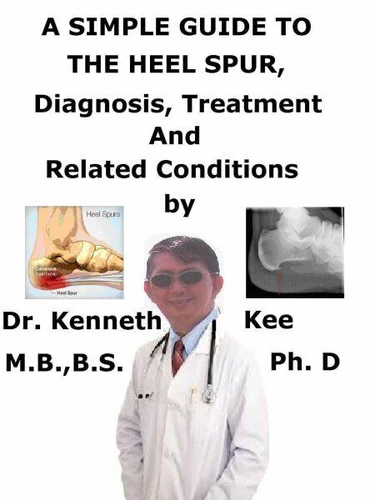
This book describes The Heel Spur, Diagnosis and Treatment and Related DiseasesRecently I have a patient who had a severe pain in the right heel while walking for the past 6 months. He had seen several doctors and even an acupuncturist without improvement. The first thing after examining his heel was to send him for an X-ray of the heel. The X-ray showed the presence of a bony spur on the underside of the calcaneum or heel bone.
The bony heel spur may not cause pain but can produce painful inflammation of the fibrous band of connective tissue (plantar fascia) that passes along the bottom of the foot. This inflammation of the fascia (plantar fasciitis) is what causes the pain in my patient when walking. The treatment is injection of steroid to the inflamed area or surgical removal of the heel spur. The patient improves after several injections of steroid.
A heel spur is a small bony outgrowth that is formed on the calcaneum or heel bone, either at the back of the heel or under the sole of the heel. It is caused by injury to the bone that has accumulated over a long period of time as a result of chronic inflammation of the Achilles tendon in the calf or the tough connective tissue called the plantar fascia, which is present on the soles of the feet.
An X-ray is often required to verify a heel spur diagnosis. A heel spur may form a bony protrusion on the underside of the heel bone extending by as much as 1.25cm (half an inch). The heel spur is the pointed bony outgrowth of the heel bone that can cause immense pain in the foot region and restrict the mobility of the sufferer. The heel spur can induce swelling or pain in one or more joints and also restrict the joint movement.
While the heel spur may not affect the patient's health, it can cause problems with the mobility. The calcaneus bone of the heel can develop the pointed bony outgrowth slowly over the years. The outgrowth can produce chronic local inflammation by inducing the swelling in the soft-tissue tendons or the fascia. The heel spur can also appear under the heel, back of the heel or underneath the sole of the foot.
Inflammation of the Achilles tendon can cause the protrusion of the heel spur at the back of the heel leading to pain and tenderness at the back of the heel. The disorder becomes worse while the person is pushing off the ball of the foot. Risk factors for heel spurs are:Walking gait abnormalities, which put additional stress on the heel bone, ligaments and nerves near the heelRunning or jogging, specifically on hard surfacesPoorly shaped or badly fitting worn out shoes, mainly those having lack of proper arch supportOver weight and obesityThe physical examination can reveal the tenderness at the heel spur.
The patient's walk is monitored to detect the problem. With heel spur, it becomes difficult to walk barefoot on wooden floors, tiles or hard surfaces. To finally confirm the diagnosis and exclude other causes of heel pain like arthritis, the doctor may request other investigations such as X-rays. Non-surgical treatments for heel spursStretching exercisesImproved shoesAnkle taping or strapping to relax stressed muscles and tendonsShoe inserts or orthotic devicesPhysiotherapyExtra-corporeal shockwave therapyA course of steroid injectionsIf conservative treatment does not treat symptoms of heel spurs after 9 to 12 months, surgery may be required to alleviate pain and recover mobility byRelease of the plantar fascia.
Removal of the spurTABLE OF CONTENTIntroductionChapter 1 Heel SpurChapter 2 CausesChapter 3 SymptomsChapter 4 DiagnosisChapter 5 TreatmentChapter 6 PrognosisChapter 7 Plantar FasciitisChapter 8 Achilles' Tendonit...
The bony heel spur may not cause pain but can produce painful inflammation of the fibrous band of connective tissue (plantar fascia) that passes along the bottom of the foot. This inflammation of the fascia (plantar fasciitis) is what causes the pain in my patient when walking. The treatment is injection of steroid to the inflamed area or surgical removal of the heel spur. The patient improves after several injections of steroid.
A heel spur is a small bony outgrowth that is formed on the calcaneum or heel bone, either at the back of the heel or under the sole of the heel. It is caused by injury to the bone that has accumulated over a long period of time as a result of chronic inflammation of the Achilles tendon in the calf or the tough connective tissue called the plantar fascia, which is present on the soles of the feet.
An X-ray is often required to verify a heel spur diagnosis. A heel spur may form a bony protrusion on the underside of the heel bone extending by as much as 1.25cm (half an inch). The heel spur is the pointed bony outgrowth of the heel bone that can cause immense pain in the foot region and restrict the mobility of the sufferer. The heel spur can induce swelling or pain in one or more joints and also restrict the joint movement.
While the heel spur may not affect the patient's health, it can cause problems with the mobility. The calcaneus bone of the heel can develop the pointed bony outgrowth slowly over the years. The outgrowth can produce chronic local inflammation by inducing the swelling in the soft-tissue tendons or the fascia. The heel spur can also appear under the heel, back of the heel or underneath the sole of the foot.
Inflammation of the Achilles tendon can cause the protrusion of the heel spur at the back of the heel leading to pain and tenderness at the back of the heel. The disorder becomes worse while the person is pushing off the ball of the foot. Risk factors for heel spurs are:Walking gait abnormalities, which put additional stress on the heel bone, ligaments and nerves near the heelRunning or jogging, specifically on hard surfacesPoorly shaped or badly fitting worn out shoes, mainly those having lack of proper arch supportOver weight and obesityThe physical examination can reveal the tenderness at the heel spur.
The patient's walk is monitored to detect the problem. With heel spur, it becomes difficult to walk barefoot on wooden floors, tiles or hard surfaces. To finally confirm the diagnosis and exclude other causes of heel pain like arthritis, the doctor may request other investigations such as X-rays. Non-surgical treatments for heel spursStretching exercisesImproved shoesAnkle taping or strapping to relax stressed muscles and tendonsShoe inserts or orthotic devicesPhysiotherapyExtra-corporeal shockwave therapyA course of steroid injectionsIf conservative treatment does not treat symptoms of heel spurs after 9 to 12 months, surgery may be required to alleviate pain and recover mobility byRelease of the plantar fascia.
Removal of the spurTABLE OF CONTENTIntroductionChapter 1 Heel SpurChapter 2 CausesChapter 3 SymptomsChapter 4 DiagnosisChapter 5 TreatmentChapter 6 PrognosisChapter 7 Plantar FasciitisChapter 8 Achilles' Tendonit...
A propos de Kenneth Kee

4,49 €