SOLDES
Jusqu'à -70% sur une sélection d'articles*

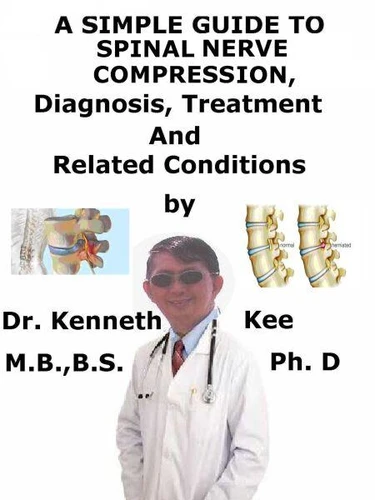
A Simple Guide to Spinal Nerve Compression, Diagnosis, Treatment and Related Conditions
Par :Formats :
Disponible dans votre compte client Decitre ou Furet du Nord dès validation de votre commande. Le format ePub est :
- Compatible avec une lecture sur My Vivlio (smartphone, tablette, ordinateur)
- Compatible avec une lecture sur liseuses Vivlio
- Pour les liseuses autres que Vivlio, vous devez utiliser le logiciel Adobe Digital Edition. Non compatible avec la lecture sur les liseuses Kindle, Remarkable et Sony
 , qui est-ce ?
Notre partenaire de plateforme de lecture numérique où vous retrouverez l'ensemble de vos ebooks gratuitement
Pour en savoir plus sur nos ebooks, consultez notre aide en ligne ici
C'est si simple ! Lisez votre ebook avec l'app Vivlio sur votre tablette, mobile ou ordinateur :

- FormatePub
- ISBN978-1-005-43165-5
- EAN9781005431655
- Date de parution21/04/2022
- Protection num.pas de protection
- Infos supplémentairesepub
- ÉditeurC. C. Chamberlane
Résumé
This book describes Spinal Nerve Compression, Diagnosis and Treatment and Related DiseasesCompressed Spinal NerveA compressed spinal nerve occurs when a nerve is pressed onBy other surrounding tissues such as muscles and boneThis can result in nerve pain, tingling and numbnessAnd difficulty controlling specific muscles or weaknessThe nerve injury may result from compression, constrictionFrom a bone spur or overstretched muscle tensionSharp or burning pain may radiate outward.
Sometimes coughing or sneezing causes the pain downwardTreatment is by rest of the affected nerveExercising can strengthen the muscles the nerve servesAnalgesics such as brufen will relieve the painCorticosteroid injections help to relieve the inflamedSurgery is the last resort to release pressure on the pinched nerveBy removing the spurs or cutting the ligaments of the tight carpal tunnelAn inter-vertebral disk is excised whole or part by partAnd replaced with a bone graft or metal disk is inserted-An original poem by Kenneth KeeRecently I have a female elderly patient who had such severe pain on her right that she was unable to walk.
This severe pain started suddenly, beginning from the right back and going down her right leg. I suspected sciatica of the right leg due to a possible herniated disc. However she was able to bend her back forward and backward without much pain. A straight leg raising test on the right leg was negative. At the same time she has swelling and pain of both knees, suggesting knee osteoarthritis. I prescribed some pain killer (Arcoxia) and when the pain did not go away suggested that she undergo a MRI of the back and both knees.
The MRI showed the bulging of the discs at L4 and L5 and a tear of the sheath covering the bulging disc at L4 and mild osteoarthritis of the knees. It was a tear and bulging L4 disc that causes the severe pain and the inability to walk. Pregabalin or Lyrica an anticonvulsant medicine used to treat neuropathic pain was given to treat the pain while she was told to rest and avoid putting pressure on her leg by using a walking frame.
She is at present recovering from the nerve pain with rest and use of a walking frame. The spinal cord comprises 31 pairs of nerves that supply sensation and movement to different regions of the body. These large nerves branch off from the spinal cord and leave the spinal canal through small openings in the bony vertebrae that comprise the spinal column (backbone). Many disorders can induce this opening to become narrow leading to spinal nerve compression, also termed a pinched spinal nerve.
A pinched spinal nerve is a frequent cause of pain and stiffness but spinal nerve compression can happen anywhere along the spine, from the top (cervical spine) to the bottom (sacrum). Often, spinal nerve compression indicates an aggravation more than a health threat but an untreated compressed nerve in the spine could cause chronic pain or muscle weakness. A compressed spinal nerve can happen anywhere in the body.
A herniated disk in the lumbar spine may cause pressure on a nerve root producing severe pain that radiates down the back of the leg (sciatica). Spinal nerve compression symptoms often are pain, tingling, numbness and muscle weakness or twitching in the affected areaGadolinium contrast-enhanced MR imaging is the best method for diagnosisConservative noninvasive treatment is normally the first treatment.
TABLE OF CONTENTIntroductionChapter 1 Spinal Nerve CompressionChapter 2 CausesChapter 3 SymptomsChapter 4 DiagnosisChapter 5 TreatmentChapter 6 PrognosisChapter 7 Herniated DiscChapter 8 SciaticaEpilogue
Sometimes coughing or sneezing causes the pain downwardTreatment is by rest of the affected nerveExercising can strengthen the muscles the nerve servesAnalgesics such as brufen will relieve the painCorticosteroid injections help to relieve the inflamedSurgery is the last resort to release pressure on the pinched nerveBy removing the spurs or cutting the ligaments of the tight carpal tunnelAn inter-vertebral disk is excised whole or part by partAnd replaced with a bone graft or metal disk is inserted-An original poem by Kenneth KeeRecently I have a female elderly patient who had such severe pain on her right that she was unable to walk.
This severe pain started suddenly, beginning from the right back and going down her right leg. I suspected sciatica of the right leg due to a possible herniated disc. However she was able to bend her back forward and backward without much pain. A straight leg raising test on the right leg was negative. At the same time she has swelling and pain of both knees, suggesting knee osteoarthritis. I prescribed some pain killer (Arcoxia) and when the pain did not go away suggested that she undergo a MRI of the back and both knees.
The MRI showed the bulging of the discs at L4 and L5 and a tear of the sheath covering the bulging disc at L4 and mild osteoarthritis of the knees. It was a tear and bulging L4 disc that causes the severe pain and the inability to walk. Pregabalin or Lyrica an anticonvulsant medicine used to treat neuropathic pain was given to treat the pain while she was told to rest and avoid putting pressure on her leg by using a walking frame.
She is at present recovering from the nerve pain with rest and use of a walking frame. The spinal cord comprises 31 pairs of nerves that supply sensation and movement to different regions of the body. These large nerves branch off from the spinal cord and leave the spinal canal through small openings in the bony vertebrae that comprise the spinal column (backbone). Many disorders can induce this opening to become narrow leading to spinal nerve compression, also termed a pinched spinal nerve.
A pinched spinal nerve is a frequent cause of pain and stiffness but spinal nerve compression can happen anywhere along the spine, from the top (cervical spine) to the bottom (sacrum). Often, spinal nerve compression indicates an aggravation more than a health threat but an untreated compressed nerve in the spine could cause chronic pain or muscle weakness. A compressed spinal nerve can happen anywhere in the body.
A herniated disk in the lumbar spine may cause pressure on a nerve root producing severe pain that radiates down the back of the leg (sciatica). Spinal nerve compression symptoms often are pain, tingling, numbness and muscle weakness or twitching in the affected areaGadolinium contrast-enhanced MR imaging is the best method for diagnosisConservative noninvasive treatment is normally the first treatment.
TABLE OF CONTENTIntroductionChapter 1 Spinal Nerve CompressionChapter 2 CausesChapter 3 SymptomsChapter 4 DiagnosisChapter 5 TreatmentChapter 6 PrognosisChapter 7 Herniated DiscChapter 8 SciaticaEpilogue
A propos de Kenneth Kee




4,49 €