SOLDES
Jusqu'à -70% sur une sélection d'articles*

A Simple Guide to Small Intestinal Bacterial Overgrowth, Diagnosis, Treatment and Related Conditions
Par :Formats :
Disponible dans votre compte client Decitre ou Furet du Nord dès validation de votre commande. Le format ePub est :
- Compatible avec une lecture sur My Vivlio (smartphone, tablette, ordinateur)
- Compatible avec une lecture sur liseuses Vivlio
- Pour les liseuses autres que Vivlio, vous devez utiliser le logiciel Adobe Digital Edition. Non compatible avec la lecture sur les liseuses Kindle, Remarkable et Sony
 , qui est-ce ?
Notre partenaire de plateforme de lecture numérique où vous retrouverez l'ensemble de vos ebooks gratuitement
Pour en savoir plus sur nos ebooks, consultez notre aide en ligne ici
C'est si simple ! Lisez votre ebook avec l'app Vivlio sur votre tablette, mobile ou ordinateur :

- FormatePub
- ISBN978-1-005-31006-6
- EAN9781005310066
- Date de parution15/04/2021
- Protection num.pas de protection
- Infos supplémentairesepub
- ÉditeurC. C. Chamberlane
Résumé
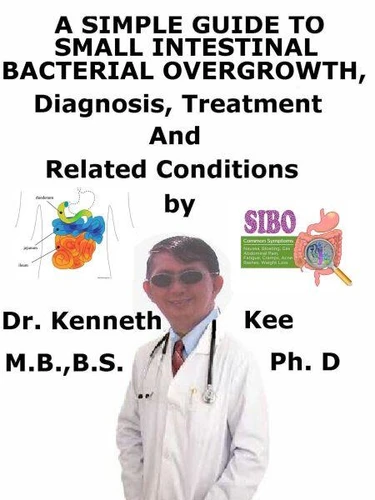
This book describes Small Intestinal Bacterial Overgrowth, Diagnosis and Treatment and Related DiseasesSmall intestinal bacterial overgrowth (SIBO) is a serious disorder affecting the small intestine. It happens when bacteria that normally grow in other parts of the intestines begin growing in the small intestine. That produces pain and diarrhea. It can also cause malnutrition as the bacteria begin to use up the body's nutrients.
In contrast to the colon, the concentration of the bacteria in the small intestine rarely surpasses 1000 organisms/mL. Gastric acid secretion and intestinal motility restrict the overgrowth of bacteria in the small intestine. When these protective mechanisms against excessive bacterial growth do not succeed, small intestinal bacterial overgrowth (SIBO) can manifest. Due to its increased awareness and understanding, SIBO is now often regarded in most doctors' differential diagnosis in patients with non-specific gastrointestinal complaints.
SIBO is not well understood. It can happen when:1. The small bowel has anatomical abnormalities2. The pH changes in the small bowel3. The immune system is not working properly4. The muscular activity of the small intestine malfunctions, which indicates that food and bacteria are not removed from the organSIBO is linked with different disorders such as:1. Viral gastroenteritis or a stomach bug2. Celiac disease3.
Crohn's disease4. Hypochlorhydria or low stomach acid levels5. Gastroparesis6. Nerve damage7. Cirrhosis8. Portal hypertension9. Irritable bowel syndrome10. Certain gastric bypass procedures11. Surgeries that cause strictures or adhesionsRisk factorsHaving a chronic disorder or surgery that affects the gastrointestinal (GI) tract can put the patient at risk of SIBO. Certain diseases and chronic disorders can also increase the risk such as:1.
Crohn's disease2. Diabetes3. Scleroderma4. HIV5. Parkinson's disease6. Hypothyroidism7. Medicines that slow down the gut, such as narcoticsThe natural cause of small intestinal bacterial overgrowth is complicated. There are many significant host defense mechanisms against bacterial overgrowth. When these defensive barriers do not succeed, SIBO happens. Upon ingestion of food, the gastric acids and bile destroy and prevent bacteria from passing through the intestines.
Disorders that produce achlorhydria are linked with SIBO. Also, proteolytic enzymes digest and degrade bacteria in the intestines. Chronic pancreatic insufficiency is linked with SIBO. Migrating motor complex is accountable for peristalsis and cleansing the small intestine. SIBO is linked with disorders of abnormal gastrointestinal motility such as:1. Irritable bowel syndrome, 2. Narcotic use, 3. Post-radiation enteropathy, 4.
Hypothyroidism, 5. Diabetes mellitus, and6. Scleroderma. An intact ileocecal valve and antegrade motility stop retrograde translocation of colonic bacteria. Anatomical abnormalities cause stasis of the bowels which may predispose to SIBO.1. Bowel strictures, 2. Small intestinal diverticulosis, 3. Post-operative adhesions, 4. Gastric bypasses with blind intestinal loops and5. Ileocecal resection. Lastly, immunoglobin A stops bacterial proliferation and maintains intestinal immunity.
The symptoms of small intestinal bacterial overgrowth involve a combination of abdominal discomfort with bloating, flatulence, or chronic watery diarrhea. A breath test is a frequent test for diagnosing SIBO. Rarely a jejunal aspirate culture is done. SIBO can be treated with a combination of antibiotic...
In contrast to the colon, the concentration of the bacteria in the small intestine rarely surpasses 1000 organisms/mL. Gastric acid secretion and intestinal motility restrict the overgrowth of bacteria in the small intestine. When these protective mechanisms against excessive bacterial growth do not succeed, small intestinal bacterial overgrowth (SIBO) can manifest. Due to its increased awareness and understanding, SIBO is now often regarded in most doctors' differential diagnosis in patients with non-specific gastrointestinal complaints.
SIBO is not well understood. It can happen when:1. The small bowel has anatomical abnormalities2. The pH changes in the small bowel3. The immune system is not working properly4. The muscular activity of the small intestine malfunctions, which indicates that food and bacteria are not removed from the organSIBO is linked with different disorders such as:1. Viral gastroenteritis or a stomach bug2. Celiac disease3.
Crohn's disease4. Hypochlorhydria or low stomach acid levels5. Gastroparesis6. Nerve damage7. Cirrhosis8. Portal hypertension9. Irritable bowel syndrome10. Certain gastric bypass procedures11. Surgeries that cause strictures or adhesionsRisk factorsHaving a chronic disorder or surgery that affects the gastrointestinal (GI) tract can put the patient at risk of SIBO. Certain diseases and chronic disorders can also increase the risk such as:1.
Crohn's disease2. Diabetes3. Scleroderma4. HIV5. Parkinson's disease6. Hypothyroidism7. Medicines that slow down the gut, such as narcoticsThe natural cause of small intestinal bacterial overgrowth is complicated. There are many significant host defense mechanisms against bacterial overgrowth. When these defensive barriers do not succeed, SIBO happens. Upon ingestion of food, the gastric acids and bile destroy and prevent bacteria from passing through the intestines.
Disorders that produce achlorhydria are linked with SIBO. Also, proteolytic enzymes digest and degrade bacteria in the intestines. Chronic pancreatic insufficiency is linked with SIBO. Migrating motor complex is accountable for peristalsis and cleansing the small intestine. SIBO is linked with disorders of abnormal gastrointestinal motility such as:1. Irritable bowel syndrome, 2. Narcotic use, 3. Post-radiation enteropathy, 4.
Hypothyroidism, 5. Diabetes mellitus, and6. Scleroderma. An intact ileocecal valve and antegrade motility stop retrograde translocation of colonic bacteria. Anatomical abnormalities cause stasis of the bowels which may predispose to SIBO.1. Bowel strictures, 2. Small intestinal diverticulosis, 3. Post-operative adhesions, 4. Gastric bypasses with blind intestinal loops and5. Ileocecal resection. Lastly, immunoglobin A stops bacterial proliferation and maintains intestinal immunity.
The symptoms of small intestinal bacterial overgrowth involve a combination of abdominal discomfort with bloating, flatulence, or chronic watery diarrhea. A breath test is a frequent test for diagnosing SIBO. Rarely a jejunal aspirate culture is done. SIBO can be treated with a combination of antibiotic...
A propos de Kenneth Kee

4,49 €