SOLDES
Jusqu'à -70% sur une sélection d'articles*

A Simple Guide to Slouching Posture, Diagnosis, Treatment and Related Conditions
Par :Formats :
Disponible dans votre compte client Decitre ou Furet du Nord dès validation de votre commande. Le format ePub est :
- Compatible avec une lecture sur My Vivlio (smartphone, tablette, ordinateur)
- Compatible avec une lecture sur liseuses Vivlio
- Pour les liseuses autres que Vivlio, vous devez utiliser le logiciel Adobe Digital Edition. Non compatible avec la lecture sur les liseuses Kindle, Remarkable et Sony
 , qui est-ce ?
Notre partenaire de plateforme de lecture numérique où vous retrouverez l'ensemble de vos ebooks gratuitement
Pour en savoir plus sur nos ebooks, consultez notre aide en ligne ici
C'est si simple ! Lisez votre ebook avec l'app Vivlio sur votre tablette, mobile ou ordinateur :

- FormatePub
- ISBN978-0-463-90842-6
- EAN9780463908426
- Date de parution25/01/2022
- Protection num.pas de protection
- Infos supplémentairesepub
- ÉditeurBluewater
Résumé
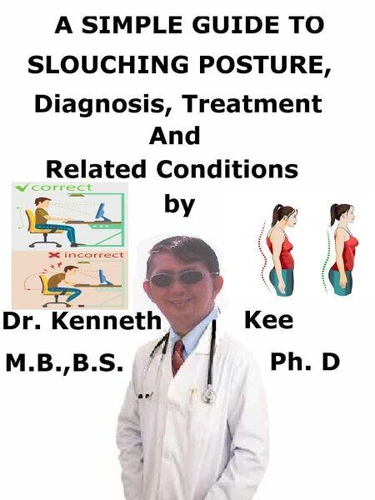
This book describes the Slouching Posture, Diagnosis and Treatment and Related DiseasesThis book took me a longer time to complete because I was trying out all the methods to improve the posture. All treatment methods are found to help! Kenneth KeeGenerally people sit hunched, arms crossed in a judgmental way, the whole of the bodies pulled into a frown - Jeremy HardyThe slouch (also called iHunch) is a term used to indicate a person when they sharply bend their neck over their tablet or phone.
This action pushes the head forward in an unnatural position and places a lot of pressure on the spine. A slouching posture can cause a number of medical disorders throughout the body such as back and neck pain, difficulty breathing, poor digestion, nerve issues and more. A slouching posture places stress on the joints and tissues, producing joint stiffness, weakened muscles, and inflammation. For many people, this disorder does not appear that serious.
The moment the person starts to feel the neck pain, back pain, headaches, and major shoulder pain, the person will begin to understand how serious this disorder is. A slouching posture on the other hand is the form of posture that happens from certain muscles tightening up or shortening while others lengthen and become weak. When a person considers posture, that person considers models that have to train to walk with good posture by learning to walk confidently with a book placed on their head.
A slouching posture can have an intense effect on the risk of producing lower back pain, headaches and other linked discomforts. A slouching posture can also induce physical pain and emotional distress. The slouching posture (also called "texting neck") has become an epidemic with everyone always bent down to look at their phones or tablets. People spend on average more than 3.75 hours daily bent over their phones.
The more people slouch, the greater is the weight that people place onto the spine. This can produce permanent spine curvature, back pain, neck pain, and headaches. Causes are:FatigueFoot PlacementShoulder SlumpArched Lower BackLocked KneesRisk factors that can affect the slouching posture are:Prolonged SittingOccupationSporting ActivitiesGeneral FitnessSymptoms:The most frequent symptoms of the slouch are:PotbellyPain anywhere on the bodyMuscle fatigueRounded shouldersBent knees when walking or standingHeadachesBack painThe head leans backward or forwardHunching can damage the lungs by lowering lung capacity by up to a third of its regular capability.
Oxygenated blood insufficiency can lead to blood and vascular disease and shortness of breath. Heartburn and Poor Digestion is affected by hunching since it makes it more difficult for food to pass through the intestines efficiently. Poor slouching posture induces constipation and stress incontinencePoor slouching posture results in problems with the body's fibers, nervous system and musclesSlouching is not good for the self-esteemThe first rule of treatment of the Slouch is to be aware of any slouching and prevent the formation of a SlouchThe correction of bad slouching posture takes the pressure off the joints by performing posture-strengthening exercises and practicing good posture:Stand UprightWalk Like There is a Book on The HeadSit uprightChange positionAvoid backpacksDo not slouch to Text or Using the computerSelect a Proper MattressDo Yoga stretchesTABLE OF CONTENTIntroductionChapter 1 Slouching PostureChapter 2 CausesChapter 3 SymptomsChapter 4 DiagnosisChapter 5 TreatmentChapter 6 Prognosis...
This action pushes the head forward in an unnatural position and places a lot of pressure on the spine. A slouching posture can cause a number of medical disorders throughout the body such as back and neck pain, difficulty breathing, poor digestion, nerve issues and more. A slouching posture places stress on the joints and tissues, producing joint stiffness, weakened muscles, and inflammation. For many people, this disorder does not appear that serious.
The moment the person starts to feel the neck pain, back pain, headaches, and major shoulder pain, the person will begin to understand how serious this disorder is. A slouching posture on the other hand is the form of posture that happens from certain muscles tightening up or shortening while others lengthen and become weak. When a person considers posture, that person considers models that have to train to walk with good posture by learning to walk confidently with a book placed on their head.
A slouching posture can have an intense effect on the risk of producing lower back pain, headaches and other linked discomforts. A slouching posture can also induce physical pain and emotional distress. The slouching posture (also called "texting neck") has become an epidemic with everyone always bent down to look at their phones or tablets. People spend on average more than 3.75 hours daily bent over their phones.
The more people slouch, the greater is the weight that people place onto the spine. This can produce permanent spine curvature, back pain, neck pain, and headaches. Causes are:FatigueFoot PlacementShoulder SlumpArched Lower BackLocked KneesRisk factors that can affect the slouching posture are:Prolonged SittingOccupationSporting ActivitiesGeneral FitnessSymptoms:The most frequent symptoms of the slouch are:PotbellyPain anywhere on the bodyMuscle fatigueRounded shouldersBent knees when walking or standingHeadachesBack painThe head leans backward or forwardHunching can damage the lungs by lowering lung capacity by up to a third of its regular capability.
Oxygenated blood insufficiency can lead to blood and vascular disease and shortness of breath. Heartburn and Poor Digestion is affected by hunching since it makes it more difficult for food to pass through the intestines efficiently. Poor slouching posture induces constipation and stress incontinencePoor slouching posture results in problems with the body's fibers, nervous system and musclesSlouching is not good for the self-esteemThe first rule of treatment of the Slouch is to be aware of any slouching and prevent the formation of a SlouchThe correction of bad slouching posture takes the pressure off the joints by performing posture-strengthening exercises and practicing good posture:Stand UprightWalk Like There is a Book on The HeadSit uprightChange positionAvoid backpacksDo not slouch to Text or Using the computerSelect a Proper MattressDo Yoga stretchesTABLE OF CONTENTIntroductionChapter 1 Slouching PostureChapter 2 CausesChapter 3 SymptomsChapter 4 DiagnosisChapter 5 TreatmentChapter 6 Prognosis...
A propos de Kenneth Kee


4,49 €