SOLDES
Jusqu'à -70% sur une sélection d'articles*

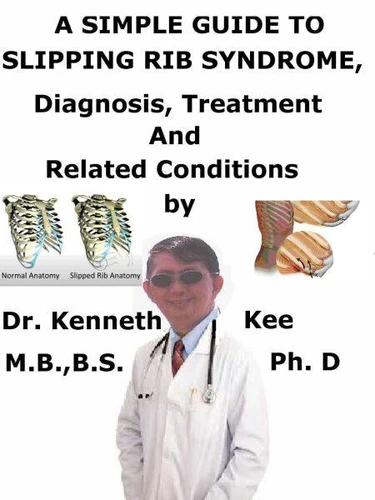
A Simple Guide to Slipping Rib Syndrome, Diagnosis, Treatment and Related Conditions
Par :Formats :
Disponible dans votre compte client Decitre ou Furet du Nord dès validation de votre commande. Le format ePub est :
- Compatible avec une lecture sur My Vivlio (smartphone, tablette, ordinateur)
- Compatible avec une lecture sur liseuses Vivlio
- Pour les liseuses autres que Vivlio, vous devez utiliser le logiciel Adobe Digital Edition. Non compatible avec la lecture sur les liseuses Kindle, Remarkable et Sony
 , qui est-ce ?
Notre partenaire de plateforme de lecture numérique où vous retrouverez l'ensemble de vos ebooks gratuitement
Pour en savoir plus sur nos ebooks, consultez notre aide en ligne ici
C'est si simple ! Lisez votre ebook avec l'app Vivlio sur votre tablette, mobile ou ordinateur :

- FormatePub
- ISBN978-1-005-59534-0
- EAN9781005595340
- Date de parution21/03/2022
- Protection num.pas de protection
- Infos supplémentairesepub
- ÉditeurC. C. Chamberlane
Résumé
This book describes Slipping Rib Syndrome, Diagnosis and Treatment and Related DisordersSlipping rib syndrome happens when the costal cartilage securing ribs 8, 9 and 10, breaks, and allows the rib to sublux (partially dislocate), becoming hypermobile, and moving abnormally to cause pain in their chest or upper abdomen. The disorder is slightly more frequent in women than men. It has been documented in people as young as 12 years and as old as mid-80s but it mostly involves middle-aged people.
Overall, the syndrome is regarded as rare. The precise cause of slipping rib syndrome is not well understood. Slipping rib syndrome might happen after a trauma, injury, or surgery, but cases have been reported without any notable injuries. Other causes are:Congenital anomaly of the chest wallThe destruction of the fibrous articulation of the rib or their cartilage portionHyper-mobility of the costal cartilages of the false ribsIt is believed to be a result of hyper-mobility of the rib cartilage (costochondral) or ligaments, especially ribs 8, 9, and 10.
These three ribs are not attached to the sternum, but rather attached to each other by loose fibrous tissue. They are occasionally called false ribs. Due to this, they are most vulnerable to trauma, injury, or hyper-mobility. This slippage or movement stimulates the nerves and may strain certain muscles in the area, causing inflammation and pain. Ribs become slipping ribs due to hyper-mobility (too much motion) of the ribs at their attachment sites.
The underlying issue is believed to be due to injured or stretched ligaments that attach the ribs to both the spine and sternum. This is often produced by seat belt injuries in car accidents, and collisions in contact sports. It is very frequent for athletes involved in contact sports to get a slipped rib. Traumatic injury produces stretching and occasionally tearing of the ligament attachments of the rib, creating instability of the rib.
Slipping ribs can produce many different types of pain. Intermittent sharp stabbing pain in the upper abdomen or back, accompanied by a dull, achy sensationIntermittent sharp stabbing pain in the upper back, mid-back, or even lower backSlipping, popping, or clicking sensations in the lower ribsDifficulty in breathingNumbness in the arm or numbness around the chest or abdomenWorsening of symptoms when bending, lifting, coughing, sneezing, deep breathing, stretching, or turning in bedThe diagnosis is made by a simple medical test-hooking maneuver, during which the doctor's fingers are placed under the affected rib margin and pulled forward.
If this duplicates the pain, clicking or a moving sensation the test is positiveA sonography, or ultrasound diagnostic imaging, can provide a fairly accurate depiction of where the ribs are presently placed. Dynamic ultrasound of the ribs can be conducted with valsalva, coughing, twisting, crunch and push maneuvers to diagnose SRS. Conservative Treatment involves:Rest. Avoiding strenuous activities.
Applying heat or ice to the affected area. Oral medicines like NSAIDS. Topical analgesics. Physical Therapy - stretching and rotation exercisesNerve blocks. Non-conservative TreatmentIf the disorder persists or produces severe pain, surgery may be advised. The procedure or Partial rib resection has been an effective treatment for slipping rib syndrome. Vertical rib plating with bio-absorbable plates reduced the rate of recurrence with early treatment.
TABLE OF CONTENTIntroductionChapter 1 Slipping Rib SyndromeChapter 2 CausesChapter 3 SymptomsChapter 4 DiagnosisChapter 5 TreatmentChapter 6 PrognosisChapter...
Overall, the syndrome is regarded as rare. The precise cause of slipping rib syndrome is not well understood. Slipping rib syndrome might happen after a trauma, injury, or surgery, but cases have been reported without any notable injuries. Other causes are:Congenital anomaly of the chest wallThe destruction of the fibrous articulation of the rib or their cartilage portionHyper-mobility of the costal cartilages of the false ribsIt is believed to be a result of hyper-mobility of the rib cartilage (costochondral) or ligaments, especially ribs 8, 9, and 10.
These three ribs are not attached to the sternum, but rather attached to each other by loose fibrous tissue. They are occasionally called false ribs. Due to this, they are most vulnerable to trauma, injury, or hyper-mobility. This slippage or movement stimulates the nerves and may strain certain muscles in the area, causing inflammation and pain. Ribs become slipping ribs due to hyper-mobility (too much motion) of the ribs at their attachment sites.
The underlying issue is believed to be due to injured or stretched ligaments that attach the ribs to both the spine and sternum. This is often produced by seat belt injuries in car accidents, and collisions in contact sports. It is very frequent for athletes involved in contact sports to get a slipped rib. Traumatic injury produces stretching and occasionally tearing of the ligament attachments of the rib, creating instability of the rib.
Slipping ribs can produce many different types of pain. Intermittent sharp stabbing pain in the upper abdomen or back, accompanied by a dull, achy sensationIntermittent sharp stabbing pain in the upper back, mid-back, or even lower backSlipping, popping, or clicking sensations in the lower ribsDifficulty in breathingNumbness in the arm or numbness around the chest or abdomenWorsening of symptoms when bending, lifting, coughing, sneezing, deep breathing, stretching, or turning in bedThe diagnosis is made by a simple medical test-hooking maneuver, during which the doctor's fingers are placed under the affected rib margin and pulled forward.
If this duplicates the pain, clicking or a moving sensation the test is positiveA sonography, or ultrasound diagnostic imaging, can provide a fairly accurate depiction of where the ribs are presently placed. Dynamic ultrasound of the ribs can be conducted with valsalva, coughing, twisting, crunch and push maneuvers to diagnose SRS. Conservative Treatment involves:Rest. Avoiding strenuous activities.
Applying heat or ice to the affected area. Oral medicines like NSAIDS. Topical analgesics. Physical Therapy - stretching and rotation exercisesNerve blocks. Non-conservative TreatmentIf the disorder persists or produces severe pain, surgery may be advised. The procedure or Partial rib resection has been an effective treatment for slipping rib syndrome. Vertical rib plating with bio-absorbable plates reduced the rate of recurrence with early treatment.
TABLE OF CONTENTIntroductionChapter 1 Slipping Rib SyndromeChapter 2 CausesChapter 3 SymptomsChapter 4 DiagnosisChapter 5 TreatmentChapter 6 PrognosisChapter...
A propos de Kenneth Kee
4,49 €