SOLDES
Jusqu'à -70% sur une sélection d'articles*

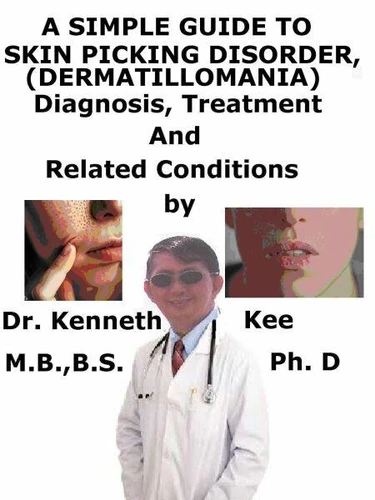
A Simple Guide to Skin Picking Disorder, (Dermatillomania) Diagnosis, Treatment and Related Conditions
Par :Formats :
Disponible dans votre compte client Decitre ou Furet du Nord dès validation de votre commande. Le format ePub est :
- Compatible avec une lecture sur My Vivlio (smartphone, tablette, ordinateur)
- Compatible avec une lecture sur liseuses Vivlio
- Pour les liseuses autres que Vivlio, vous devez utiliser le logiciel Adobe Digital Edition. Non compatible avec la lecture sur les liseuses Kindle, Remarkable et Sony
 , qui est-ce ?
Notre partenaire de plateforme de lecture numérique où vous retrouverez l'ensemble de vos ebooks gratuitement
Pour en savoir plus sur nos ebooks, consultez notre aide en ligne ici
C'est si simple ! Lisez votre ebook avec l'app Vivlio sur votre tablette, mobile ou ordinateur :

- FormatePub
- ISBN8215981689
- EAN9798215981689
- Date de parution14/06/2023
- Protection num.pas de protection
- Infos supplémentairesepub
- ÉditeurWMG Publishing
Résumé
This book describes Skin Picking Disorder, Diagnosis and Treatment and Related DiseasesDermatillomania, also known as excoriation disorder or skin picking disorder, is a psychological disorder characterized by the repetitive and compulsive picking, scratching, or digging into one's own skin, often resulting in skin lesions, wounds and tissue damage. It is classified as an impulse control disorder and is closely related to obsessive-compulsive disorder (OCD).
People with dermatillomania often feel a strong urge or irresistible impulse to pick at their skin, which can be triggered by various factors such as anxiety, boredom, stress, or perceived imperfections on the skin. The picking behavior normally provides temporary relief or gratification but it can lead to physical harm, scarring, infections, and emotional distress. Peeling, injured or ulcerated skin on the lips can happen with dermatillomania.
Lip injury due to the picking or biting of the lips can be due to dermatillomania. Also known as excoriation disorder or skin-picking disorder, this disorder falls under the category of obsessive-compulsive disorders (OCDs). When it leads to significant scarring and injuries, this disorder can severely affect a person's mental health, well-being and quality of life. This disorder gets its name from 3 Greek words:Derma: skin.
Tillo: pulling (or picking). Mania: excessive behavior or activity. Dermatillomania is an uncommon disorder, with an estimated 2% of people having it at any time and up to 5.4% of people having this disorder at some point in their life. Females are also more prone to seek treatment for this disorder. Dermatillomania normally begins during the puberty years but can happen at any age. Dermatillomania is also more prone to occur in people who have "precipitating" disorders such as acne or eczema.
There is a combination of genetic, environmental, and neurobiological factors that play a part in causing skin-picking disorder. Skin picking disorder may be linked with emotional distress, anxiety, depression, or other mental health disorders. The main symptom of dermatillomania is the irresistible impulse or urge to pick at the skin. The act of skin-picking may be reported as:Scratching. Digging.
And involve the use of fingernails and fingertips, teeth, tweezers or pinsDiagnosing this disorder requires meeting all 5 criteria:Skin picking that is continuing or repeated. Multiple attempts to stop skin pickingNegative impact on various aspects of the life because of shame, embarrassment or other similar emotions. Skin picking behavior does not happen due to any other medical disorder such as scabiesThe skin picking behavior is not due to another mental health disorder such as body dysmorphic disorderTreatment for dermatillomania normally involves a combination of therapies such as cognitive-behavioral therapy (CBT) and medicines.
Psychotherapy can treat this disorder in different ways, depending on the method used. Habit reversal therapy. Group therapy and peer support. Cognitive behavioral therapy (CBT). Acceptance and commitment therapy. The most frequent medicines to help treat this disorder are:Antidepressants. Anticonvulsants. Antipsychotics. Nutraceuticals. Persons can learn techniques to manage the urge to pick such as:Keeping a skin picking diary to track triggers and patterns, Finding healthy distractions, Maintaining a skincare routineUsing barrier methods (such as gloves or bandages) to prevent picking.
TABLE OF CONTENTIntroductionChapter 1 Skin Picking DisorderChapter 2 CauseChapter 3 SymptomsChapter 4 DiagnosisChapter 5 TreatmentChapter 6 PrognosisChapter 7 P...
People with dermatillomania often feel a strong urge or irresistible impulse to pick at their skin, which can be triggered by various factors such as anxiety, boredom, stress, or perceived imperfections on the skin. The picking behavior normally provides temporary relief or gratification but it can lead to physical harm, scarring, infections, and emotional distress. Peeling, injured or ulcerated skin on the lips can happen with dermatillomania.
Lip injury due to the picking or biting of the lips can be due to dermatillomania. Also known as excoriation disorder or skin-picking disorder, this disorder falls under the category of obsessive-compulsive disorders (OCDs). When it leads to significant scarring and injuries, this disorder can severely affect a person's mental health, well-being and quality of life. This disorder gets its name from 3 Greek words:Derma: skin.
Tillo: pulling (or picking). Mania: excessive behavior or activity. Dermatillomania is an uncommon disorder, with an estimated 2% of people having it at any time and up to 5.4% of people having this disorder at some point in their life. Females are also more prone to seek treatment for this disorder. Dermatillomania normally begins during the puberty years but can happen at any age. Dermatillomania is also more prone to occur in people who have "precipitating" disorders such as acne or eczema.
There is a combination of genetic, environmental, and neurobiological factors that play a part in causing skin-picking disorder. Skin picking disorder may be linked with emotional distress, anxiety, depression, or other mental health disorders. The main symptom of dermatillomania is the irresistible impulse or urge to pick at the skin. The act of skin-picking may be reported as:Scratching. Digging.
And involve the use of fingernails and fingertips, teeth, tweezers or pinsDiagnosing this disorder requires meeting all 5 criteria:Skin picking that is continuing or repeated. Multiple attempts to stop skin pickingNegative impact on various aspects of the life because of shame, embarrassment or other similar emotions. Skin picking behavior does not happen due to any other medical disorder such as scabiesThe skin picking behavior is not due to another mental health disorder such as body dysmorphic disorderTreatment for dermatillomania normally involves a combination of therapies such as cognitive-behavioral therapy (CBT) and medicines.
Psychotherapy can treat this disorder in different ways, depending on the method used. Habit reversal therapy. Group therapy and peer support. Cognitive behavioral therapy (CBT). Acceptance and commitment therapy. The most frequent medicines to help treat this disorder are:Antidepressants. Anticonvulsants. Antipsychotics. Nutraceuticals. Persons can learn techniques to manage the urge to pick such as:Keeping a skin picking diary to track triggers and patterns, Finding healthy distractions, Maintaining a skincare routineUsing barrier methods (such as gloves or bandages) to prevent picking.
TABLE OF CONTENTIntroductionChapter 1 Skin Picking DisorderChapter 2 CauseChapter 3 SymptomsChapter 4 DiagnosisChapter 5 TreatmentChapter 6 PrognosisChapter 7 P...
A propos de Kenneth Kee



4,49 €