SOLDES
Jusqu'à -70% sur une sélection d'articles*

A Simple Guide to Skeletal Muscle Cramps, Diagnosis, Treatment and Related Conditions
Par :Formats :
Disponible dans votre compte client Decitre ou Furet du Nord dès validation de votre commande. Le format ePub est :
- Compatible avec une lecture sur My Vivlio (smartphone, tablette, ordinateur)
- Compatible avec une lecture sur liseuses Vivlio
- Pour les liseuses autres que Vivlio, vous devez utiliser le logiciel Adobe Digital Edition. Non compatible avec la lecture sur les liseuses Kindle, Remarkable et Sony
 , qui est-ce ?
Notre partenaire de plateforme de lecture numérique où vous retrouverez l'ensemble de vos ebooks gratuitement
Pour en savoir plus sur nos ebooks, consultez notre aide en ligne ici
C'est si simple ! Lisez votre ebook avec l'app Vivlio sur votre tablette, mobile ou ordinateur :

- FormatePub
- ISBN8215490556
- EAN9798215490556
- Date de parution28/01/2023
- Protection num.pas de protection
- Infos supplémentairesepub
- ÉditeurWMG Publishing
Résumé
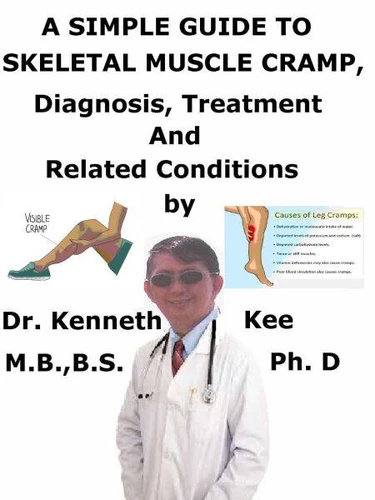
This book describes Skeletal Muscle Cramps, Diagnosis and Treatment and Related DiseasesSkeletal muscle cramps are unpleasant, often painful sensations produced by muscle contraction or over-shortening. Frequent causes of skeletal muscle cramps can be muscle fatigue, low sodium, low potassium, and low magnesiumThe precise cause of these cramps is not known. Possible contributing factors are dehydration, depleted carbohydrates, low levels of certain minerals (magnesium, potassium, calcium, and sodium), vitamin deficiencies and decreased blood flow through muscles attendant in prolonged sitting or lying down.
Medical disorders linked with muscle cramps are cardiovascular disease, cirrhosis, pregnancy, and lumbar canal stenosis. Different medicines may produce muscle cramps:Diuretics, especially potassium sparingLong acting adrenergic beta-agonists (LABAs)Hydroxymethylglutaryl-coenzyme A reductase inhibitors (HMG-CoA inhibitors or statins)High blood pressure drugsStatins to treat high cholesterolDrugs for chronic obstructive pulmonary diseaseThe person is more likely to have a muscle cramp if the person:Is 50 or olderWorks the muscles too muchSits too long without movingDoes not drink enough waterStands too long on hard surfacesOther medical disorders that can also raise the chances of muscle cramps are:DiabetesNeurological disorders like Parkinson's diseaseAlcohol abuseSome hormone disorders, such as hypothyroidismToo much or not enough of certain chemicals in the body, such as calcium, potassium, and magnesiumBlood flow problemsNerve damageSkeletal muscles that produce skeletal muscle cramps the most frequently are the calves, thighs, and arches of the foot.
This kind of cramp is linked with strenuous activity and can be intensely painful though skeletal cramps can happen while relaxing. Around 40% of people who develop skeletal cramps tend to endure extreme muscle pain, and may be unable to use the affected limb. The disorder may require seven days for the cramped muscle to return to a pain-free state. Most skeletal muscle cramps develop in the leg muscles, mostly in the calf.
Nocturnal leg cramps are a tight, knotted feeling in the legs that happens at night. They can persist several seconds to several minutes. If the cramp is severe, the muscle may be sore for days. In addition to the sudden, sharp pain, the person may also feel or notice a hard lump of muscle tissue beneath the skin. Skeletal muscle cramps normally disappear and are seldom serious enough to need medical care.
A painful muscle cramp can produce much distress and anxiety. The person can normally treat muscle cramps with self-care measures such as stretching and drinking plenty of fluids such as water. Gentle stretching and massage, putting some pressure on the affected leg muscle by walking or standing, or taking a warm bath or shower may assist in ending the cramp. The person can use a warm towel or heating pad on tense or tight muscles.
Quinine is likely to be effective but due to side effects its use should only be indicated if other treatments have failed and in light of its side effects. Doctors and the FDA no longer advocate it since it can also produce severe bleeding and disorders with the heart rhythm. Vitamin B complex, mineral and salt supplements, naftidrofuryl, lidocaine, and calcium channel blockers such as diltiazem may be effective treatments for muscle cramps.
For recurrent cramps that disturb the sleep, a muscle relaxant can be given. TABLE OF CONTENTIntroductionChapter 1 Skeletal Muscle CrampsChapter 2 CausesChapter 3 SymptomsChapter 4 DiagnosisChapter 5 TreatmentC...
Medical disorders linked with muscle cramps are cardiovascular disease, cirrhosis, pregnancy, and lumbar canal stenosis. Different medicines may produce muscle cramps:Diuretics, especially potassium sparingLong acting adrenergic beta-agonists (LABAs)Hydroxymethylglutaryl-coenzyme A reductase inhibitors (HMG-CoA inhibitors or statins)High blood pressure drugsStatins to treat high cholesterolDrugs for chronic obstructive pulmonary diseaseThe person is more likely to have a muscle cramp if the person:Is 50 or olderWorks the muscles too muchSits too long without movingDoes not drink enough waterStands too long on hard surfacesOther medical disorders that can also raise the chances of muscle cramps are:DiabetesNeurological disorders like Parkinson's diseaseAlcohol abuseSome hormone disorders, such as hypothyroidismToo much or not enough of certain chemicals in the body, such as calcium, potassium, and magnesiumBlood flow problemsNerve damageSkeletal muscles that produce skeletal muscle cramps the most frequently are the calves, thighs, and arches of the foot.
This kind of cramp is linked with strenuous activity and can be intensely painful though skeletal cramps can happen while relaxing. Around 40% of people who develop skeletal cramps tend to endure extreme muscle pain, and may be unable to use the affected limb. The disorder may require seven days for the cramped muscle to return to a pain-free state. Most skeletal muscle cramps develop in the leg muscles, mostly in the calf.
Nocturnal leg cramps are a tight, knotted feeling in the legs that happens at night. They can persist several seconds to several minutes. If the cramp is severe, the muscle may be sore for days. In addition to the sudden, sharp pain, the person may also feel or notice a hard lump of muscle tissue beneath the skin. Skeletal muscle cramps normally disappear and are seldom serious enough to need medical care.
A painful muscle cramp can produce much distress and anxiety. The person can normally treat muscle cramps with self-care measures such as stretching and drinking plenty of fluids such as water. Gentle stretching and massage, putting some pressure on the affected leg muscle by walking or standing, or taking a warm bath or shower may assist in ending the cramp. The person can use a warm towel or heating pad on tense or tight muscles.
Quinine is likely to be effective but due to side effects its use should only be indicated if other treatments have failed and in light of its side effects. Doctors and the FDA no longer advocate it since it can also produce severe bleeding and disorders with the heart rhythm. Vitamin B complex, mineral and salt supplements, naftidrofuryl, lidocaine, and calcium channel blockers such as diltiazem may be effective treatments for muscle cramps.
For recurrent cramps that disturb the sleep, a muscle relaxant can be given. TABLE OF CONTENTIntroductionChapter 1 Skeletal Muscle CrampsChapter 2 CausesChapter 3 SymptomsChapter 4 DiagnosisChapter 5 TreatmentC...
A propos de Kenneth Kee

4,49 €