SOLDES
Jusqu'à -70% sur une sélection d'articles*

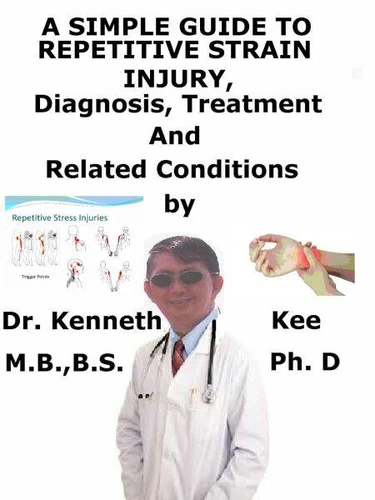
A Simple Guide to Repetitive Strain Injury, Diagnosis, Treatment and Related Conditions
Par :Formats :
Disponible dans votre compte client Decitre ou Furet du Nord dès validation de votre commande. Le format ePub est :
- Compatible avec une lecture sur My Vivlio (smartphone, tablette, ordinateur)
- Compatible avec une lecture sur liseuses Vivlio
- Pour les liseuses autres que Vivlio, vous devez utiliser le logiciel Adobe Digital Edition. Non compatible avec la lecture sur les liseuses Kindle, Remarkable et Sony
 , qui est-ce ?
Notre partenaire de plateforme de lecture numérique où vous retrouverez l'ensemble de vos ebooks gratuitement
Pour en savoir plus sur nos ebooks, consultez notre aide en ligne ici
C'est si simple ! Lisez votre ebook avec l'app Vivlio sur votre tablette, mobile ou ordinateur :

- FormatePub
- ISBN8215743171
- EAN9798215743171
- Date de parution17/04/2023
- Protection num.pas de protection
- Infos supplémentairesepub
- ÉditeurWMG Publishing
Résumé
This book describes Repetitive Strain Injury, Diagnosis and Treatment and Related DiseasesRepetitive strain injury (RSI), also termed Repetitive stress injury, is an injury that causes painful damage to muscles, nerves and tendons through repetitive movements and overuse. The disorder mostly involves parts of the upper body, such as the forearm, elbow, wrist, hands, neck and shoulders, in jobs (typing) and sports that require repetitive motions (golf).
There are 2 types of RSI depending on the symptoms:Type 1 RSI - This is when a doctor can diagnose a recognized medical disorder from the symptoms. Type 1 RSI is a musculoskeletal disorder. Symptoms normally involve swelling and inflammation of specific muscles or tendons. Type 2 RSI - This is when a doctor cannot diagnose a medical disorder from the symptoms. This is normally due to lack of obvious symptoms, apart from pain.
Type 2 RSI is also termed non-specific pain syndrome or diffuse RSI. Type 2 RSI has a variety of causes such as nerve damage resulting from work activities. Repetitive strain injury is normally linked with doing a particular activity repeatedly or for a long period of time. RSI often happens in people who work with computers or perform repetitive manual work. Certain activities are believed to elevate the risk of RSI such as:Doing an activity for a long time without rest (prolonged periods)Doing an activity that requires force such as lifting heavy objectsPoor posture or activities that force the person to work in an uncomfortable positionCold temperaturesVibrating equipmentStress - Increased psychological stress has been shown to worsen RSIOveruse of a particular muscle or group of musclesNon-ergonomically designed workspaceDirect pressure to particular areasFatigueThe general symptoms of RSI are:Pain and tenderness in the involved muscle or jointThrobbing or pulsating sensation in the involved regionTingling, especially the hand or armLoss of strength and sensationCrampStiffnessDoctors will always perform a physical examination and medical history evaluation, to see if the signs and symptoms can be linked to a specific repetitive activity.
Radiological imaging studies may be used to visualize bony avulsions. MRI has been quite effective in revealing tendon, ligament, and muscle injuries. Electro-diagnostic testing can provide evidence of the site and severity of the nerve injury. The purpose of treatment is to relieve pain and enable the strength and mobility to return. If the person is diagnosed with repetitive strain injury (RSI), the doctor will probably advise the person to temporarily stop doing the task or activity that is causing the symptoms.
Applying ice (or a damp heated towel) to the affected area can help decrease pain and swellingNon-steroidal anti-inflammatory oral medicines, such as indomethacin and naproxen, may be given to help reduce the pain and swelling of Repetitive Stress Injury. Some persons may require physical therapy exercises. The purposes of these physical therapy exercises are to strengthen the affected muscles, improve flexibility and reduce stiffness.
It may take several months for a person to finish the physical therapy program and recover full strength and functionalitySurgery is a treatment, if non-surgical treatment methods for treating Repetitive Stress Injury are unsuccessful. TABLE OF CONTENTIntroductionChapter 1 Repetitive Strain InjuryChapter 2 CausesChapter 3 SymptomsChapter 4 DiagnosisChapter 5 TreatmentChapter 6 PrognosisChapter 7 Writer's CrampChapter 8 Carpal Tunnel SyndromeEpilogue
There are 2 types of RSI depending on the symptoms:Type 1 RSI - This is when a doctor can diagnose a recognized medical disorder from the symptoms. Type 1 RSI is a musculoskeletal disorder. Symptoms normally involve swelling and inflammation of specific muscles or tendons. Type 2 RSI - This is when a doctor cannot diagnose a medical disorder from the symptoms. This is normally due to lack of obvious symptoms, apart from pain.
Type 2 RSI is also termed non-specific pain syndrome or diffuse RSI. Type 2 RSI has a variety of causes such as nerve damage resulting from work activities. Repetitive strain injury is normally linked with doing a particular activity repeatedly or for a long period of time. RSI often happens in people who work with computers or perform repetitive manual work. Certain activities are believed to elevate the risk of RSI such as:Doing an activity for a long time without rest (prolonged periods)Doing an activity that requires force such as lifting heavy objectsPoor posture or activities that force the person to work in an uncomfortable positionCold temperaturesVibrating equipmentStress - Increased psychological stress has been shown to worsen RSIOveruse of a particular muscle or group of musclesNon-ergonomically designed workspaceDirect pressure to particular areasFatigueThe general symptoms of RSI are:Pain and tenderness in the involved muscle or jointThrobbing or pulsating sensation in the involved regionTingling, especially the hand or armLoss of strength and sensationCrampStiffnessDoctors will always perform a physical examination and medical history evaluation, to see if the signs and symptoms can be linked to a specific repetitive activity.
Radiological imaging studies may be used to visualize bony avulsions. MRI has been quite effective in revealing tendon, ligament, and muscle injuries. Electro-diagnostic testing can provide evidence of the site and severity of the nerve injury. The purpose of treatment is to relieve pain and enable the strength and mobility to return. If the person is diagnosed with repetitive strain injury (RSI), the doctor will probably advise the person to temporarily stop doing the task or activity that is causing the symptoms.
Applying ice (or a damp heated towel) to the affected area can help decrease pain and swellingNon-steroidal anti-inflammatory oral medicines, such as indomethacin and naproxen, may be given to help reduce the pain and swelling of Repetitive Stress Injury. Some persons may require physical therapy exercises. The purposes of these physical therapy exercises are to strengthen the affected muscles, improve flexibility and reduce stiffness.
It may take several months for a person to finish the physical therapy program and recover full strength and functionalitySurgery is a treatment, if non-surgical treatment methods for treating Repetitive Stress Injury are unsuccessful. TABLE OF CONTENTIntroductionChapter 1 Repetitive Strain InjuryChapter 2 CausesChapter 3 SymptomsChapter 4 DiagnosisChapter 5 TreatmentChapter 6 PrognosisChapter 7 Writer's CrampChapter 8 Carpal Tunnel SyndromeEpilogue
A propos de Kenneth Kee

4,49 €